In Finland, as in the rest of the European Union, drone flying is governed by a common EU law that aims to ensure flight safety, respect people's privacy and enable the growth of the drone industry. In Finland, the Finnish Transport and Communications Agency (Traficom) monitors compliance with the legislation.
This guide is based on the database maintained by Traficom Droneinfo.fi-website.
Before you fly: operator and remote pilot responsibilities
The legislation distinguishes between two roles: the drone operator and the remote pilot.
Drone operator: Usually the owner of the drone (individual or company). The operator is responsible for register at in the register maintained by Traficom and ensure that the operation is insured if the equipment weighs more than 20 kg. The operator affixes its registration number (operator identification number) to all its drones.
Remote pilot: A person who actually flies a drone. The remote pilot is responsible for take the online theory test and familiarise yourself with the restrictions of the airspace.
One person can be both, which is typical of amateur activities.
Mandatory measures for almost everyone
Register as an operator: Almost all drone operators must register. The registration requirement applies to anyone flying a drone weighing more than 250 grams or any drone with a camera. Registration takes place On Droneinfo.fi and there is a charge for it.
Take the online theory test: The remote tutor must pass the free online theory exam (A1/A3 qualification). The test tests basic knowledge of aviation rules, safe flying and privacy.
Activity categories: where and how do you get to fly?
The arrest is divided into three categories according to the level of risk. The majority of recreational and professional parachuting falls under ”To the ”Open" category.
1. Open category (Open)
The open category is intended for low-risk flying. Its general rules are:
Maximum take-off height 120 metres above ground or water level.
The drone must be held at all times in direct line of sight (VLOS, Visual Line of Sight).
Flying over crowds is forbidden.
Transporting dangerous goods and dropping objects is prohibited.
Only drones weighing less than 25 kg are allowed to fly.
The open category is divided into three sub-categories (A1, A2, A3) based on the weight of the drone and the C-rating.
Subcategory A1: Fly close to people
In this category you may fly in the vicinity of people who are not part of the flight, but not directly above them. Unintentional overflight must be minimised.
Drones in use: C0 or C1 drones.
Subcategory A2: Fly closer to people
This category gives more freedom to fly close to people, but requires additional qualifications.
Requirements: In addition to the A1/A3 test, the remote control driver must have passed the A2 additional driving test supervised by Traficom.
Drones in use: Only C2 drones.
Safety distance: Fly at least 30 metres away from people (or 5 metres if the drone is in low-speed mode).
Subcategory A3: Fly away from people
This is the most limited subcategory, intended for heavier drones.
Requirements: No outside people are allowed in the pick-up area. In addition, at least 150 m safety distance residential, commercial, industrial and recreational areas.
Drones in use: Class C3 and C4 drones and old, unclassified C drones weighing more than 250 g.
Drone C classification and example equipment
Drones are divided into C classes (C0-C4) based on their technical characteristics. This marking can be found on the packaging of the drone and on the device itself.
Class C0 (less than 250 g)
Description: The lightest drones. Does not require an online theory test if the drone does not have a camera and is defined as a toy. If there is a camera, as in the example product, a test is required.
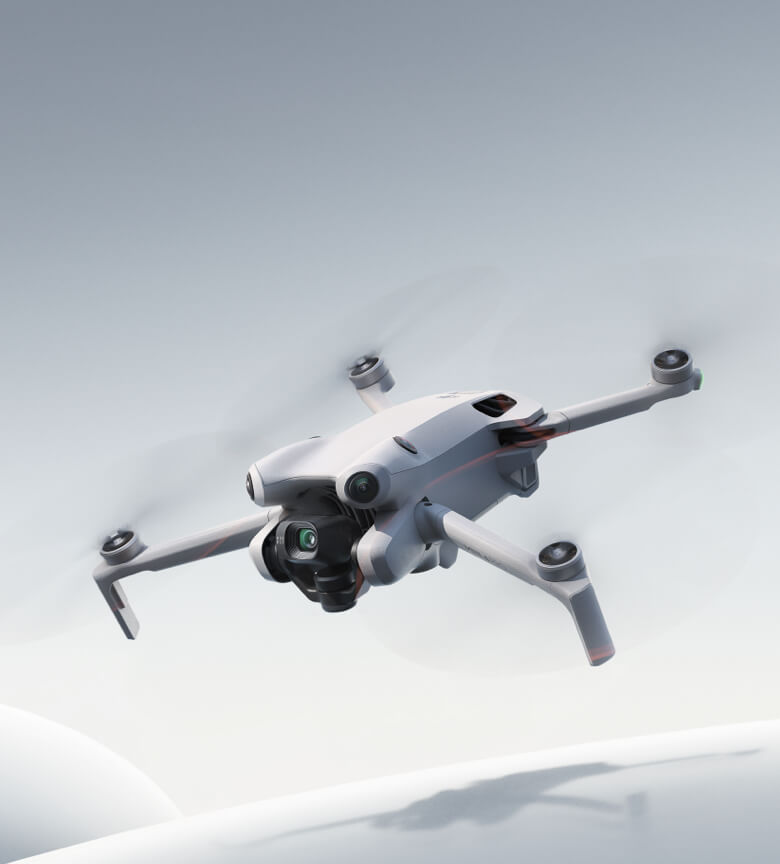
Telegraph category: A1
Example product (Fotomonza):DJI Mini 4 Pro. It weighs less than 249 g, making it very easy to use and lightweight from a regulatory point of view.
Class C1 (under 900 g)
Description: Equipped with remote detection and Geo-awareness, which warns of airspace restrictions.
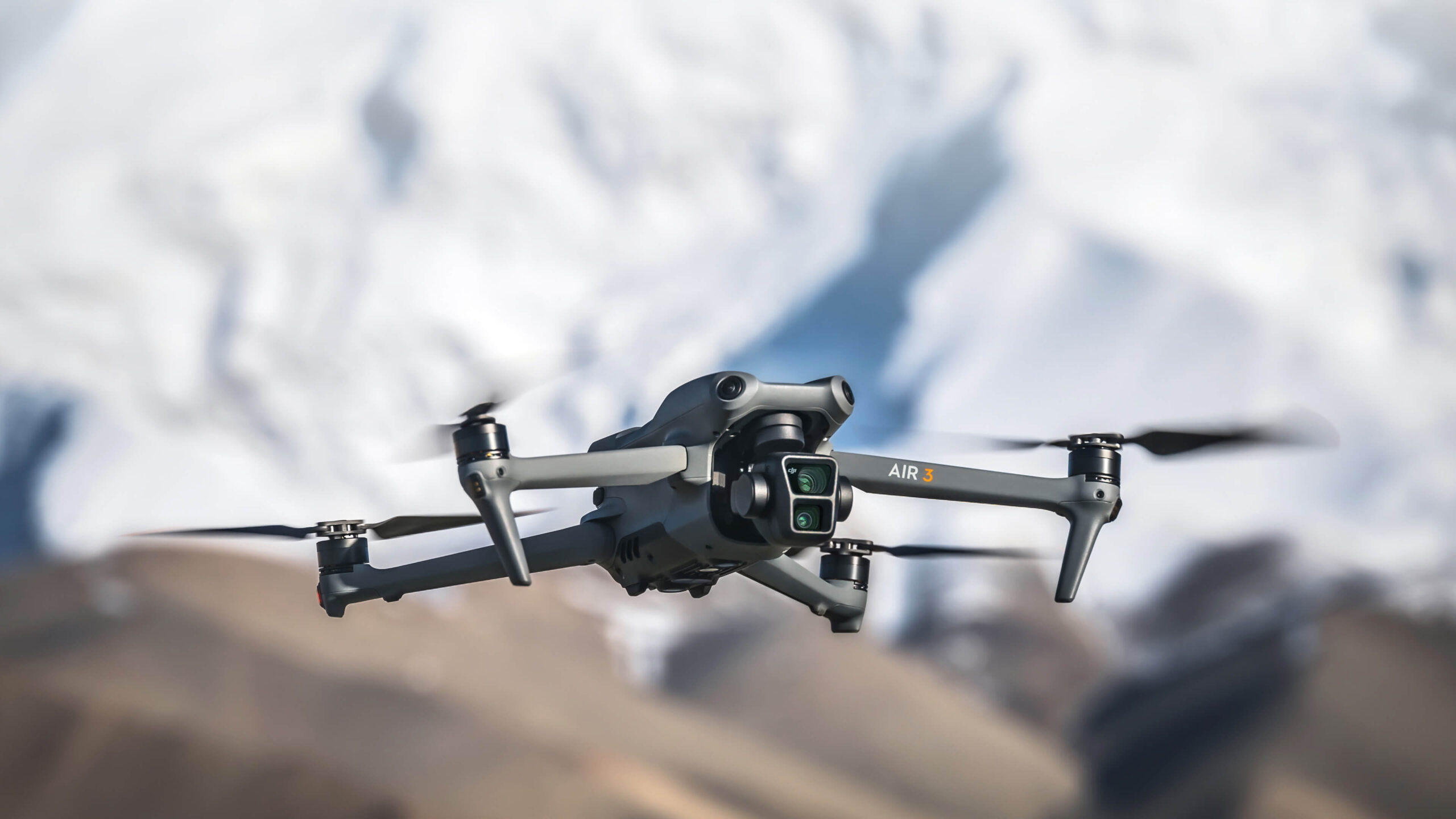
Telegraph category: A1
Example product (Fotomonza):DJI Air 3. This drone offers more professional camera features, but is still flyable under A1 category rules.
Category C2 (under 4 kg)
Description: Heavier and more powerful equipment that allows flying closer to people, as long as the pilot has passed the A2 additional theory test.
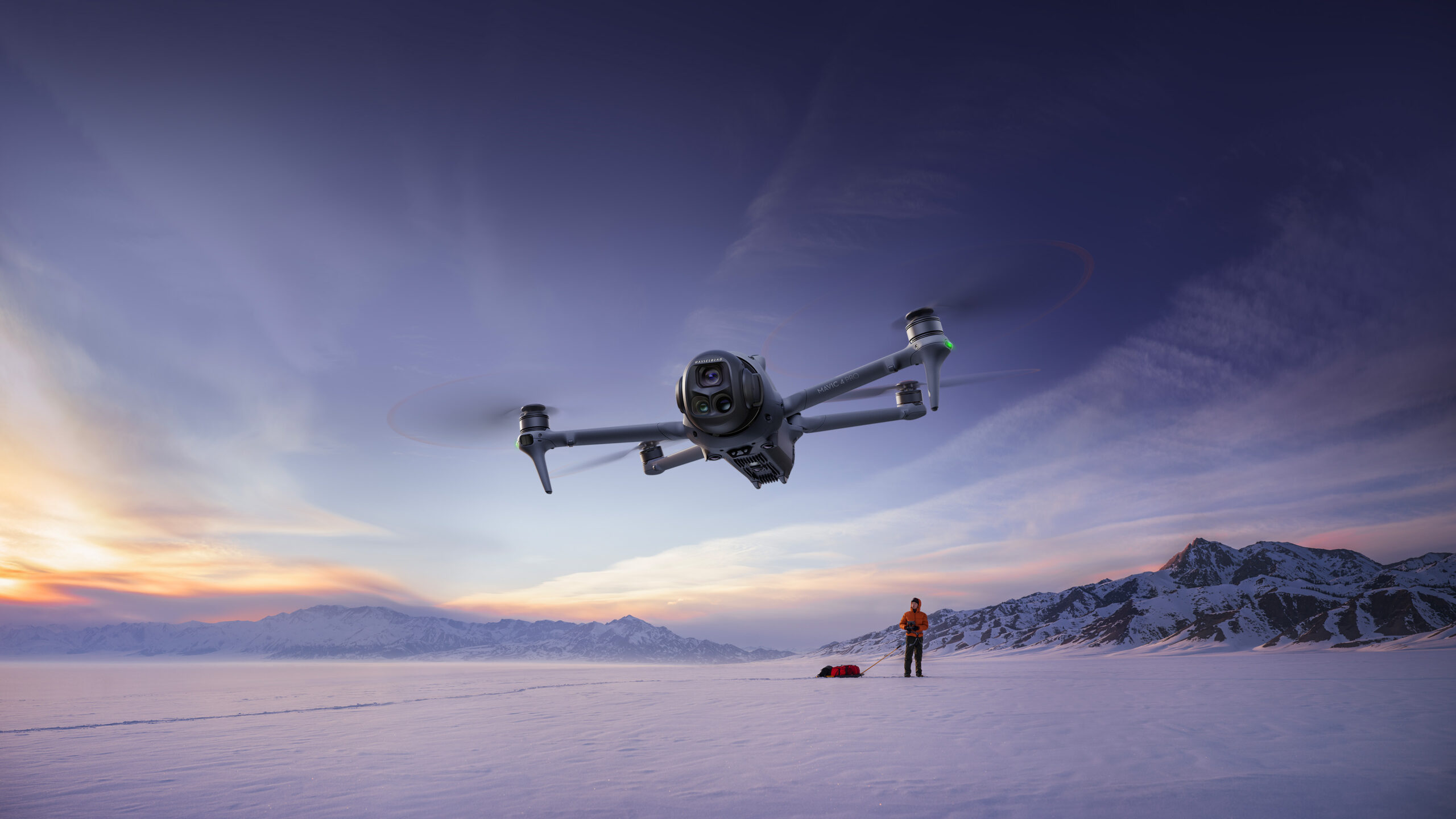
Telegraph category: A2 (A2 test) or A3 (A1/A3 basic test).
Example product (Fotomonza):DJI Mavic 4 Pro. This is the model preferred by professionals, which is C2 in weight and requires an A2 qualification if it is to benefit from the A2 rules.
Category C3 and C4 (under 25 kg)
Description: Largest drones in the open category. They have the strictest restrictions.
Telegraph category: A3 only (away from people and settlements).
Example products: These are less common and often have special uses (e.g. agriculture and forestry).
Old drones without C marking
Non-C marked drones (”legacy drones”) placed on the market before 1 January 2024 will follow the transitional rules:
Weighing less than 250 g: Fly according to the rules for category A1.
250 g - 25 kg: May only be flown in category A3 (away from people and settlements).
2. & 3. Specific and Certified category
If the flight fails within the rules of the Open category, the flight is moved to the higher risk categories.
Specific category (Specific): The operation requires an operating licence from Traficom or compliance with a published standard traffic service plan (STS). Examples:
Flying at altitudes above 120 metres.
Flying without a direct line of sight (BVLOS).
Use of drones for spraying or dropping objects.
Certified category (Certified): A future category for very high-risk operations, such as unmanned cargo or passenger transport in cities.
The most important rules to remember for the pilot
Register and take the test. This is the basis for everything.
Know your drones. Know its weight and C-rating so you know where you're getting flown.
Check the airspace restrictions. Use Droneinfo.fi website to check the no-fly zones before flying.
Respect your privacy. Do not photograph people without their permission in places where there is a legitimate expectation of privacy (e.g. homes, yards).
Fly safely. Keep your drone in sight, do not fly over crowds and keep to a maximum height of 120 metres.
Get insurance. Although it is only mandatory for drones over 20 kg, liability insurance is strongly recommended for all drone enthusiasts in case of potential damage.
This document is a summary. Always check the most up-to-date and official information at www.droneinfo.fi.