Kysyttävää? Soita meille 05 - 375 3220
Free delivery for orders over 1000 € / 30 days Return policy
Kysyttävää? Soita meille 05 - 375 3220
Free delivery for orders over 1000 € / 30 days Return policy
Successful wedding photographer Jaakko Perälä's review of photography and equipment, and the mistakes he would have liked to avoid.

I first became interested in photography at the turn of the millennium, but I bought my first camera, which was the original Fujifilm x100, until 2013. I've always been interested in the look of a camera, so the x100 series was a natural choice. It was a pleasure to carry around and I'm sure many people still praise its looks. Fujifilm's x100 cameras have a fixed focal length, which means that its lens is not interchangeable. For some, this is a minus, but especially if you are still learning the basics of photography, the fixed focal length teaches you the importance of composition.
My first interest was mainly in landscape and street photography. In 2014, my colleagues at work started telling me that I should study photography because I was carrying a camera everywhere. After a few coincidences, I ended up shooting my first wedding in 2014 and in 2015 I started my own business. Now a decade later, with over 200 wedding shoots behind me, photography has taken me from the busy streets of Paris to the Lofoten Islands in Norway and the Swiss Alps.
However, I learned the basics of photography mostly on my own and I feel that this has been a good thing in principle. Still, it's worth adding that I could have learned a lot faster about things like light, locations and how to try if I had had even more help. Here are six things I wish I had known when I started out in photography.
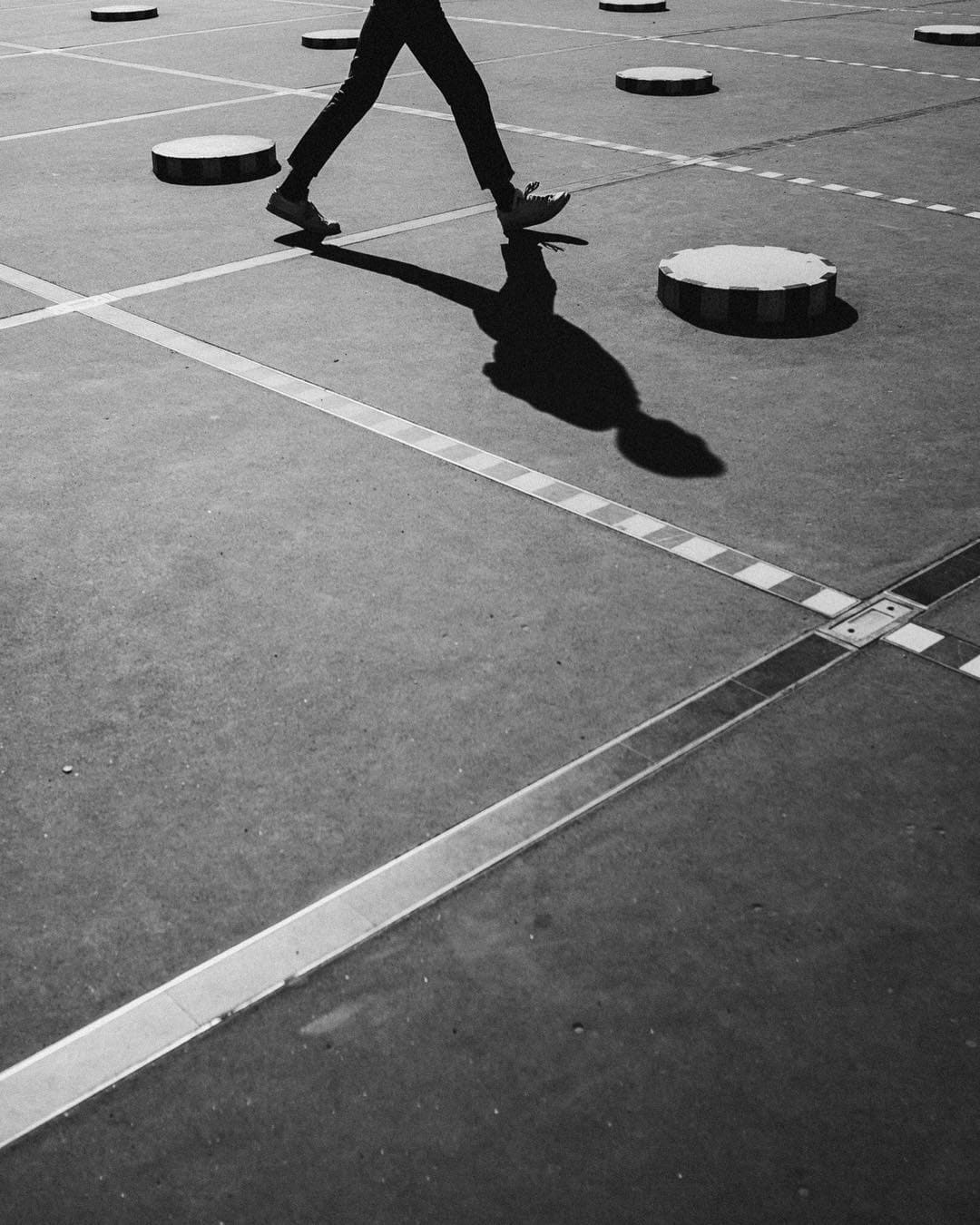

In photography, the light and the location are often more important than the camera itself. Good light sets the mood and highlights the best aspects of the subject, while an interesting location provides a visually captivating backdrop. When shooting in natural light, the best way to influence the quality of light is to choose a different time of day, but the best locations are often only found by physically looking for them. By understanding the importance of light and the environment, you can create compelling photographs even if you only have a basic camera or smartphone.
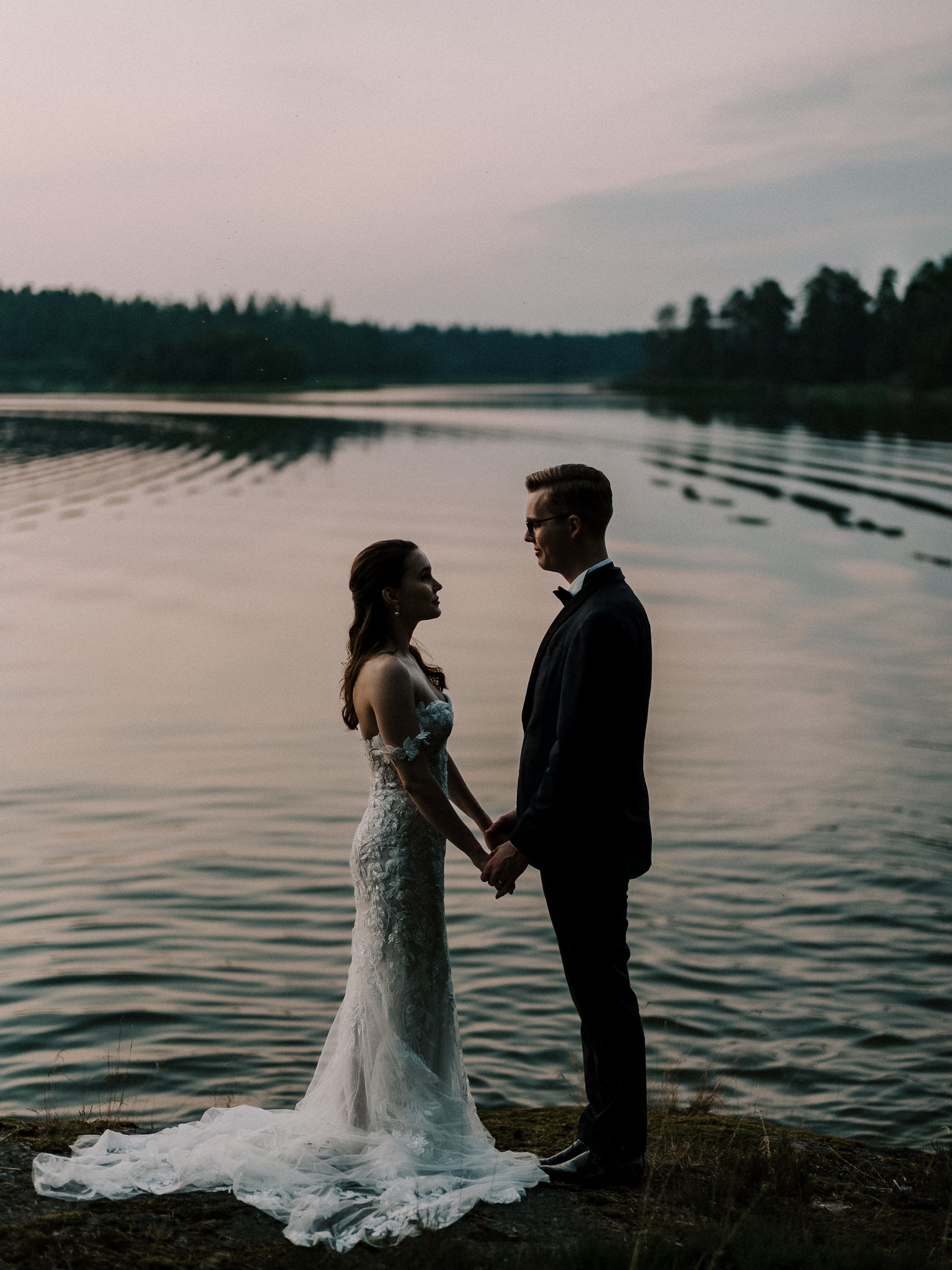
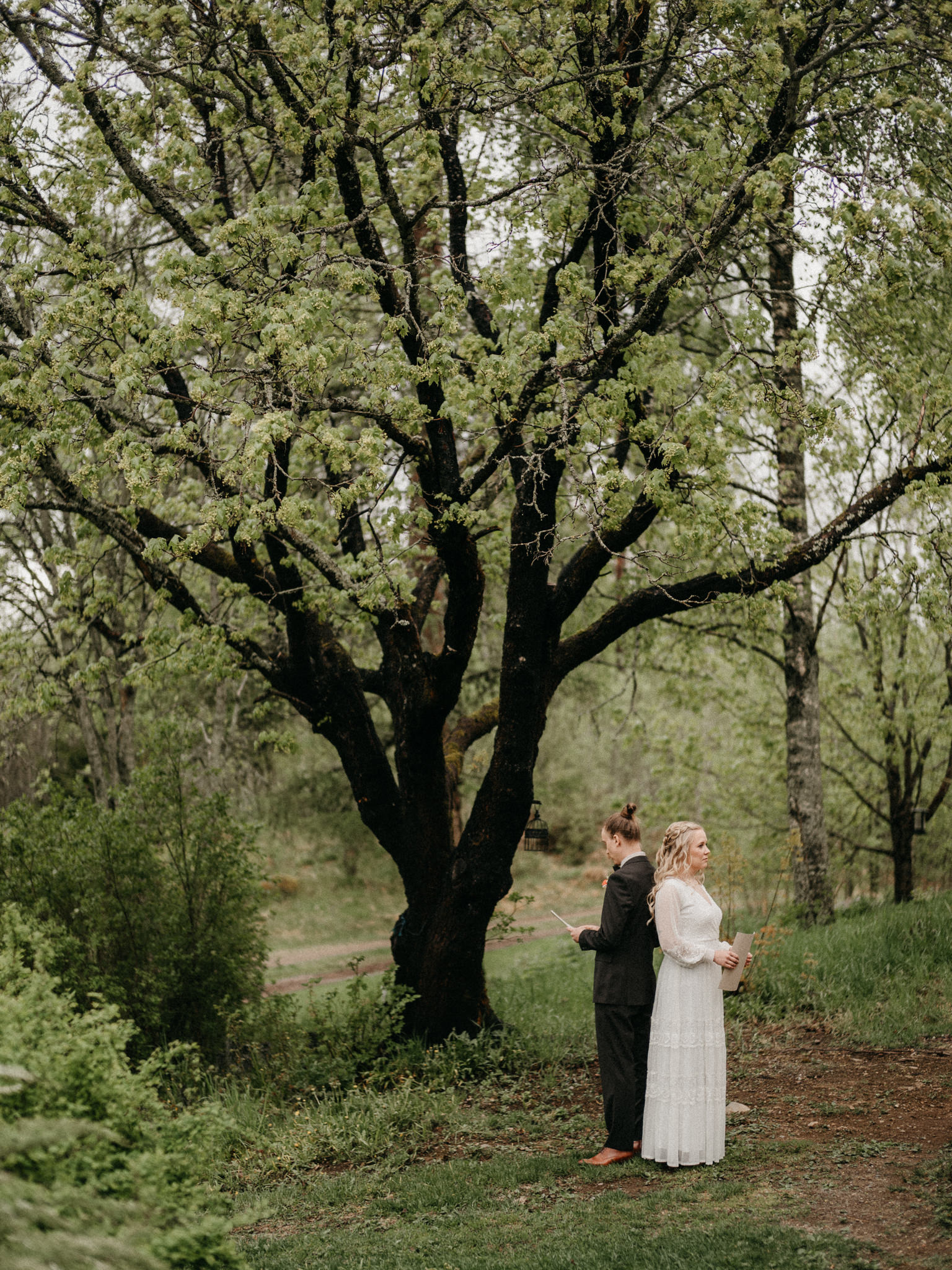
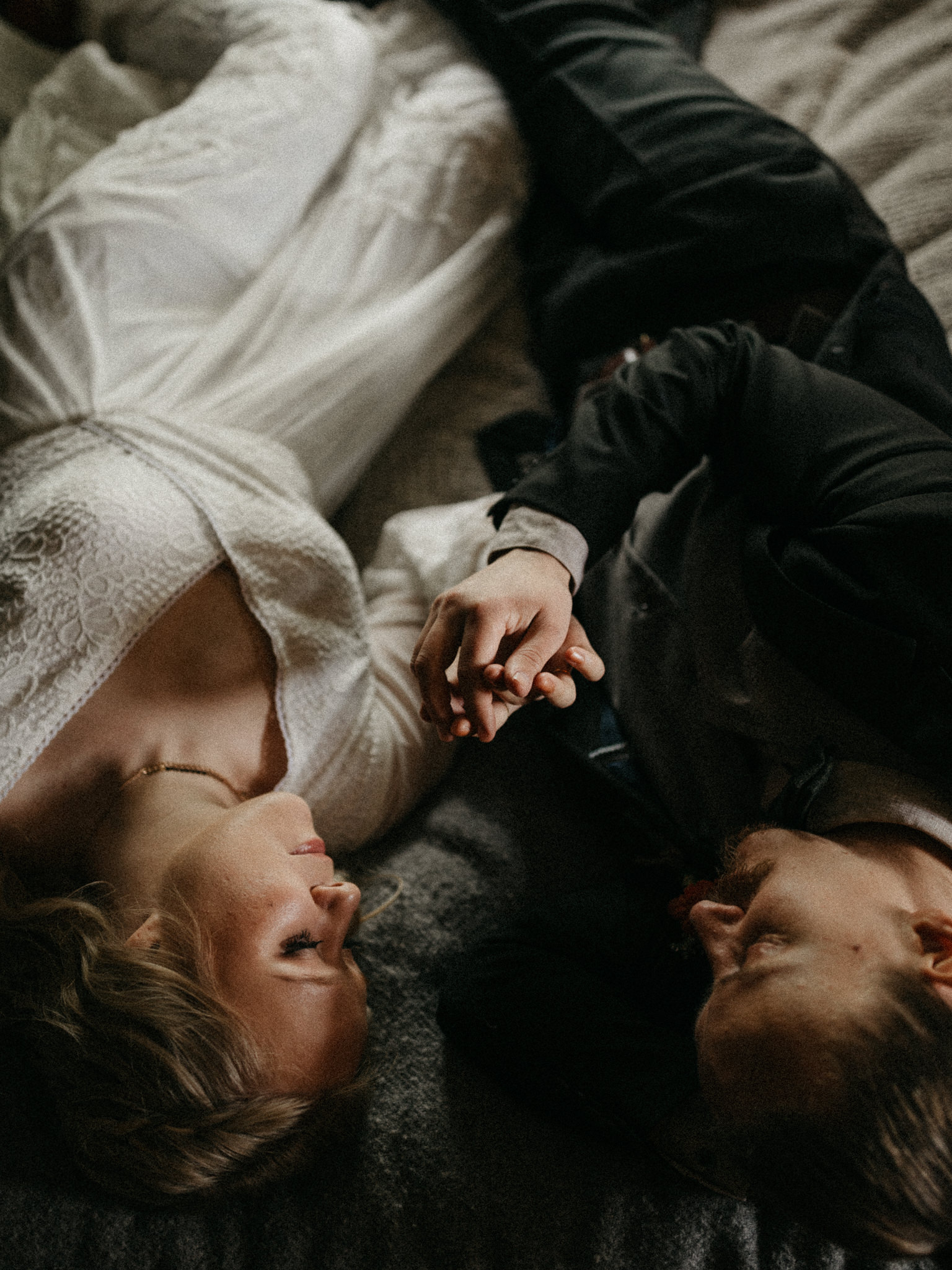
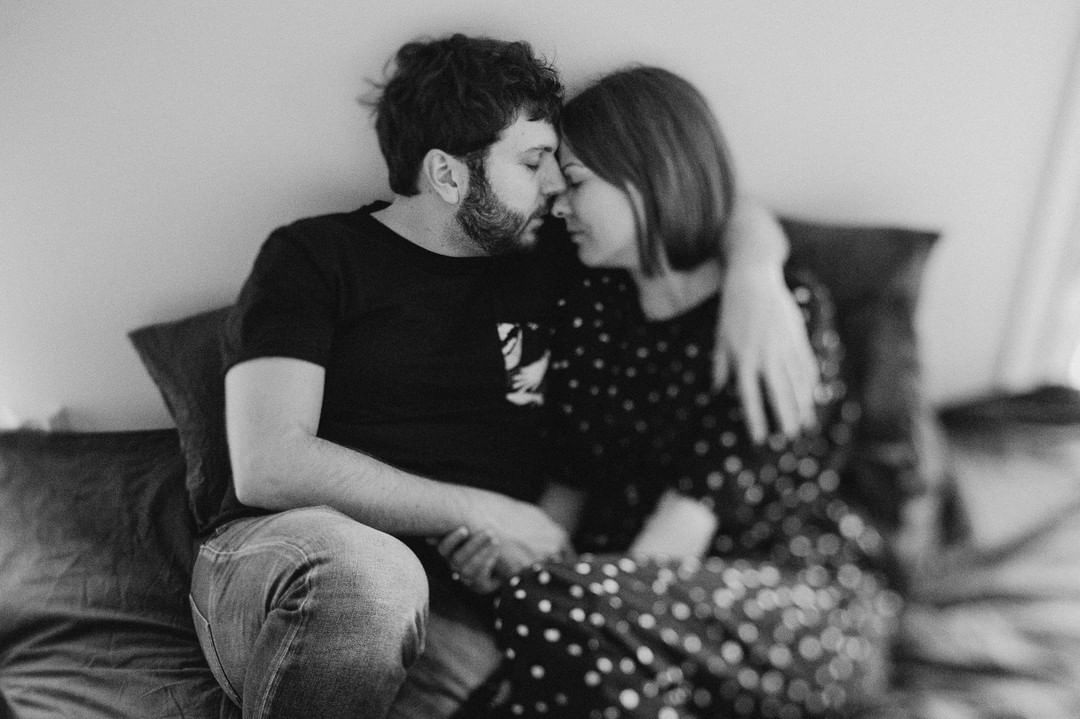
Pictures don't have to be perfect. In fact, I think that small ”mistakes” in pictures make them more real and at best they evoke emotions because of that. Whether the focus hits 100% or the shutter speed is perfect to stop the subject moving is not always important. Often, even imperfect images require technical skills, so it's good to know the basics of photography.
When choosing a camera, it's important to consider how it feels in your hand and whether it's the kind of camera you want to take off the shelf. I therefore recommend choosing a camera that inspires you to take it with you and use it. A camera that fits well in your hand and has intuitive functions will make shooting more enjoyable and facilitate the creative process.
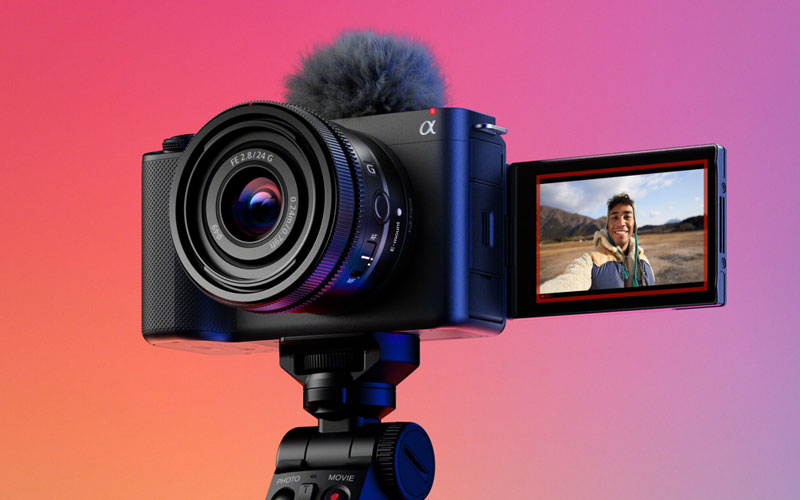
My personal favourites are Fujifilm, Leica and Canon cameras. Some favourites for a small but powerful camera are:
- Fujifilm x100/s/f/vi
- Leica M + Voigtländer 35mm f/2 Ultron II
- Canon EOS R + RF 28mm f/2.8 or RF 35mm f/1.8
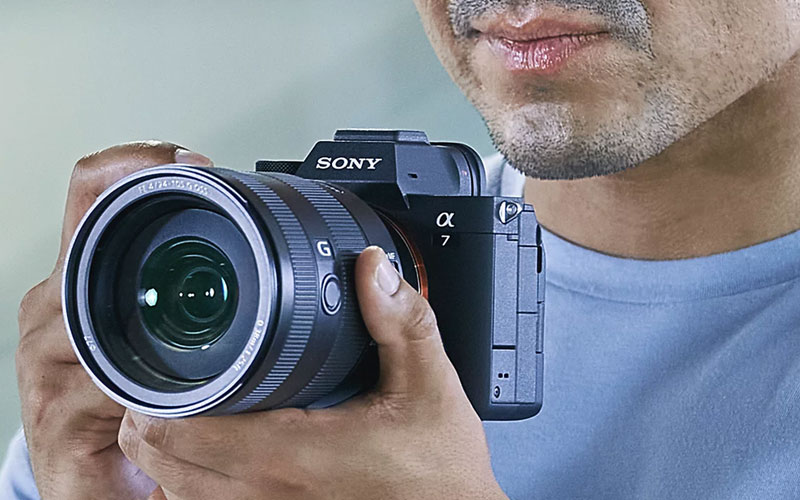
- Sony A7 series + Sony FE 35mm f/2.8
I've bought most of my cameras second-hand, so if you're buying a new camera, I recommend you also take a look at the the supply of used cameras.
If you want to turn photography into a profession, an active approach is the key to success. Don't wait for opportunities to come to you - create them yourself. If you have a vision or a specific subject you want to photograph, get out there and make plans to make it happen. A proactive attitude will help you stand out and achieve your goals faster.
For example, if you want to shoot a street scene, send a message to a street photographer, or if you want to shoot people, ask people to be your models. If you don't know where to start, send me a private message and I'll help you get started.
The client's experience of the photo is at least as important as the photos themselves. In my opinion, the customer experience is even more important than the photos, because the memories of the shooting will always come back to you when you look at the photos later. Good customer service, an understanding of the client's needs and the ability to communicate clearly are the cornerstones of a good customer experience. When clients feel valued and understood, they will return to you and recommend your services to others.
This is a point I cannot underline enough. In principle, we can learn anything just by doing. The more you can approach your own images from an analytical point of view - the more you learn to look at them differently. However, in my own experience, there is no substitute for personal feedback, an encouraging person who can immediately tell you things you haven't yet learned yourself. I myself had a mentor when I started and I have also had the opportunity to mentor others. Through mentoring, you can gain valuable tips and insights that you might not have thought of when you were studying yourself. A good mentor will not only teach you about technical photography, but will help you see the world in a new light.

The author of this article, Jaakko Perälä, helps plan and photograph elopement weddings in the Nordic countries.
Website: https://www.jaakkoperala.com
Instagram: https://www.instagram.com/japerala