
Kysyttävää? Soita meille 05 - 375 3220
Free delivery for orders over 1000 € / 30 days Return policy

Subtotal: 4807.50 €
Kysyttävää? Soita meille 05 - 375 3220
Free delivery for orders over 1000 € / 30 days Return policy
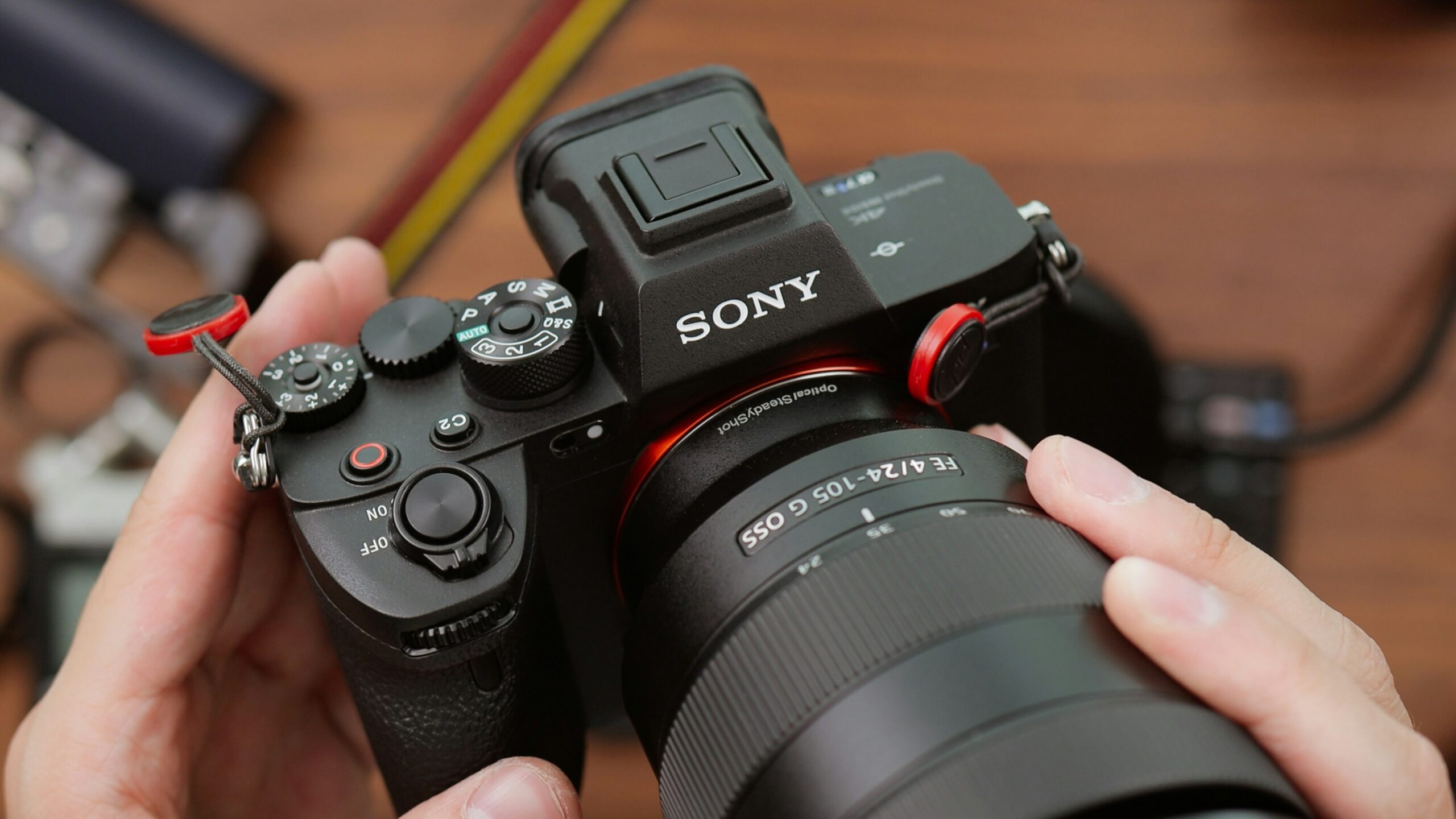
We'll clearly walk you through everything from choosing a system camera to the most important accessories, so you can focus on what matters most: shooting. In this guide, we'll introduce you to how a SLR works, photography concepts, other cameras, and important accessories to make your shooting trips more productive and comfortable.
When it comes to cameras, two broad categories stand out: system cameras and compact cameras.
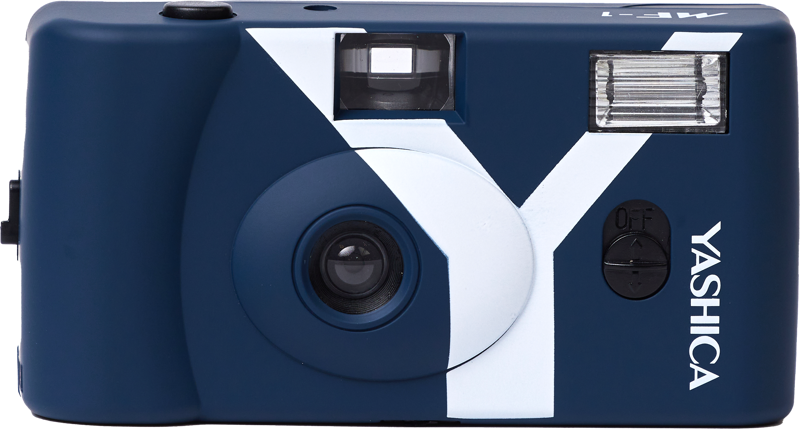
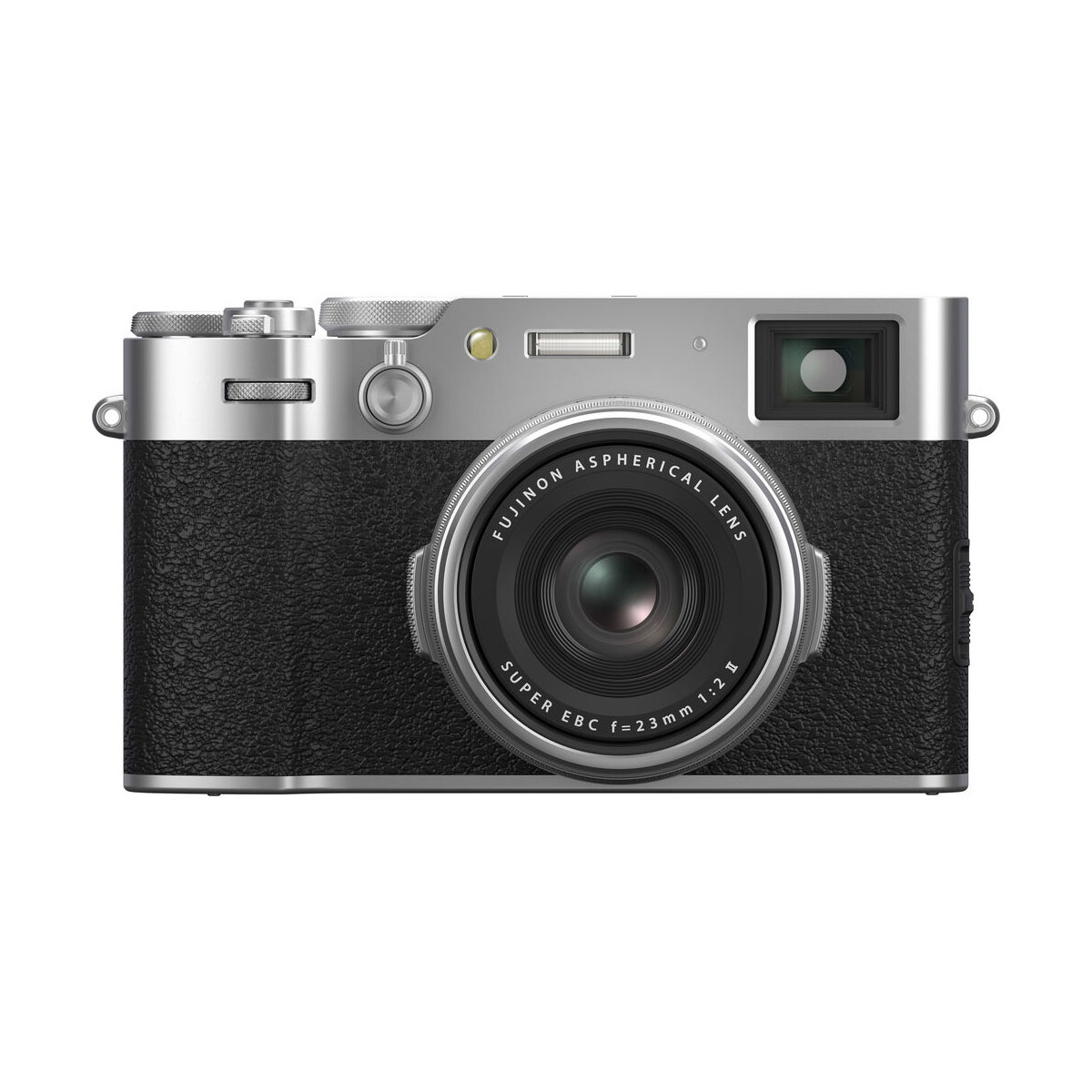
Compact camera: These are ”paperback” cameras with a fixed lens. They are small, light and easy to use, but their editing capabilities and often image quality are more limited.
In this category, you can change the lens, which opens the door to creativity. System cameras are divided into two main types: mirrorless (DSLR) and mirrorless.
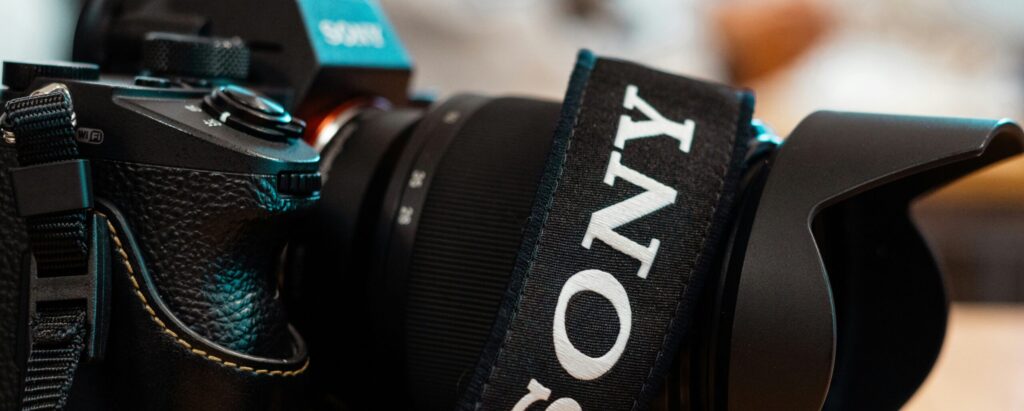
Mirrorless system camera (DSLR): The traditional choice, where light passes through the lens, is reflected from the mirror to the prism and from there to the optical viewfinder. So you see the world directly through the lens. DSLRs are renowned for their durability, excellent battery life and wide range of lenses.
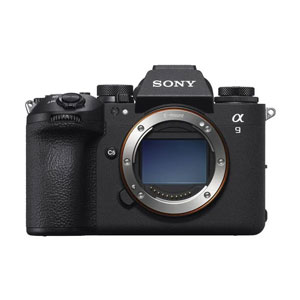
Mirrorless system camera: As the name suggests, these cameras have no mirror. The light hits the sensor directly, and the image is displayed to the photographer in an electronic viewfinder or on the rear screen. This makes the cameras smaller, lighter and quieter. The advantage of the electronic viewfinder is that you can see in real time what the final image will look like in terms of exposure and colour. Mirrorless has quickly become the most popular option on the market thanks to technological advances such as high-speed autofocus systems.
The advantage of a system camera, customisability, is the interchangeability of lenses. The same body can be used as a wide-angle landscape camera, a tool for potshots and a telephoto lens for sports photographers. Modern mirrorless system cameras have become the number one choice for photographers thanks to their light weight and advanced technology, but even with traditional with mirrorless DSLR cameras still has a solid base of supporters.
The biggest advantage of a system camera is the creative freedom. Instead of automatic mode, you can control the main building blocks of the image yourself, called the exposure triangle: shutter speed, aperture and ISO. Once you learn how to play them together, the only limit is your imagination.
There is a shutter curtain in front of the camera's sensor. Closing time tells you how long the curtain will open to let light into the cell.
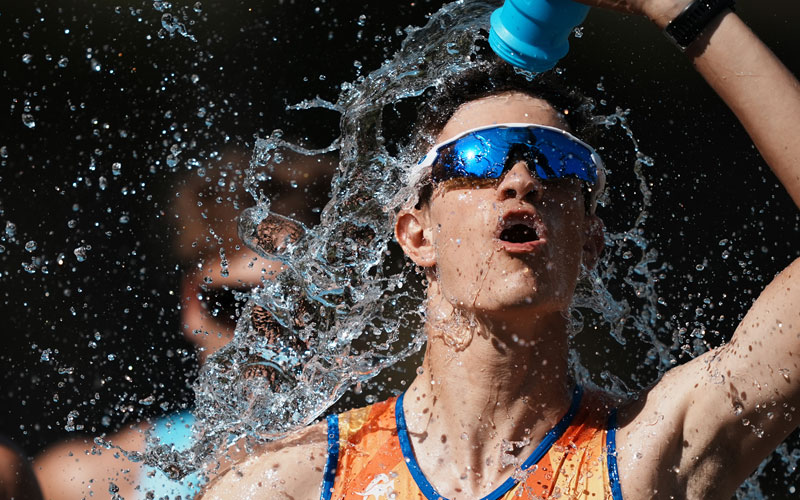
Short shutter speed (e.g. 1/1000 s) stops even the fastest movement in its tracks. Perfect for sports, photographing pets or capturing water droplets.
Long shutter speed (e.g. 1 s or longer) turns movement into art. It makes the stars in the night sky appear as streaks or a waterfall flow silky smooth. Remember, for long shutter speeds, a sturdy tripod is your essential friend.
Adjustable inside the lens opening works like the iris of the eye: it controls the amount of light that reaches the sensor. The size of the aperture is measured by the f-value.
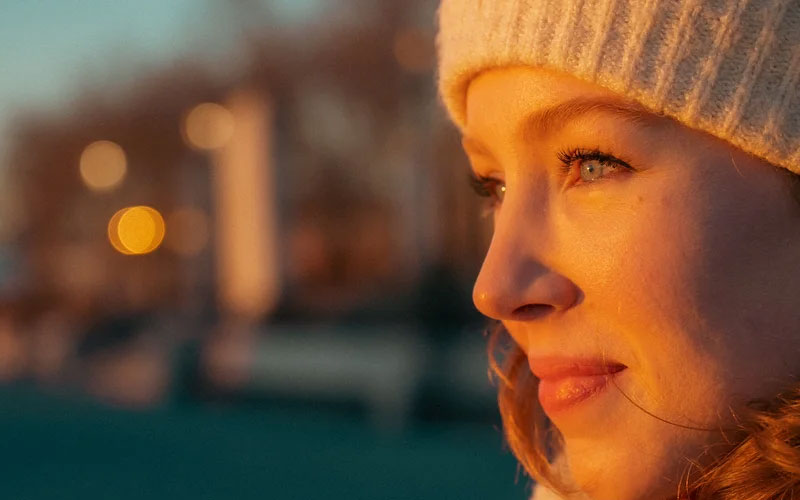
Low f-stop (e.g. f/1.8) means a big gap. It lets in plenty of light and creates a short depth of field that blurs the background beautifully and highlights the subject. This is the secret of portraiture.
High f-value (e.g. f/11) means a small gap. It produces a wide depth of field, where the entire image area is sharply drawn, from the rocks in the foreground to the mountains on the horizon. This is the basic tool of the landscape photographer.
ISO value measures the sensitivity of the camera sensor to light.
Low ISO value (e.g. 100) is the default setting in good lighting conditions. It produces the cleanest and most detailed image quality.
High ISO value (e.g. 3200) is your salvation in obscurity. It allows you to shoot handheld in atmospheric interiors or at dusk without flash. Modern cameras handle the noise of high ISO values very well.
White balance (WB) is the camera's vibration. It ensures that white looks white and other colours are reproduced naturally, whether you're shooting in candlelight or bright sunshine. The automatic setting often works well, but you can also use situation-specific presets or adjust the balance manually for the perfect colour scene.
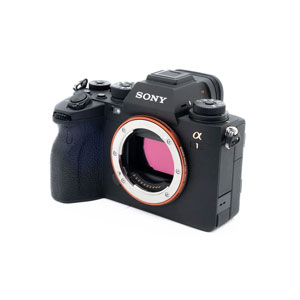
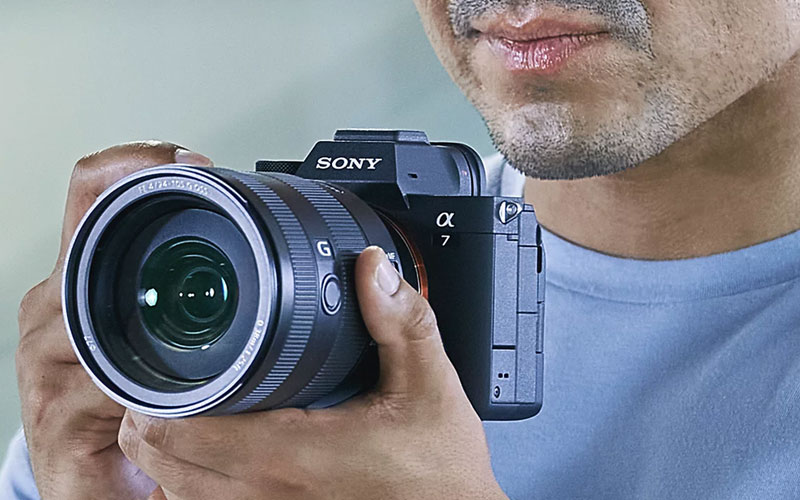
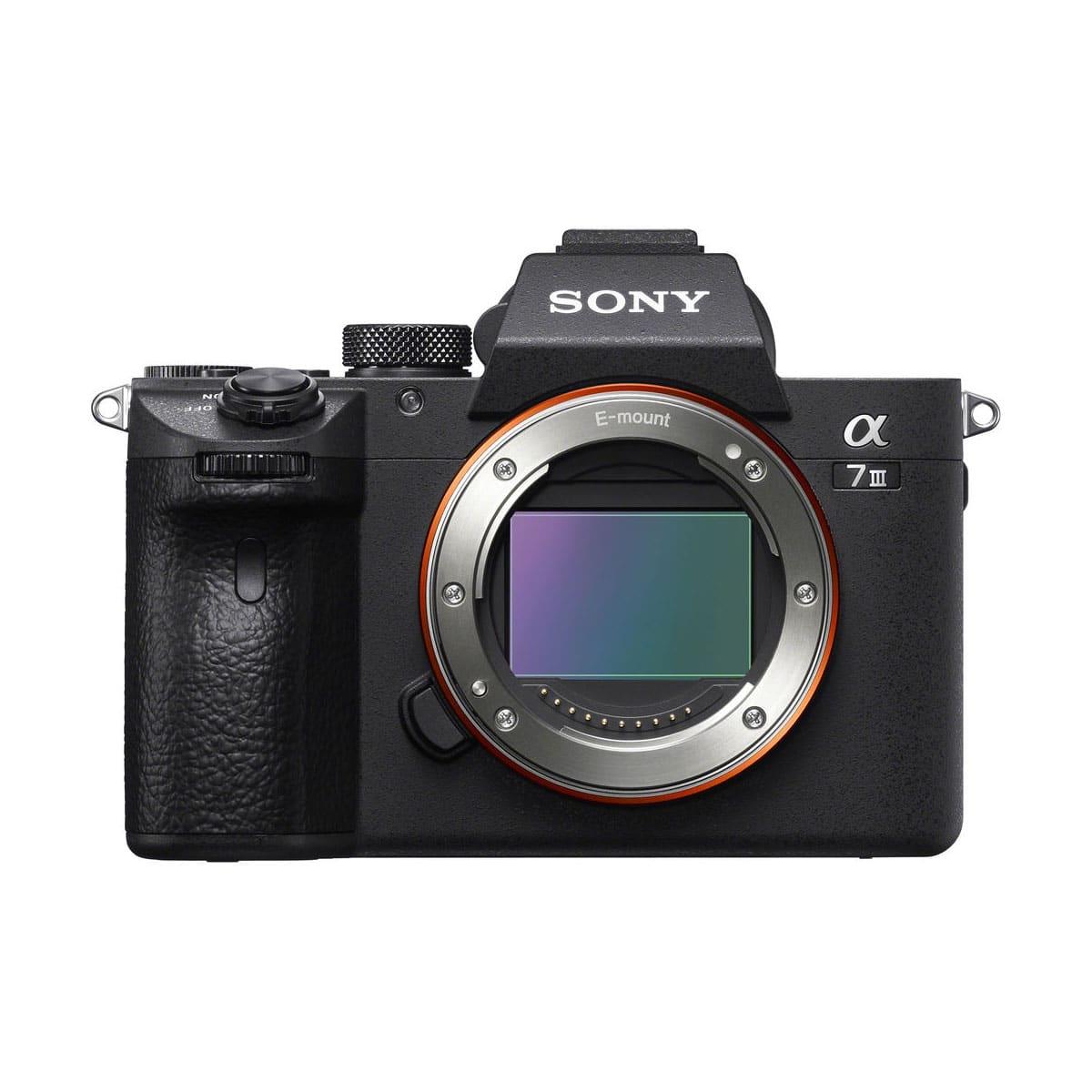
If you're looking for a modern, high-performance mirrorless camera, Sony A7 series is a modern classic. It is renowned for its class-leading autofocus, outstanding image quality and ever-expanding lens range. The range has bodies for every taste, from the keen enthusiast to the discerning professional. Sony's A7 series offers a system camera for every taste, from the resolution monsters (A7R) to the video-specialised and sensitive (A7S).
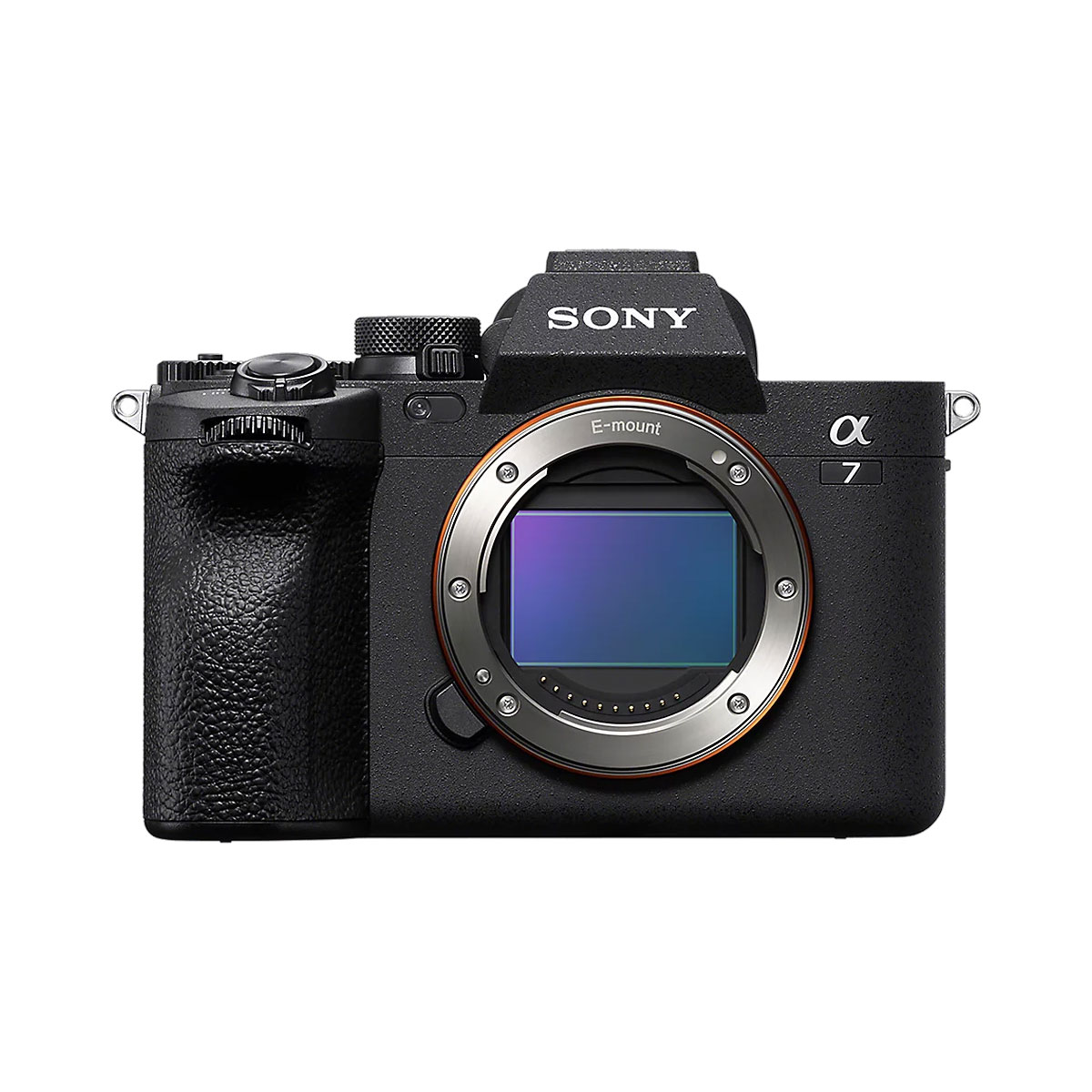
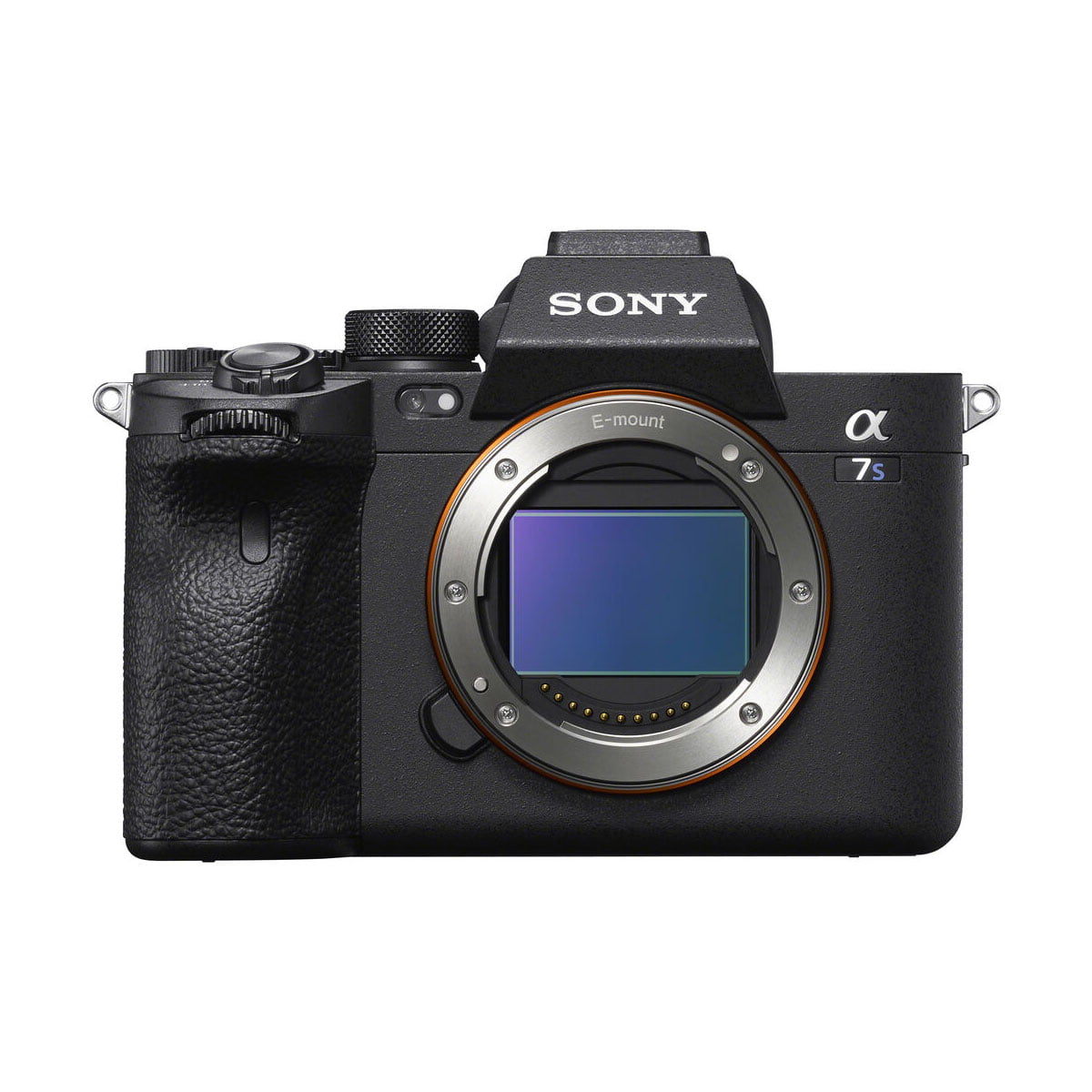
If you are unfamiliar with the abbreviations, check the our article on the different models of the Sony A7 camera and the meaning of the letter symbols in the names.
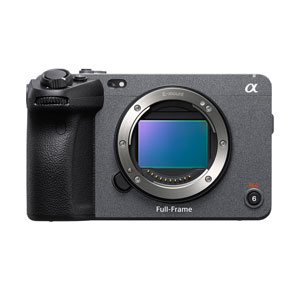
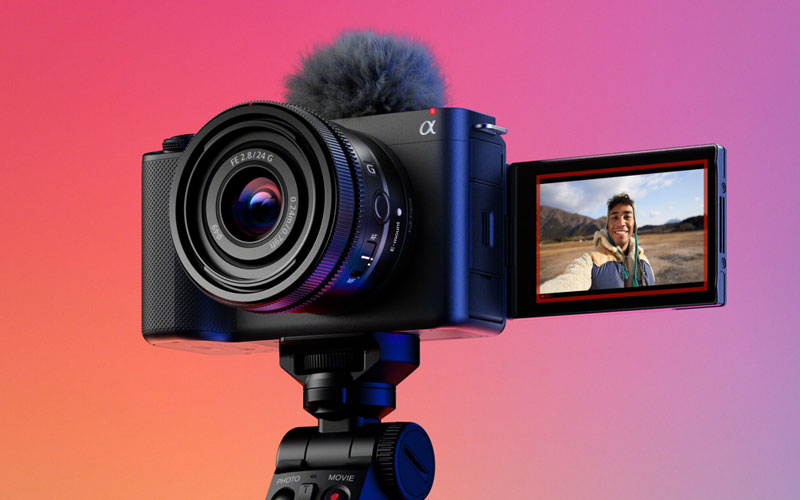
While the video capabilities of system cameras are state-of-the-art, standalone cameras video camera defend their place, especially in longer productions. They offer better ergonomics, professional-grade audio interfaces and battery life that won't die in the middle of an important moment.
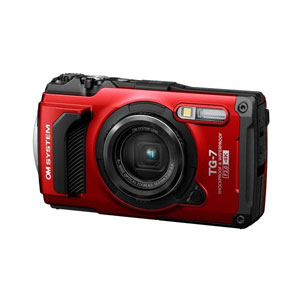
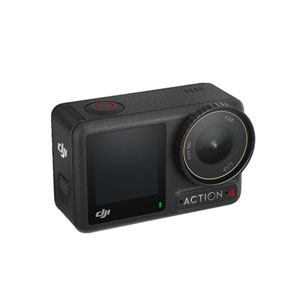
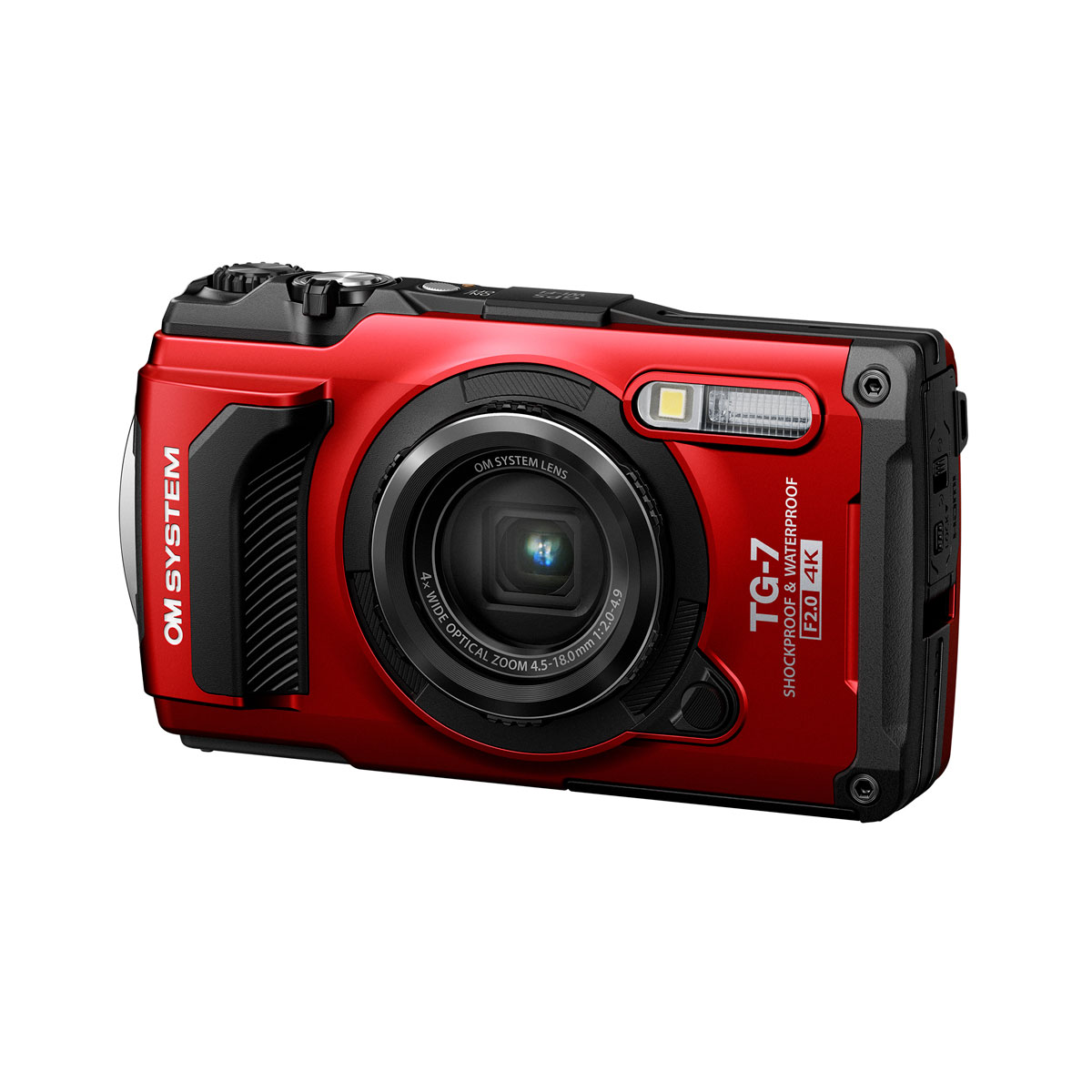
When the going gets tough, you need a robust camera. Small and peppy action camera are made to withstand shocks, water and speed. Attach it to your helmet, bike or kayak and capture experiences that ordinary cameras can only dream of.
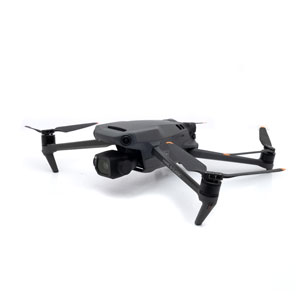
Take your photography to a new level - literally. DJI's drone open up completely new perspectives on landscapes, events and real estate. Their ease of use and stable, high-quality images make them a great tool for any photographer.
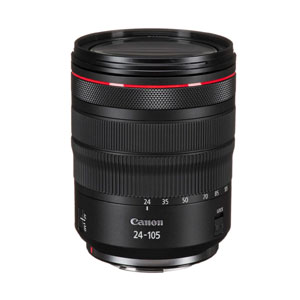
The quality of the lens directly affects the quality of the image and determines how well you can capture different subjects, how much of the landscape you can squeeze into the frame, or how close you can zoom in on a running athlete from the stands.
With system cameras, you can change lenses to suit your needs. This allows you to take better pictures in different lighting conditions, as different lenses offer different features such as luminosity and focal length.
Lenses with higher light intensity allow more light to reach the sensor, which is particularly useful in low-light conditions or when you want to reduce noise in your images or shoot in low-light conditions in general. For beginners, a good option can be an affordable lens that offers adequate quality without a big investment.
There are many different types of camera lenses, and the choice depends on what you want to shoot. For example, nature photography may require a longer focal length, while a shorter focal length may be better for portraiture. A good camera combined with the right lens can raise the standard of your photography significantly.
When you are considering buying a camera, also check that the lenses are compatible with the camera body. Remember that the quality and characteristics of the lenses will have a big impact on how much you can get out of your camera.
In most cases, the camera comes with a kittil lens is a versatile general lens that will get you off to a great start. It's designed to cover the most common shooting situations, but as you start to find your own style, you'll soon find yourself missing the possibilities that special lenses bring. The Kittilens is an excellent ”general lens” for beginners who don't yet know exactly what kind of photography is their thing.
Wide angle lens (focal length less than 35 mm) captures a wide view and gives the images an impressive sense of space. It is an invaluable tool for capturing landscapes, architecture and confined interiors.
With macro lens you reveal a world that the naked eye cannot see. You can get incredibly close to your subject and capture the smallest details of an insect, the dewdrops on a flower petal or the delicate engravings on a piece of jewellery.
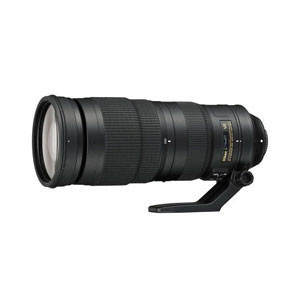
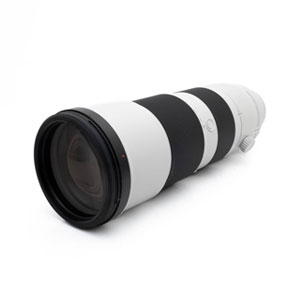
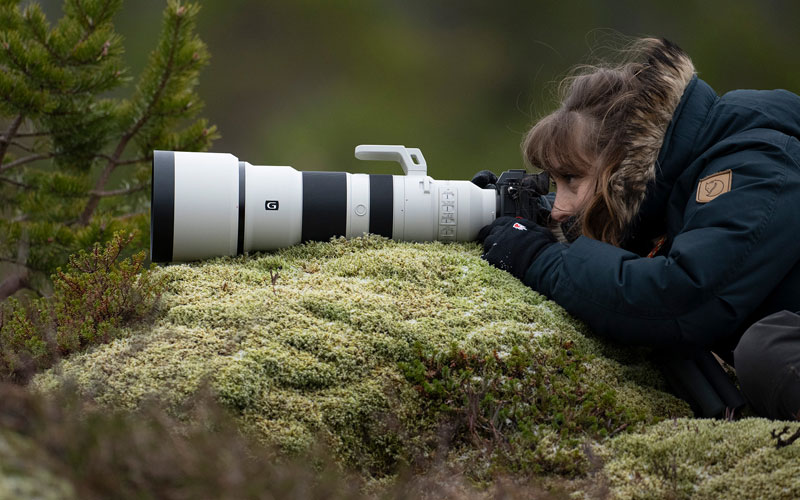
Telephoto lens (focal length over 70 mm) brings distant subjects close to you. It's a nature and sports photographer's best friend, allowing you to capture a sensitive animal without disturbing it or record a sporting performance from the other side of the field.
Find out more on lens selection and bayonets in our article here!
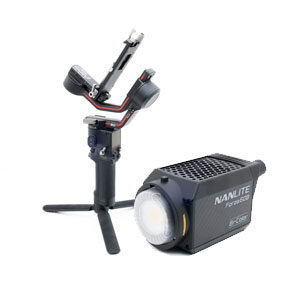
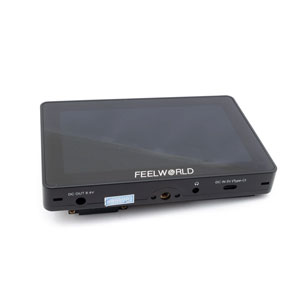
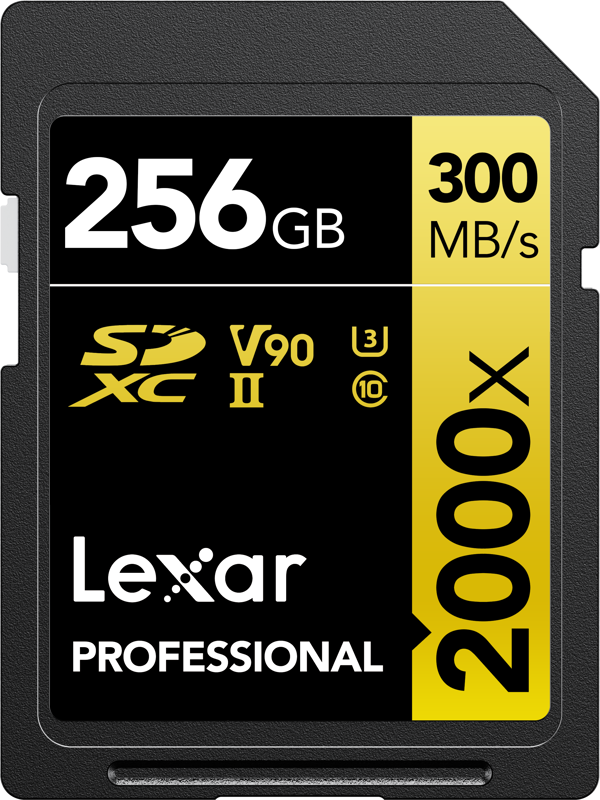
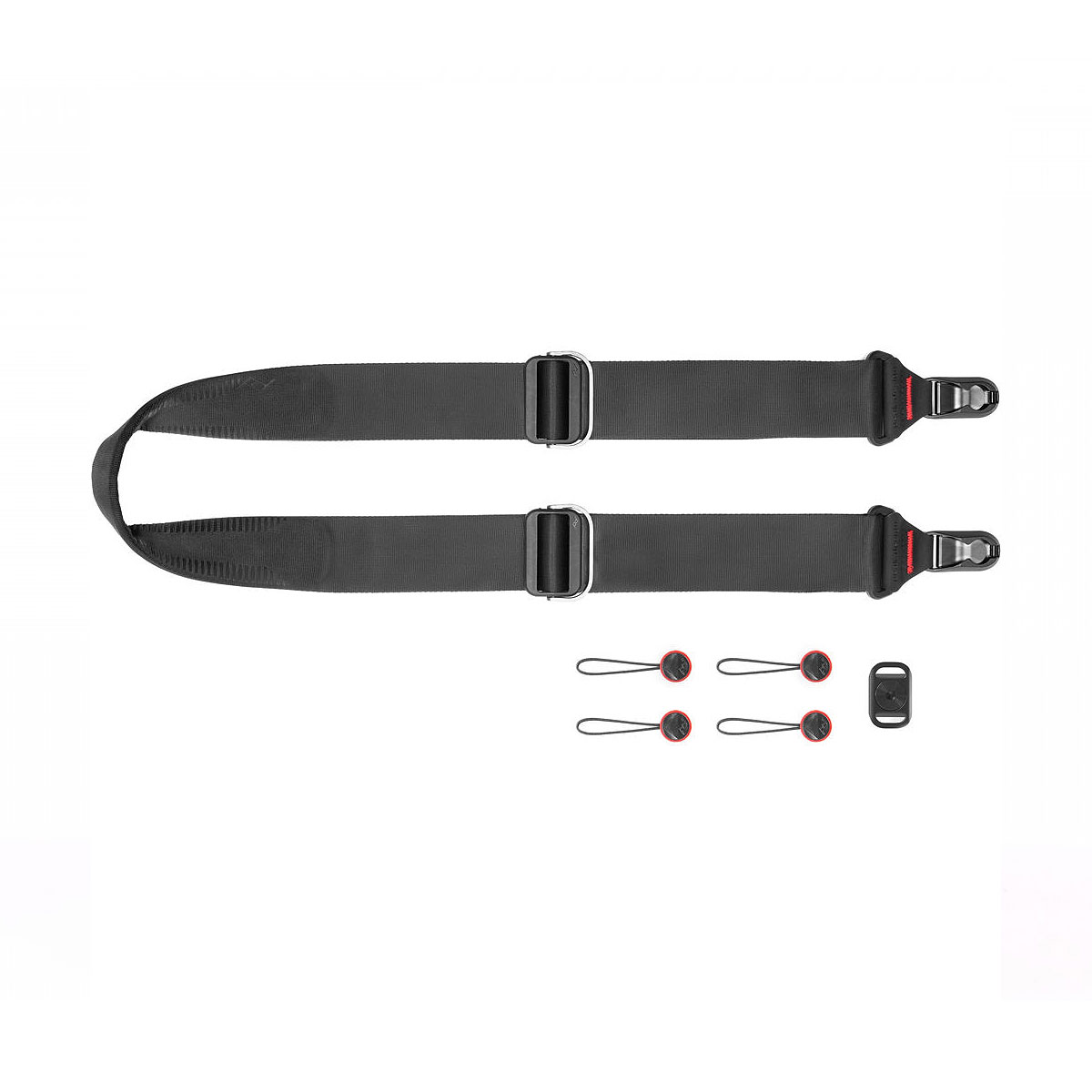
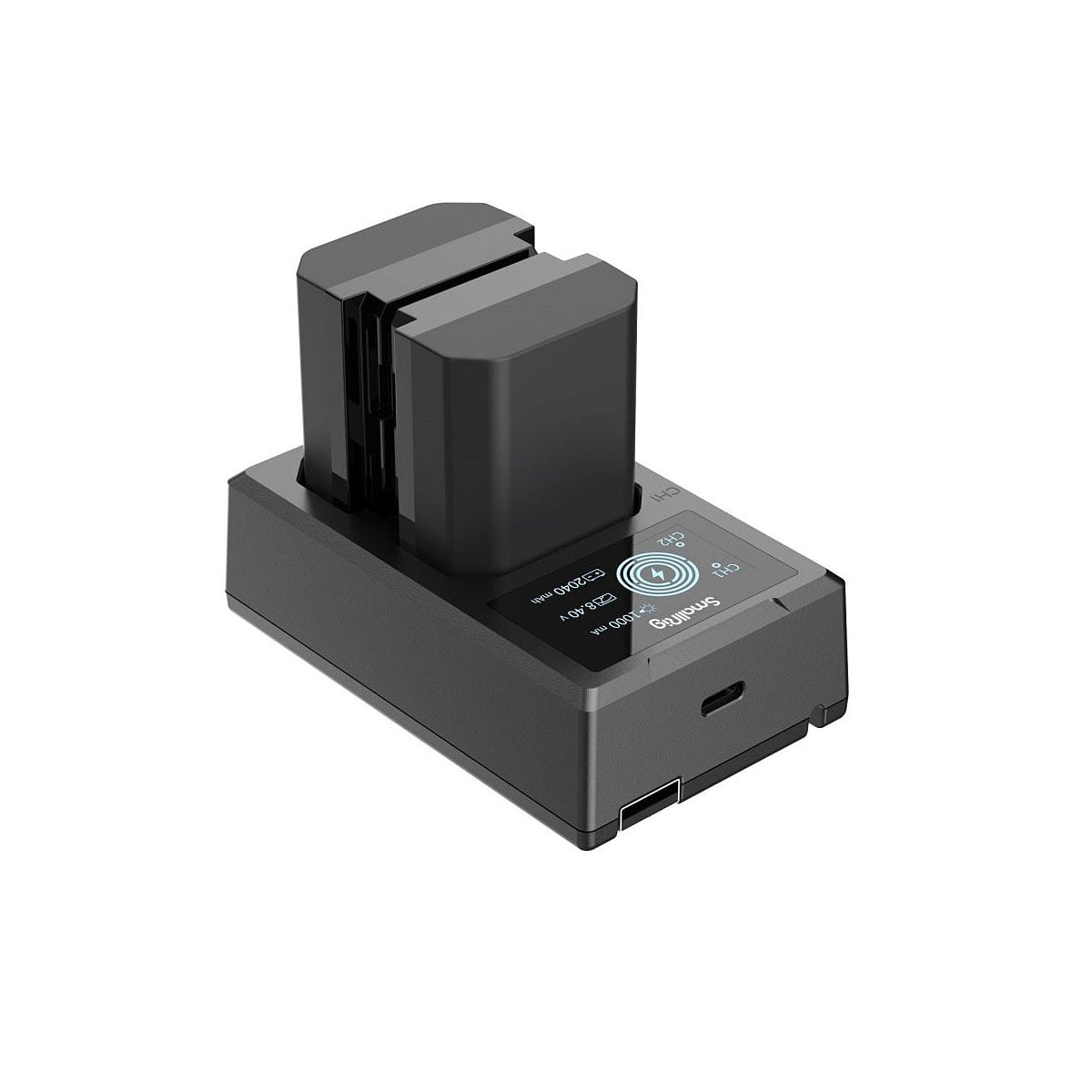
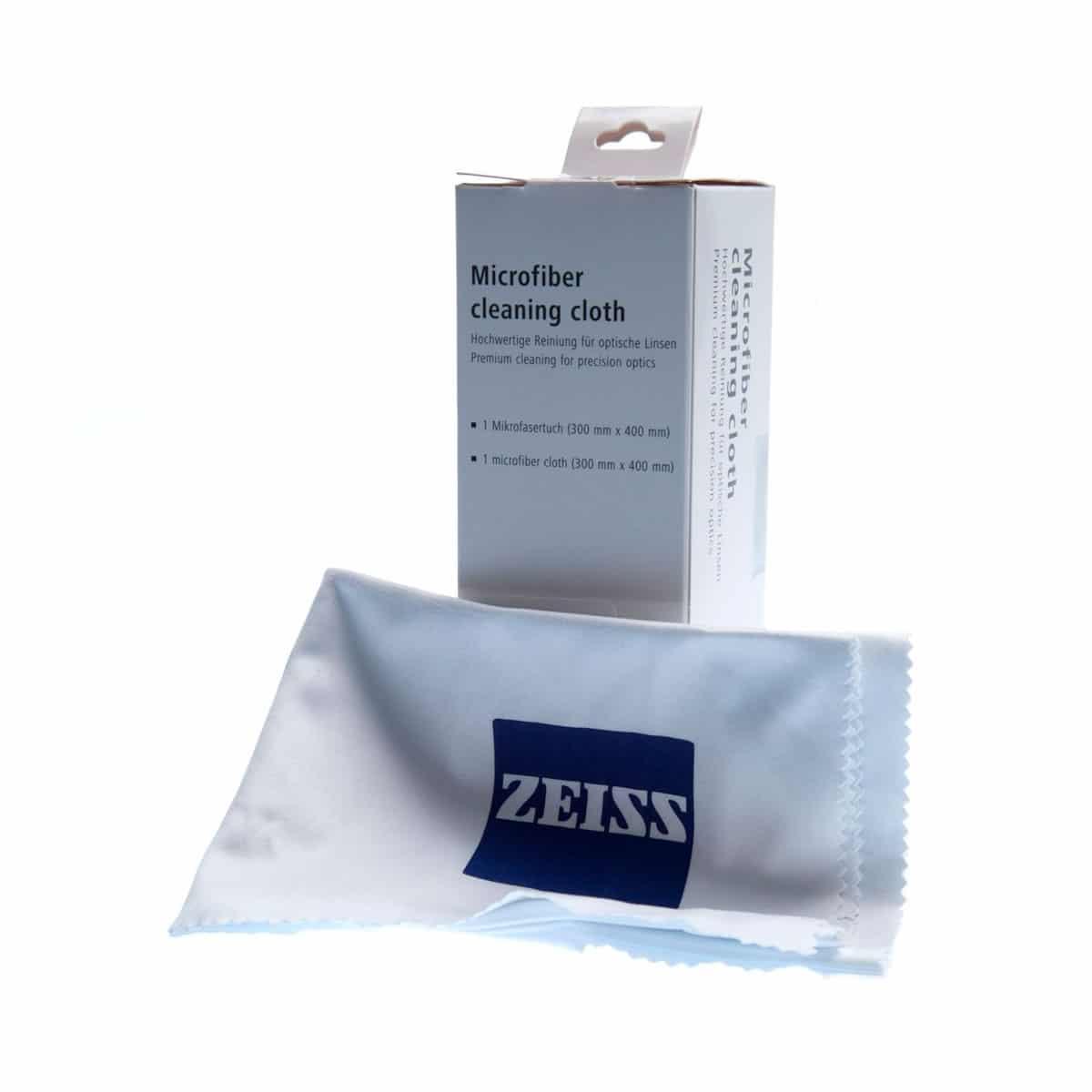
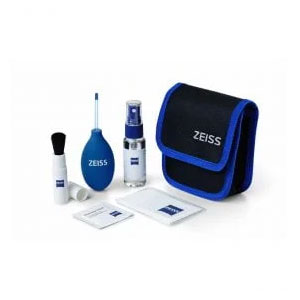
The right accessories are not just accessories - they are tools that make shooting smoother and open up new creative possibilities.

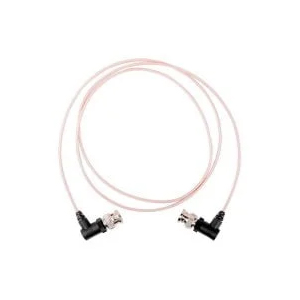
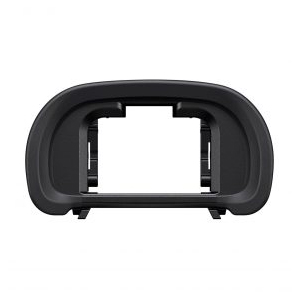
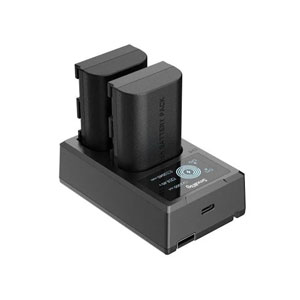
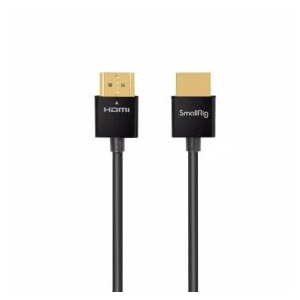
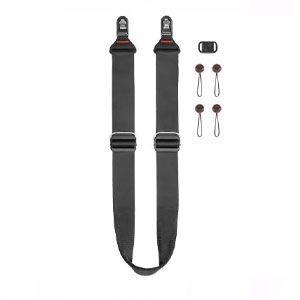
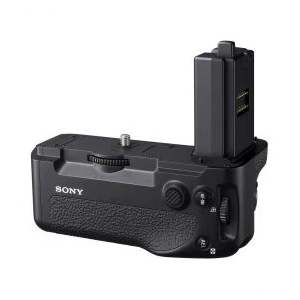
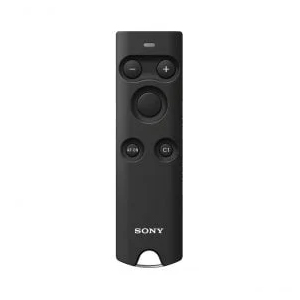
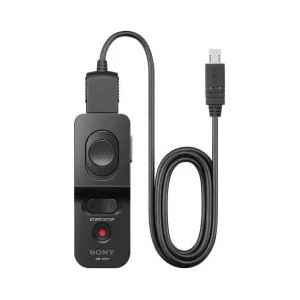
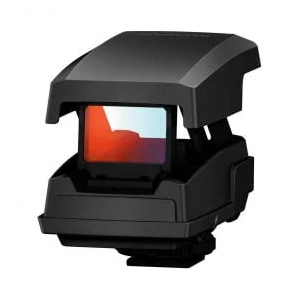
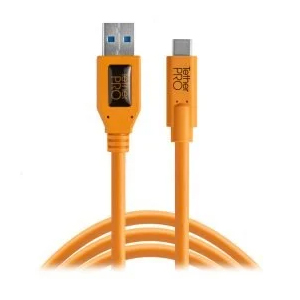
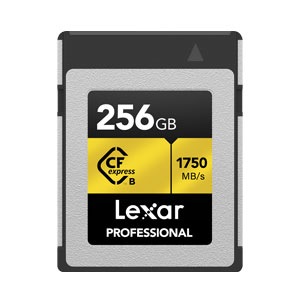
Top-of-the-range photographic equipment is made to last. Used camera or lens buying is a smart way to save and get more value for money. You'll always find used pearls that have been professionally inspected and guaranteed.
At Foto Monza's online store you will find a wide and constantly updated selection of carefully checked SLR cameras, lenses, video cameras and accessories at affordable prices.
Choosing a reliable seller when buying second-hand photographic equipment is very important, because photography as a hobby is not the cheapest option. In the consumer-to-consumer trade in second-hand photographic equipment, it is very common that the seller may not even know exactly what they are selling, or how to assess its condition, let alone the warranty. When you buy from Foto Monza you know that every item for sale has been thoroughly checked before being put up for sale, and every used item comes with at least a 30-day warranty from the date of purchase, giving you plenty of time to go through your purchase yourself and check that everything is in working order if you have any doubts.
Condition largely determines the residual use value of a product sold second-hand, and the condition rating helps to give an idea of how much the product has been used and what care the previous owner has taken of it. We rate used equipment on a scale of 1-5 for condition - you can think of the numbers as star ratings, with one being the weakest and five being excellent. Traces of use are also mentioned separately in the product descriptions, as well as dust that is unaffected by use, and scratches.
All equipment is inspected and tested for functionality before it is put on sale, so the condition rating is mostly about cosmetic defects rather than functionality.
Find out more fitness ratings with illustrative examples in our article here.
Photographers tend to leave old equipment lying around in corners when interest shifts to new equipment with the upgrade. One great way to save shelf space and fill the hole in your shooting budget that comes with new acquisitions is to sell your old cameras, lenses and equipment to Foto Monza.
On average, we go through more than 10 used products every day, or more than 3000 products a year, and we are excellent at assessing both visual and mechanical condition, as well as general functionality. You get a good market price for your products, and you can exchange the value of your credits for products and services, keep them in your customer account or receive them as a transfer to your account.
You can bring the products to the shop yourself or use transport services, such as the post office and courier services. We aim to assess products within 24 hours of arrival.
Read More about the sale of used film equipment to Foto Monza here.
I hope this guide has clarified your thinking. Remember, the best camera is the one that inspires you to shoot. We welcome you to browse our range and talk to our experts - we're here for you!