Kysyttävää? Soita meille 05 - 375 3220
Free delivery for orders over 1000 € / 30 days Return policy

Subtotal: 4560.80 €
Kysyttävää? Soita meille 05 - 375 3220
Free delivery for orders over 1000 € / 30 days Return policy
There are countless memory cards and in the worst cases the wrong card will not work in the camera at all. In this article, we'll clear up the memory card mess.
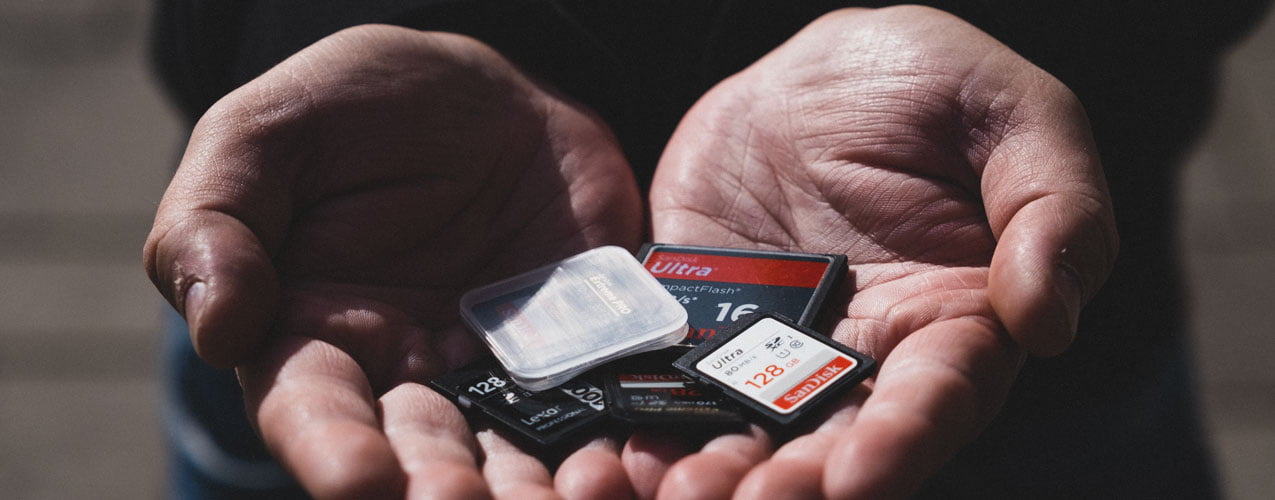
There is a very wide range of different memory cards, in different sizes and at different speeds, and finding the right one can be a challenge. This guide explains the criteria for choosing the right card, the different types of cards available and what the different memory card labels mean.
The most important thing is to find the right memory card for your needs. The bottom line is that when shooting video, you need a much bigger and faster card than when shooting stills. Serial photography, for example when shooting sports, also requires a faster card and usually more space.
Find out what type of card your camera supports and which card fits your camera. The fastest card is not always the best, as the camera itself may not be capable of the speed promised by the card. In most cases, you can find the appropriate card models in the user manual of your camera.
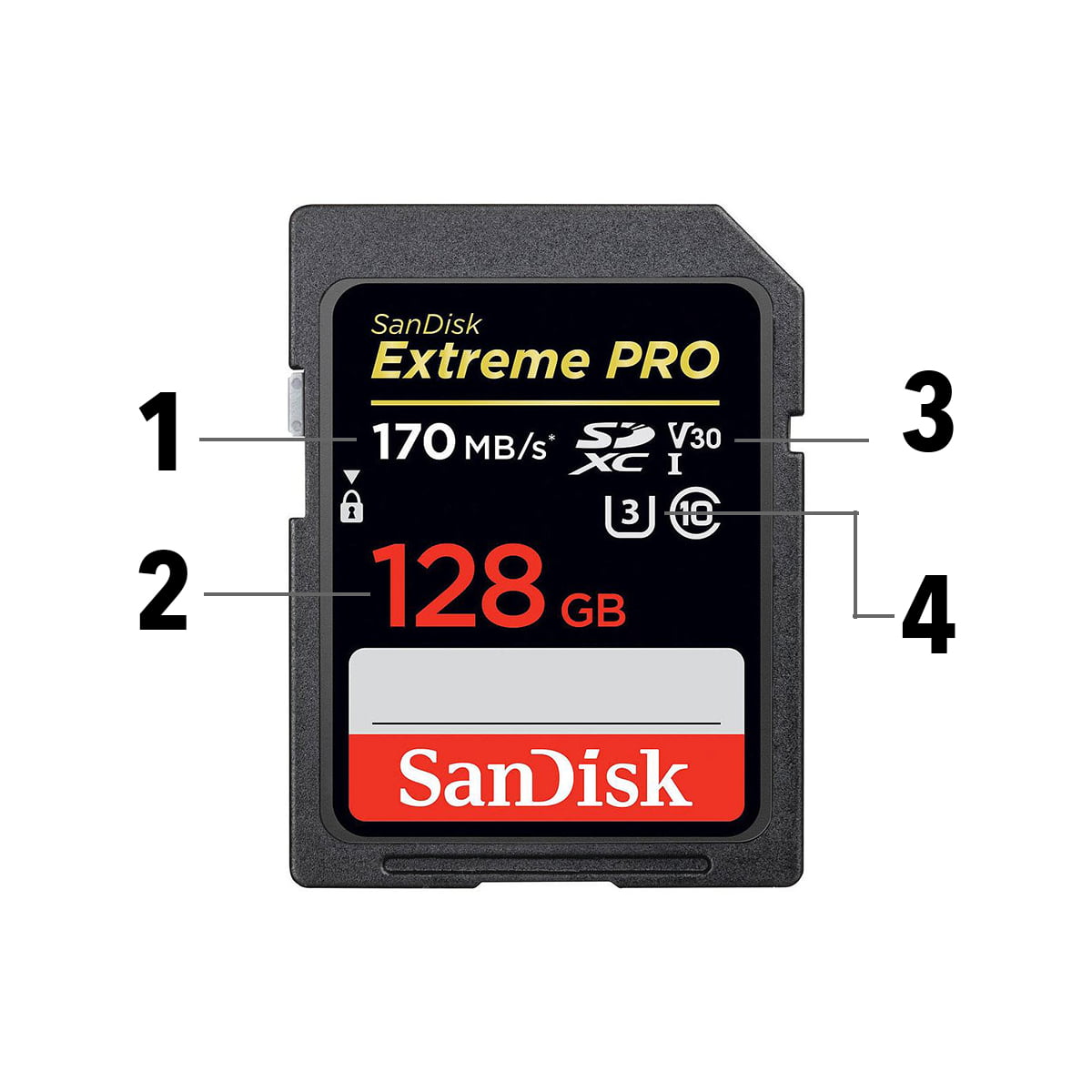
The GB number indicates the storage capacity of the memory card, the higher the number, the more storage space the card has. In general, 32GB and 64GB cards are good enough for normal shooting, a larger card is worth investing in if you shoot a lot of cartoons or video. SD cards are divided into two different categories according to storage capacity. HC cards have a storage capacity of 4-32GB and XC cards 64-2000GB.
The read and write speeds of memory cards indicate the speed of the card. The write speed is the speed at which the camera can record an image onto the card. The read speed tells you how fast you can transfer the image from the memory card to a computer, for example. 170MB/s and slower cards are fine for normal shooting, but you need a faster card for video and continuous shooting.
The UHS-I and UHS-II markings indicate the maximum data transfer rate of the memory card. Cards marked UHS-I can transfer up to 100Mbps and cards marked UHS-II can transfer up to 285Mbps.
More information about the different memory card labels can be found below!

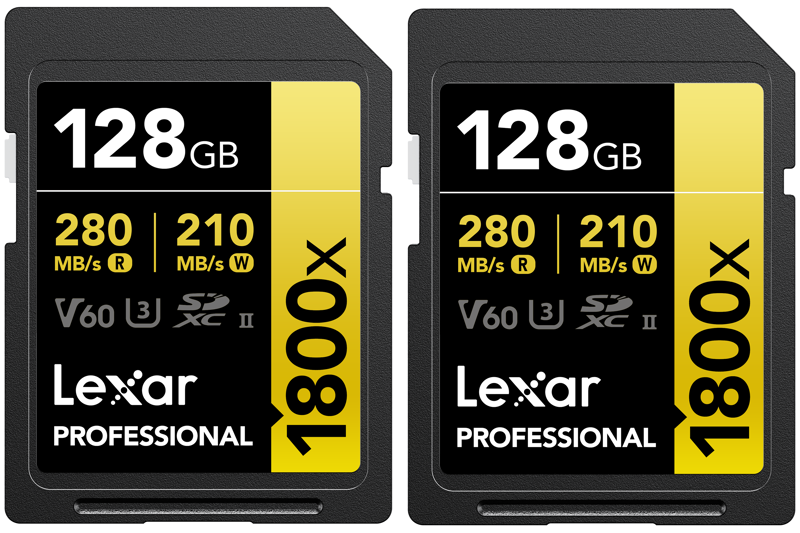
SD card
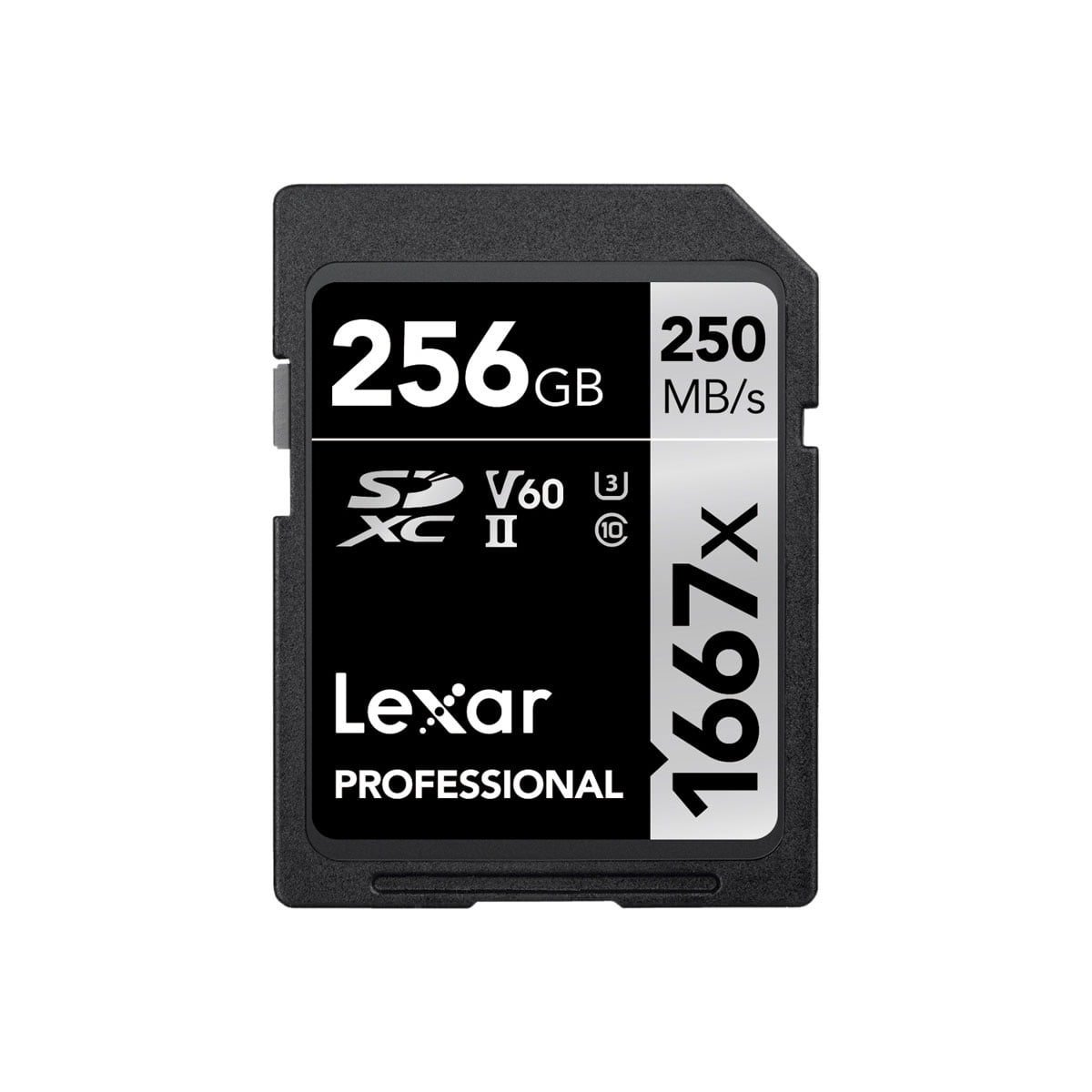
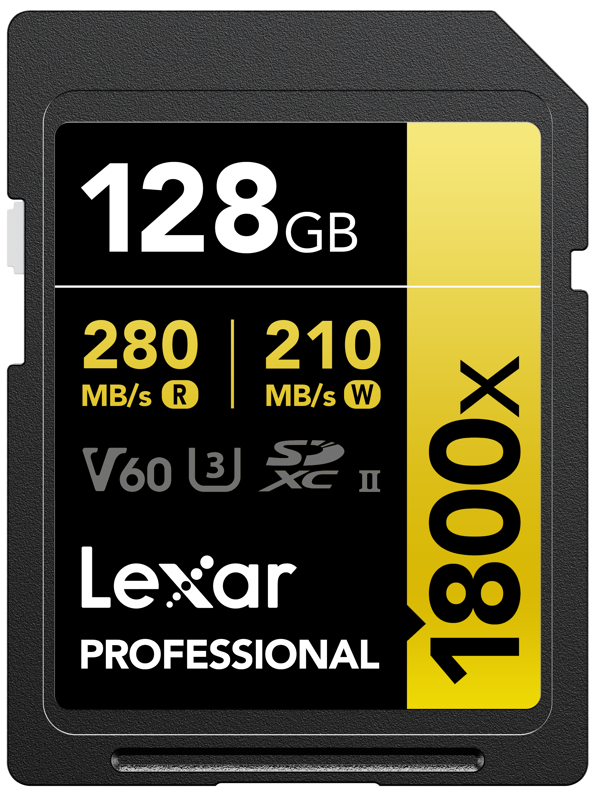
SD card is the most common type of memory card and is used by a large proportion of cameras. SD cards come in many different sizes and speeds, so choosing between them can be challenging. SD cards are equipped with copy and overwrite protection, which prevents duplication of files. Below are our most popular cards in this category.
MicroSD card
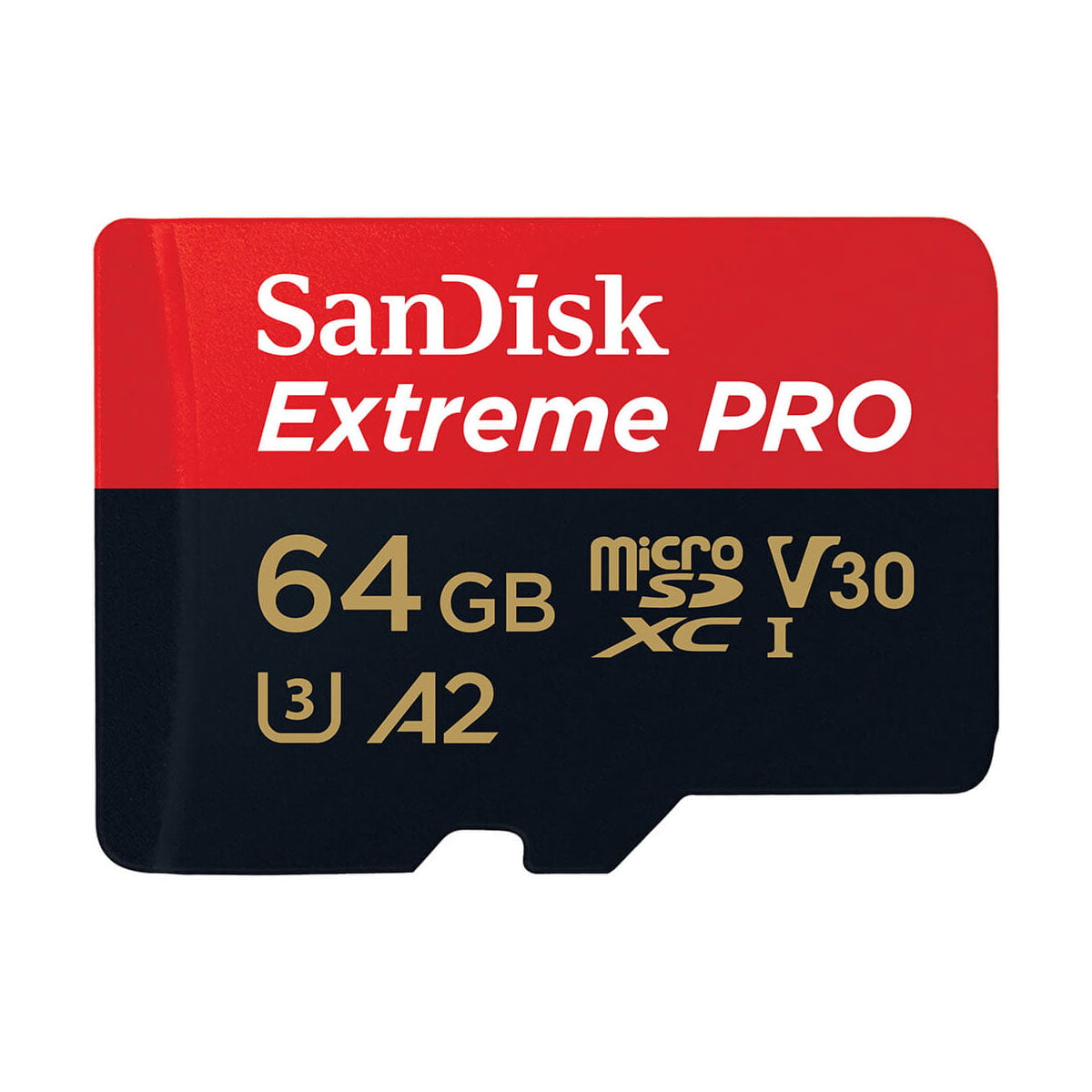
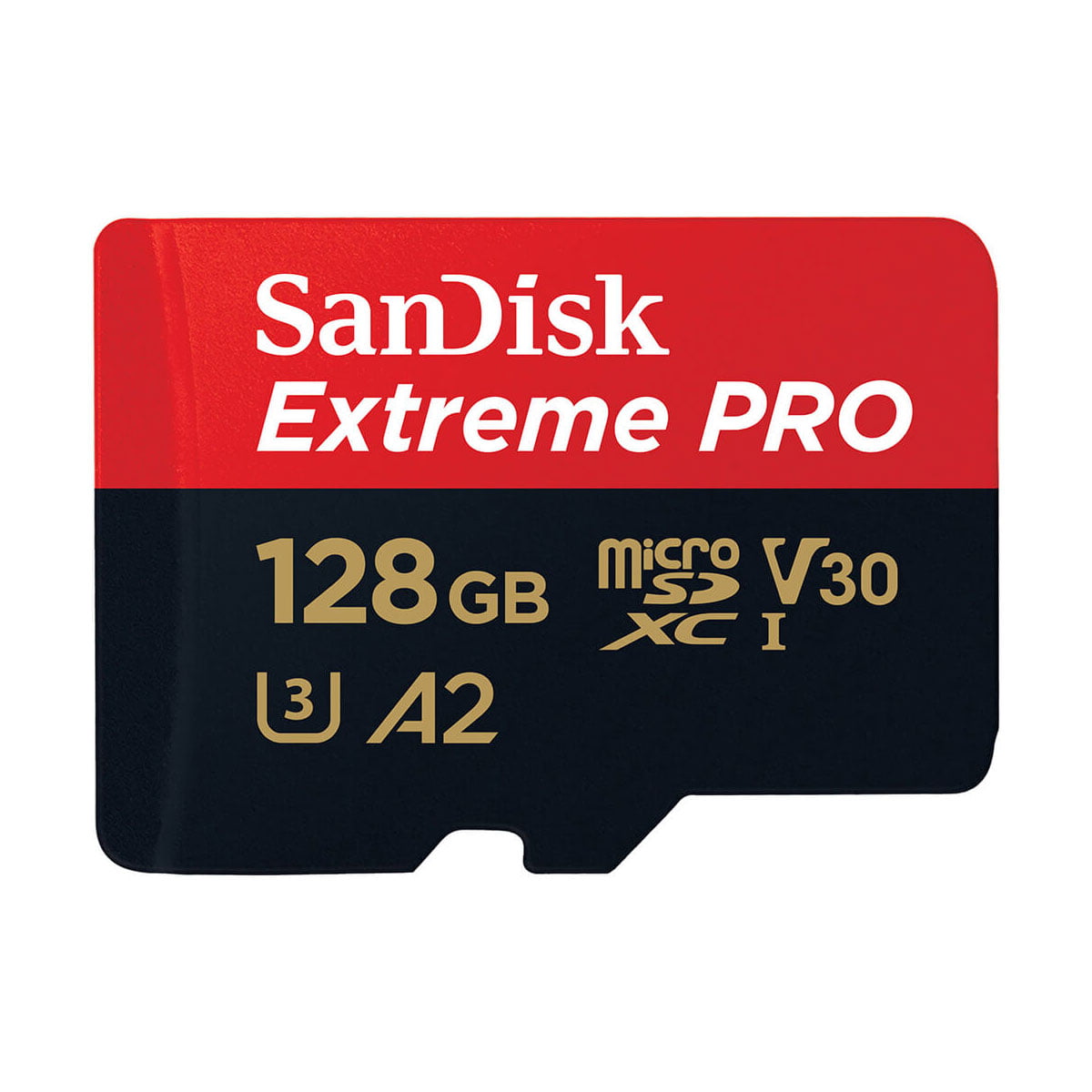
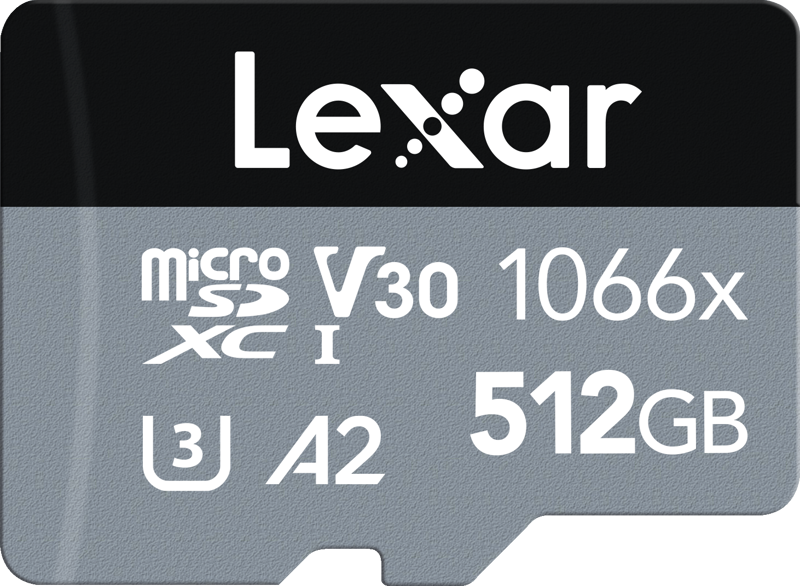
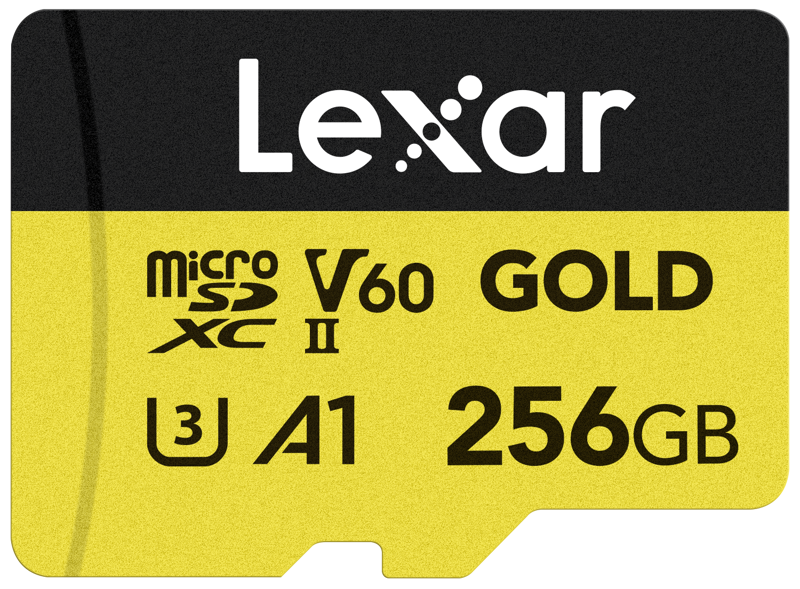
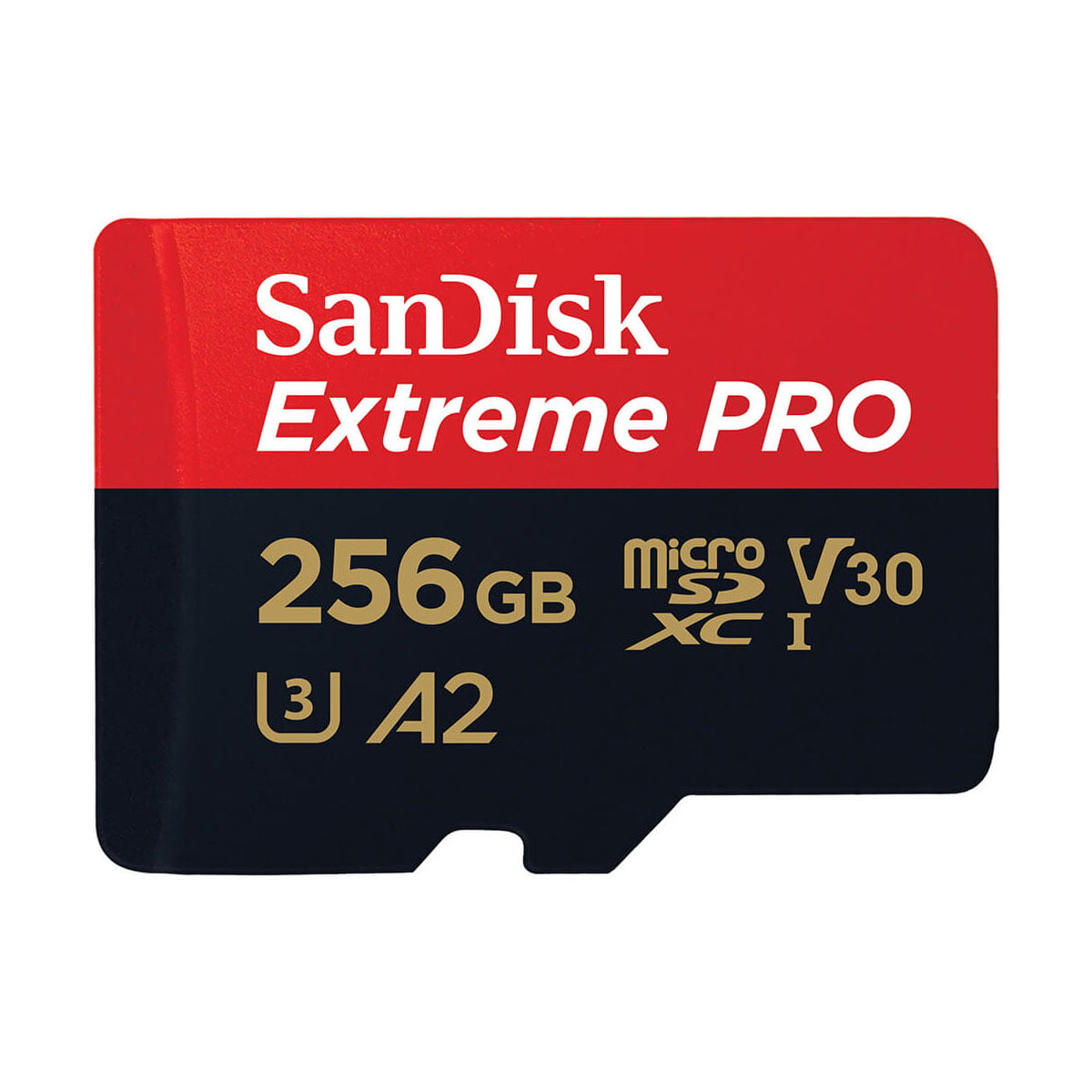
MicroSD card is physically the smallest card and is mostly suitable for action cameras and drones. MicroSD is very similar to a traditional SD card in terms of features, with varying sizes and speeds. Below are our most popular cards in this category.
CFast card
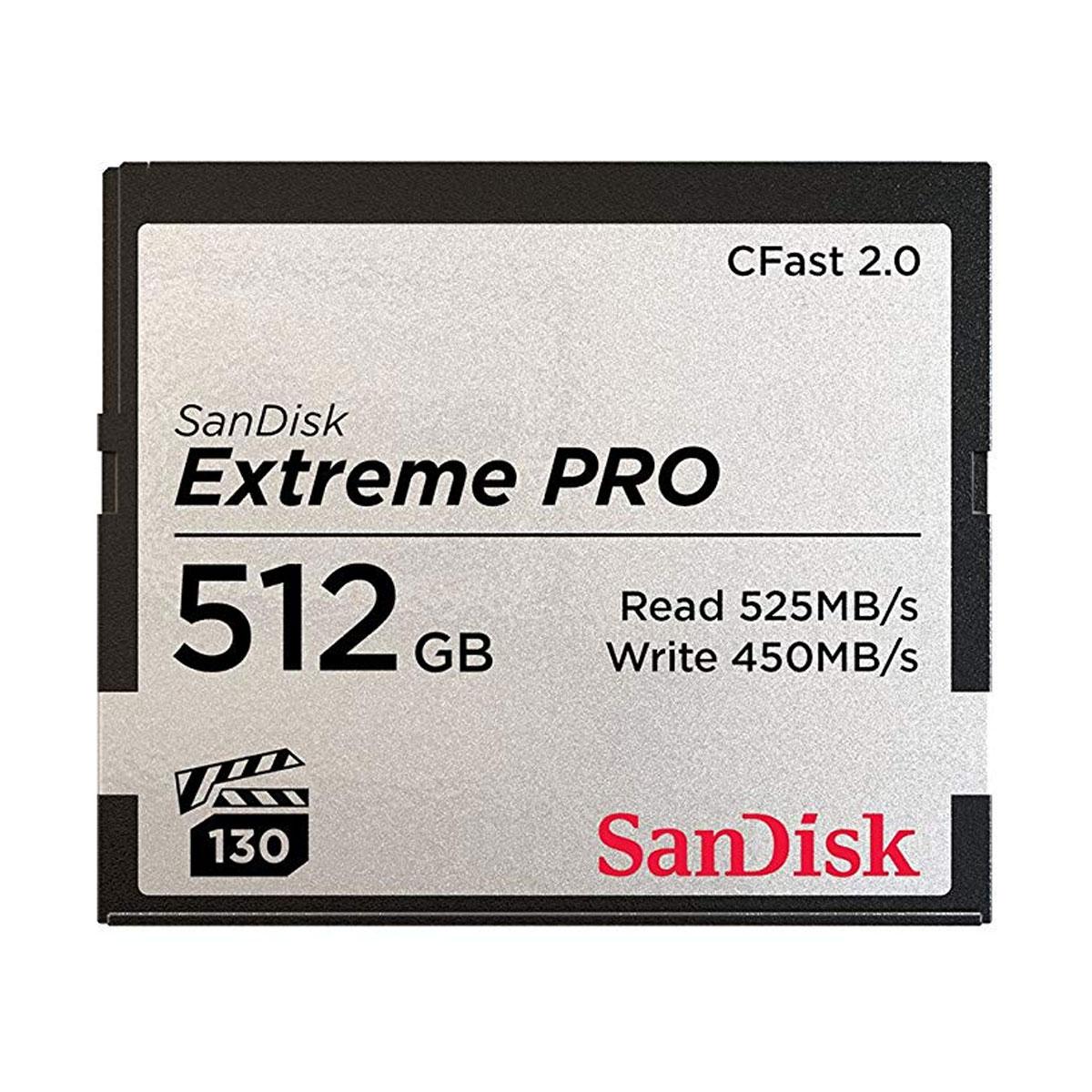
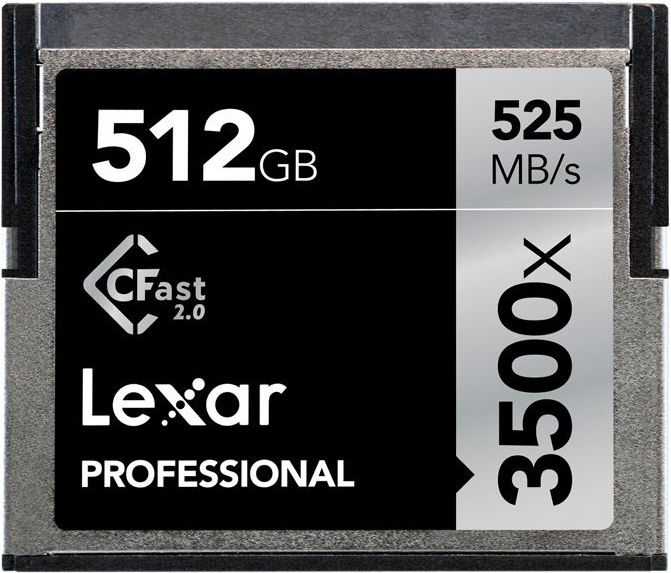
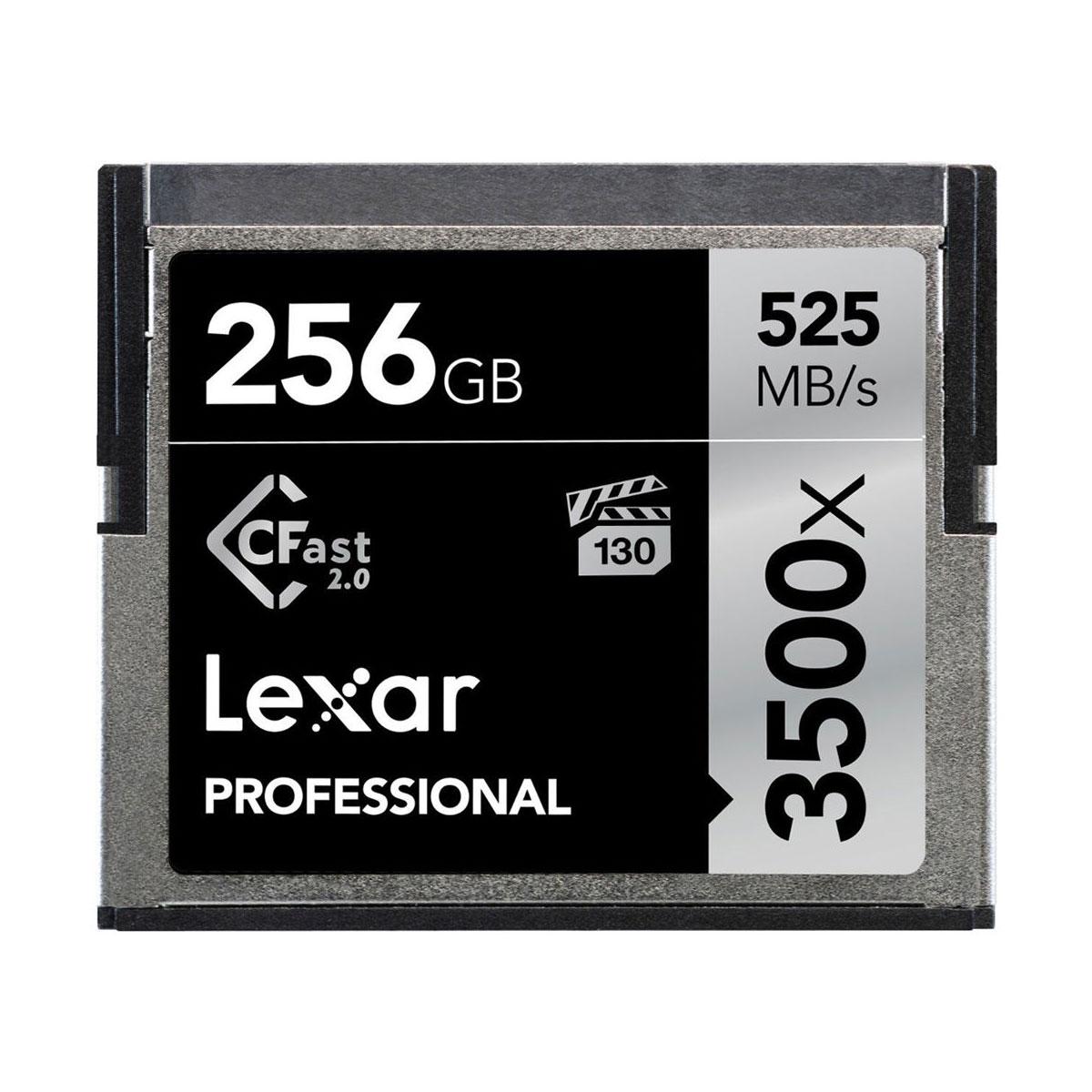
Cfast on CompactFlash a slightly newer version of the memory card, a common card in system cameras. Often a high-capacity, high-speed card designed specifically for professional use, for example in film production. Below are our most popular cards in this category.
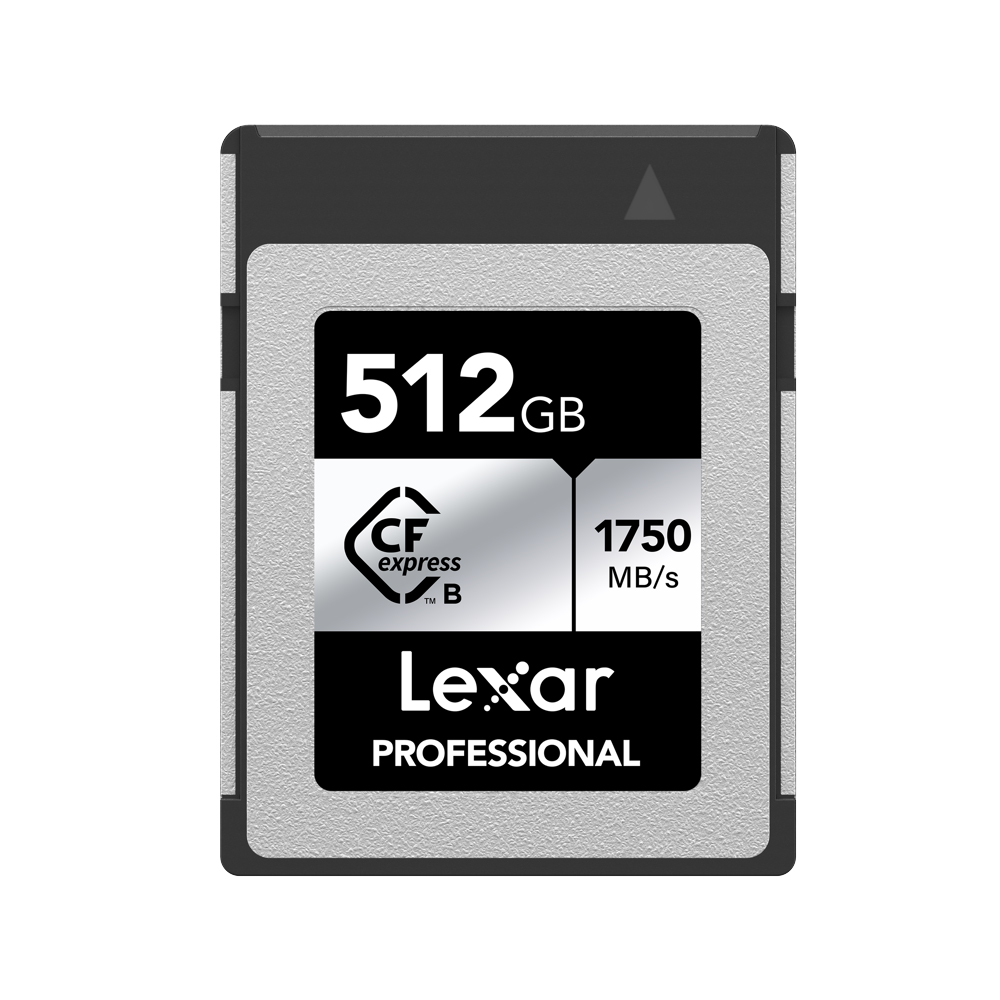
CFexpress card
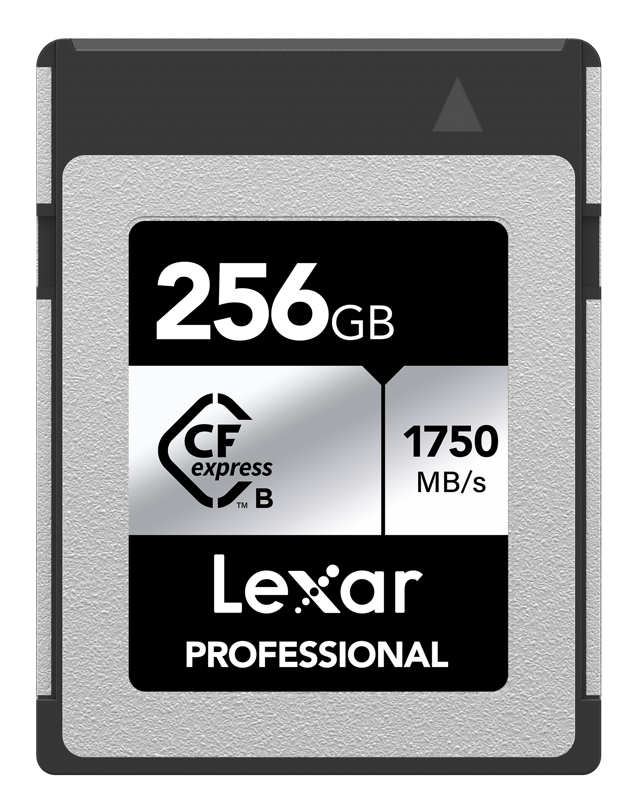
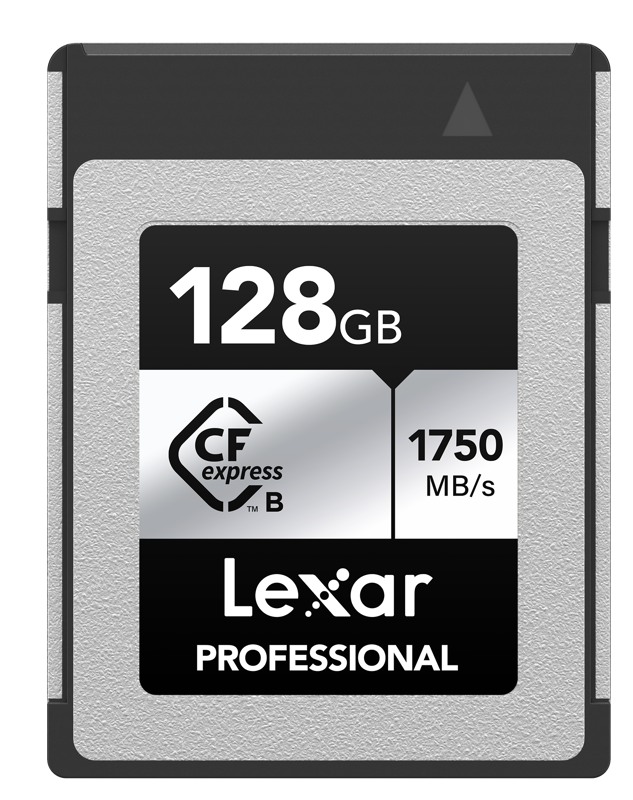
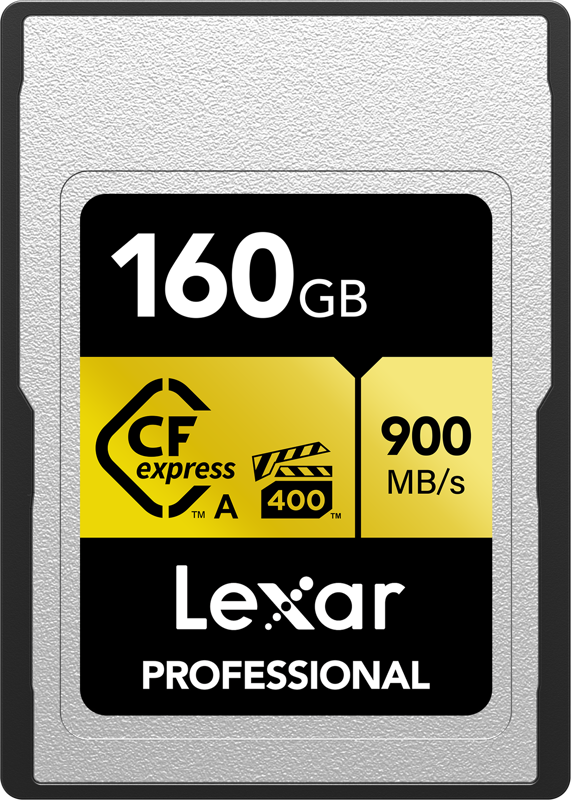
CFexpress cards are currently the fastest and most powerful memory cards on the market. There are two types of CFexpress cards: Type-A and Type-B. Between these, the physical size of the cards varies, as well as their speed. The latest Canon, Sony, Nikon and Panasonic professional cameras use CFexpress cards, making them a must-have if you want to benefit from all the features of your camera. Below are our most popular cards in this category.
In addition to the most common types of memory cards mentioned above, there are also CompactFlash and XQD memory cards. In principle, CompactFlash is a slightly older model, but many Nikon and Canon cameras still use this card. This card has a very reliable design, but newer cards have already overtaken it in speed. The XQD card is less common and is only used by newer Nikon and Panasonic cameras, the CFexpress Type B card is equivalent to the XQD card and with more recent updates is also available for cameras using the XQD card.
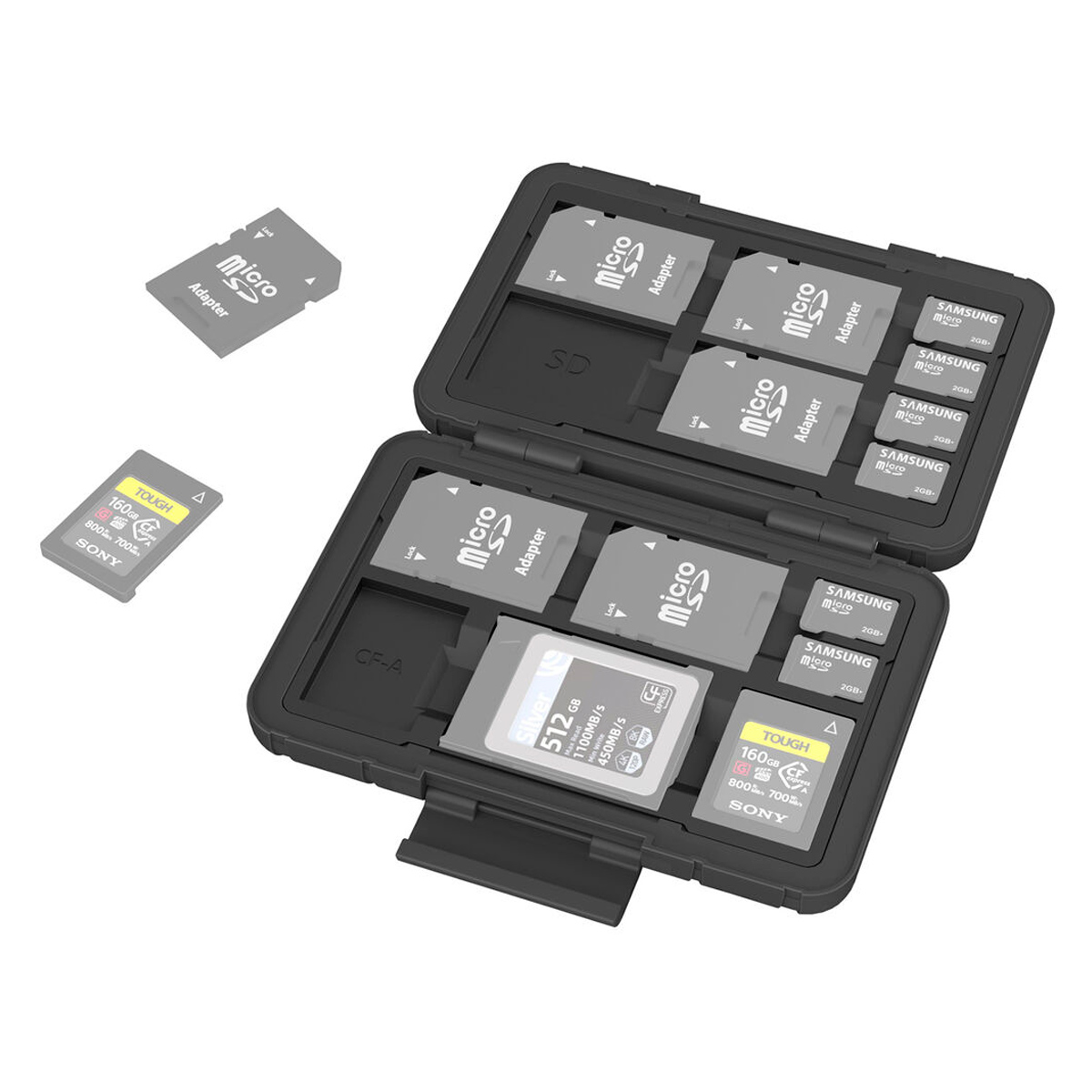
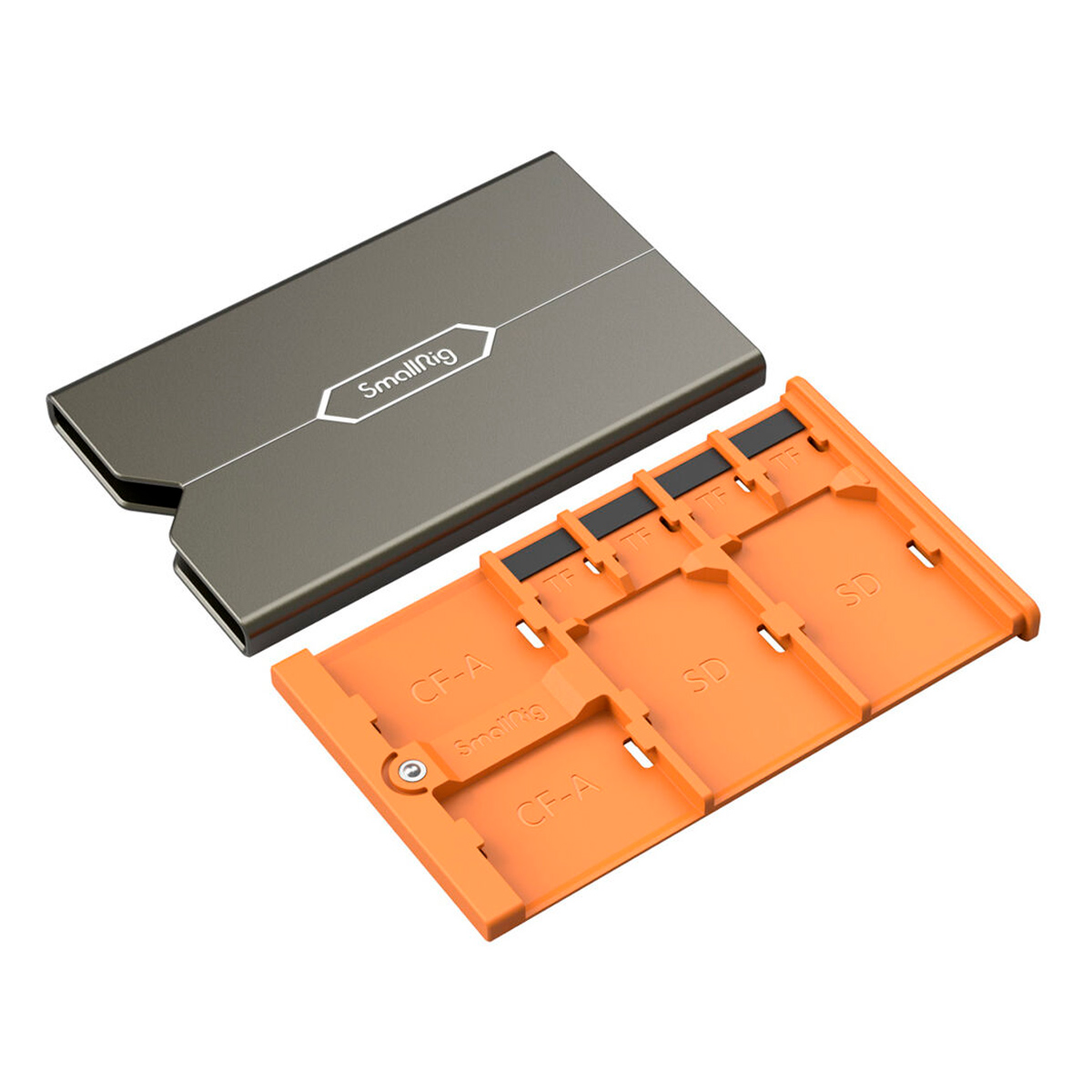
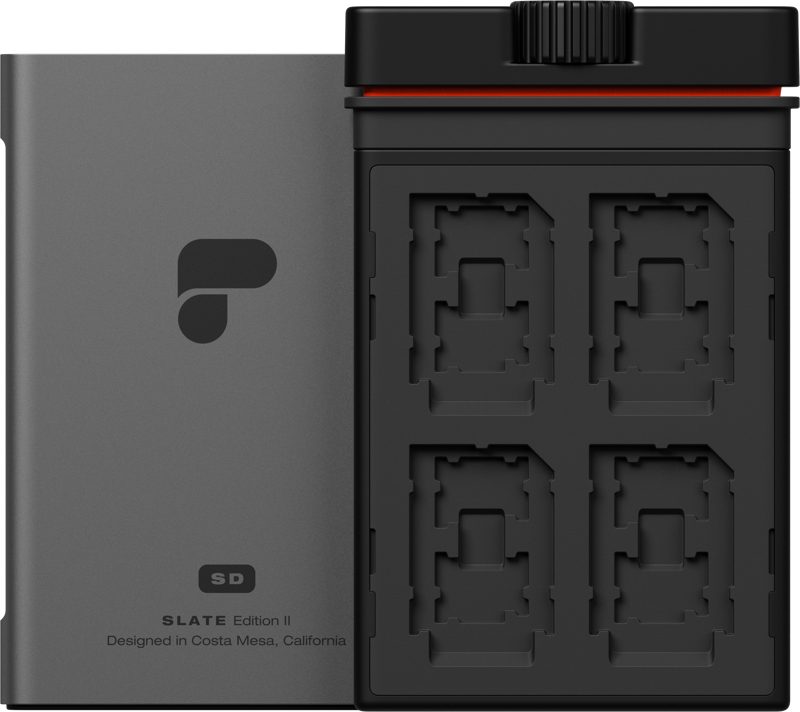
Proper storage of memory cards significantly extends their lifespan, thus reducing the risk of card breakage. Many camera backpacks and bags have separate pockets for storing cards, but there are also a number of completely separate memory card cases. A memory card case is the safest and most secure way to keep your cards safe, especially when they can easily run into hundreds of euros.
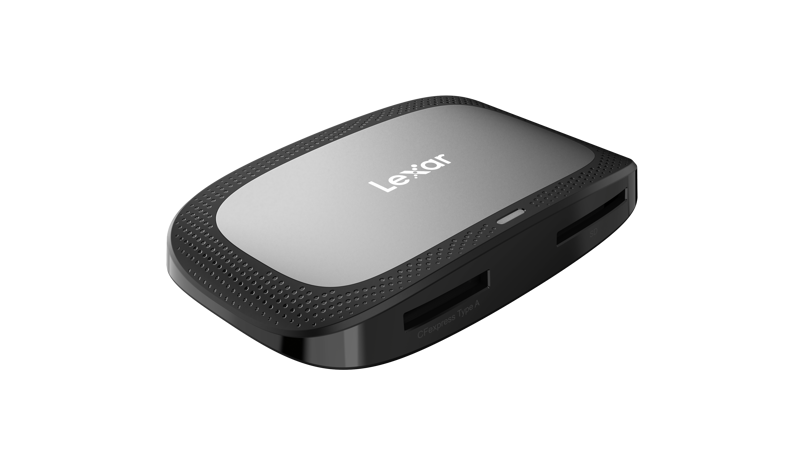
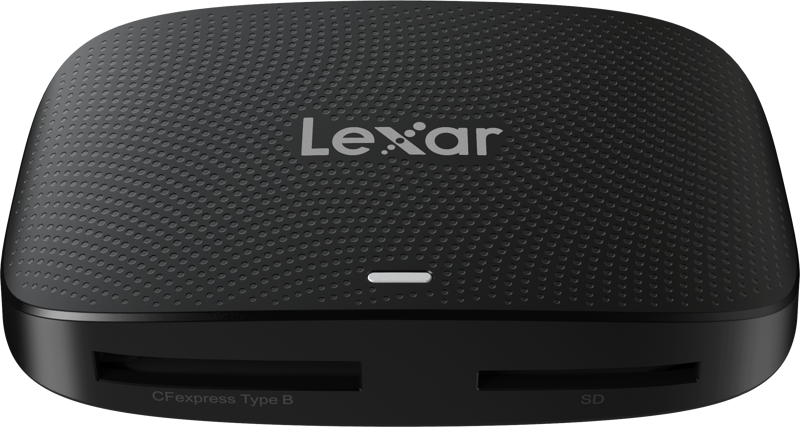
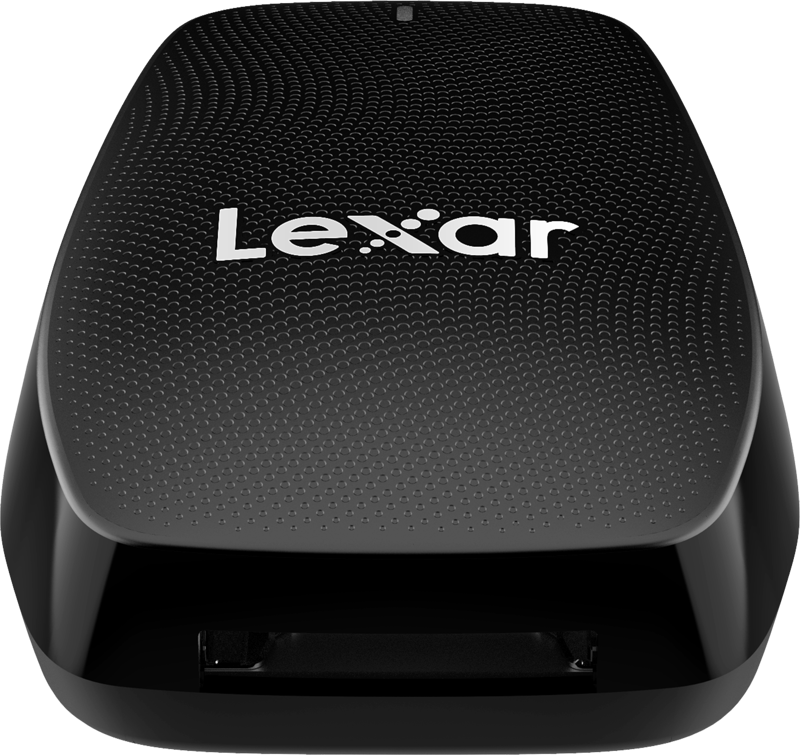
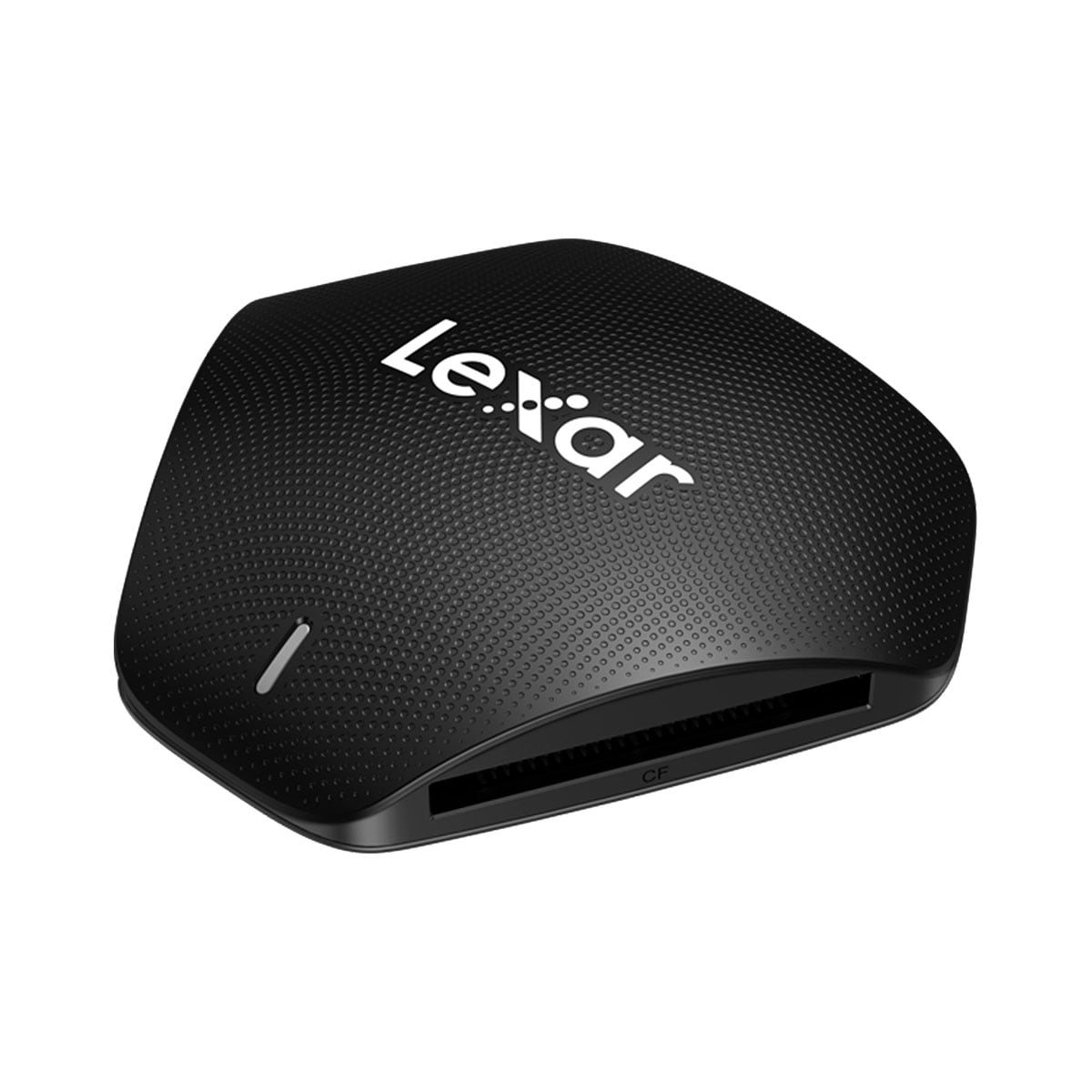
Another important part of using a memory card is transferring images so that they can be used. A memory card reader is by far the fastest and safest way to transfer images and therefore a very good investment for your hobby. There is a wide range of card readers available and their features vary, as do the features of memory cards. The most important thing is to find out if your memory card will fit in the slot of your card reader. The memory card reader is connected to the device to which you want to transfer the images via a USB cable. When buying a card reader, it is advisable to invest in a card reader with a USB 3.0 or 3.1 interface, which are capable of 5Gt/s and 10Gt/s transfer speeds. If you use a lot of different cards and your camera takes both CF and SD cards, for example, you should get a reader with multiple memory card slots.