Kysyttävää? Soita meille 05 - 375 3220
Free delivery for orders over 1000 € / 30 days Return policy

Subtotal: 2211.40 €
Kysyttävää? Soita meille 05 - 375 3220
Free delivery for orders over 1000 € / 30 days Return policy
We will go through the different types of filters for lenses and the purpose of their use.
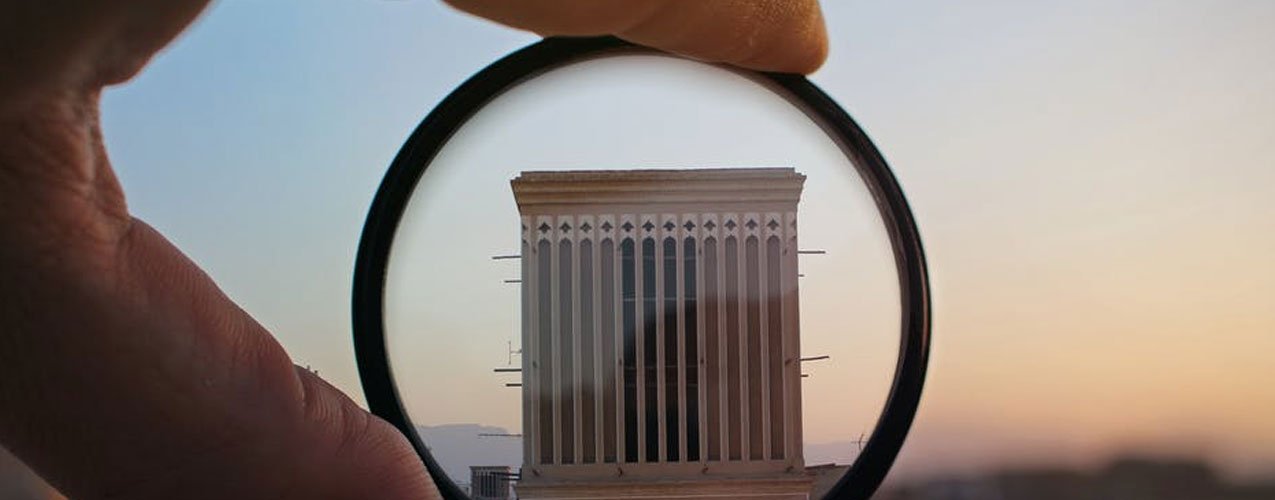
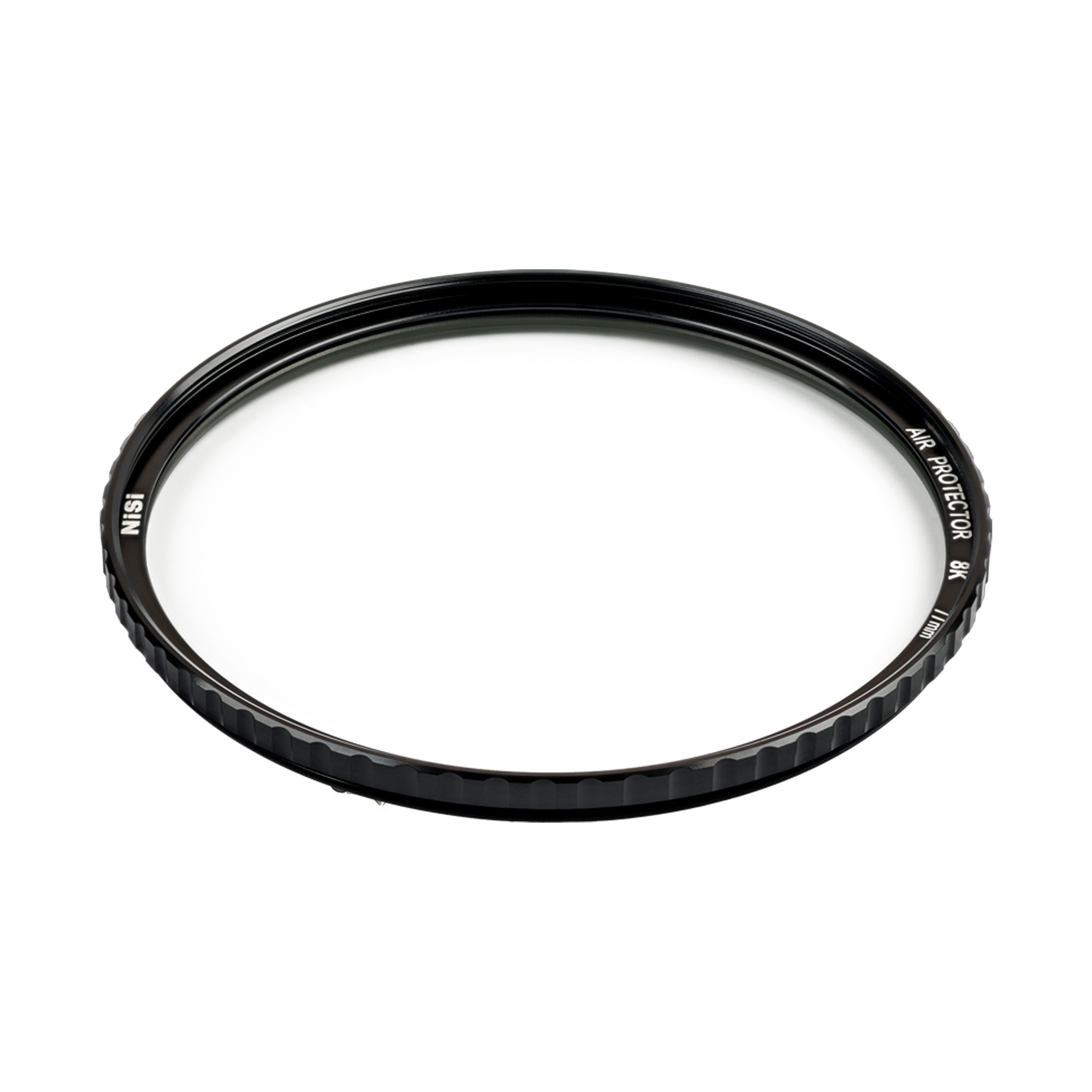
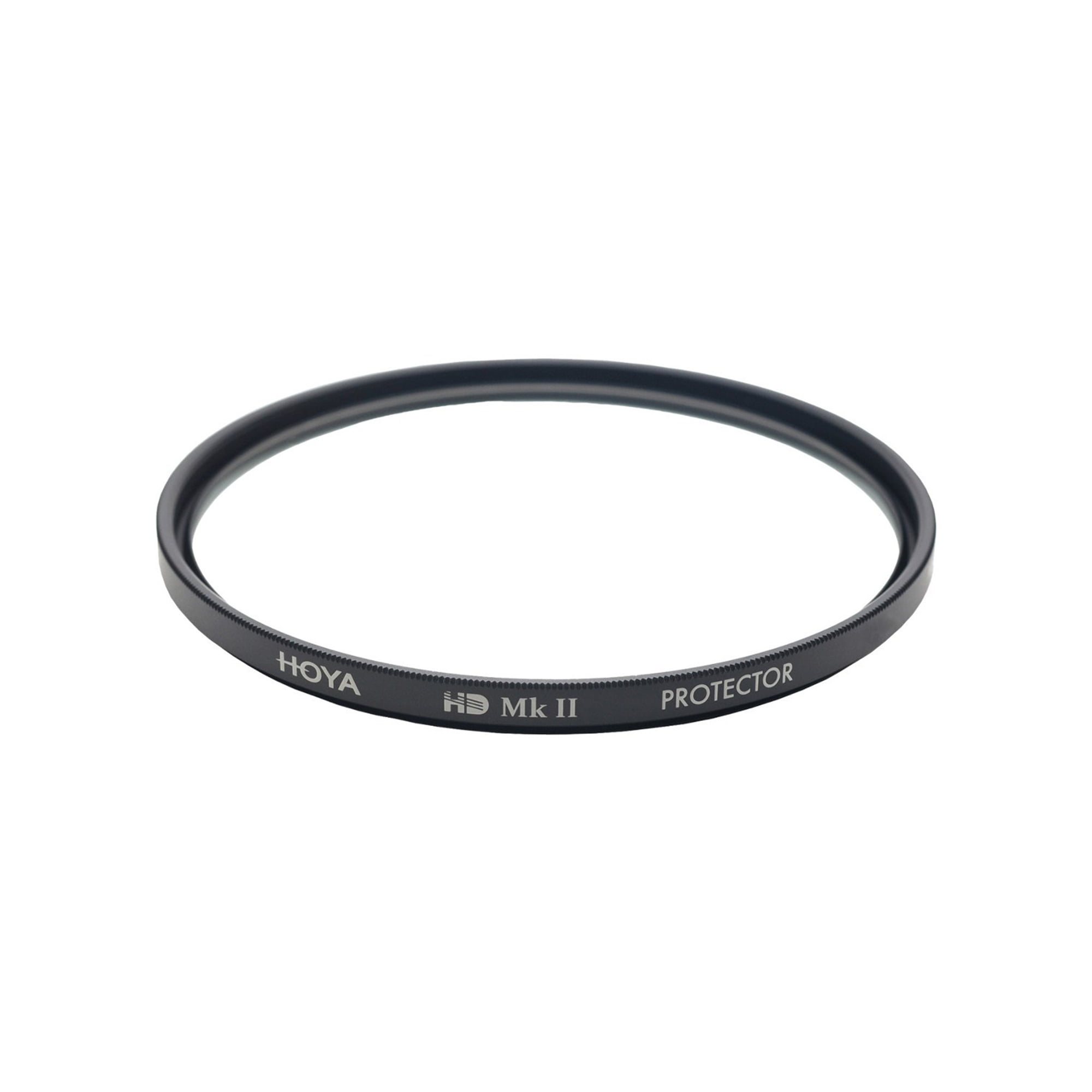
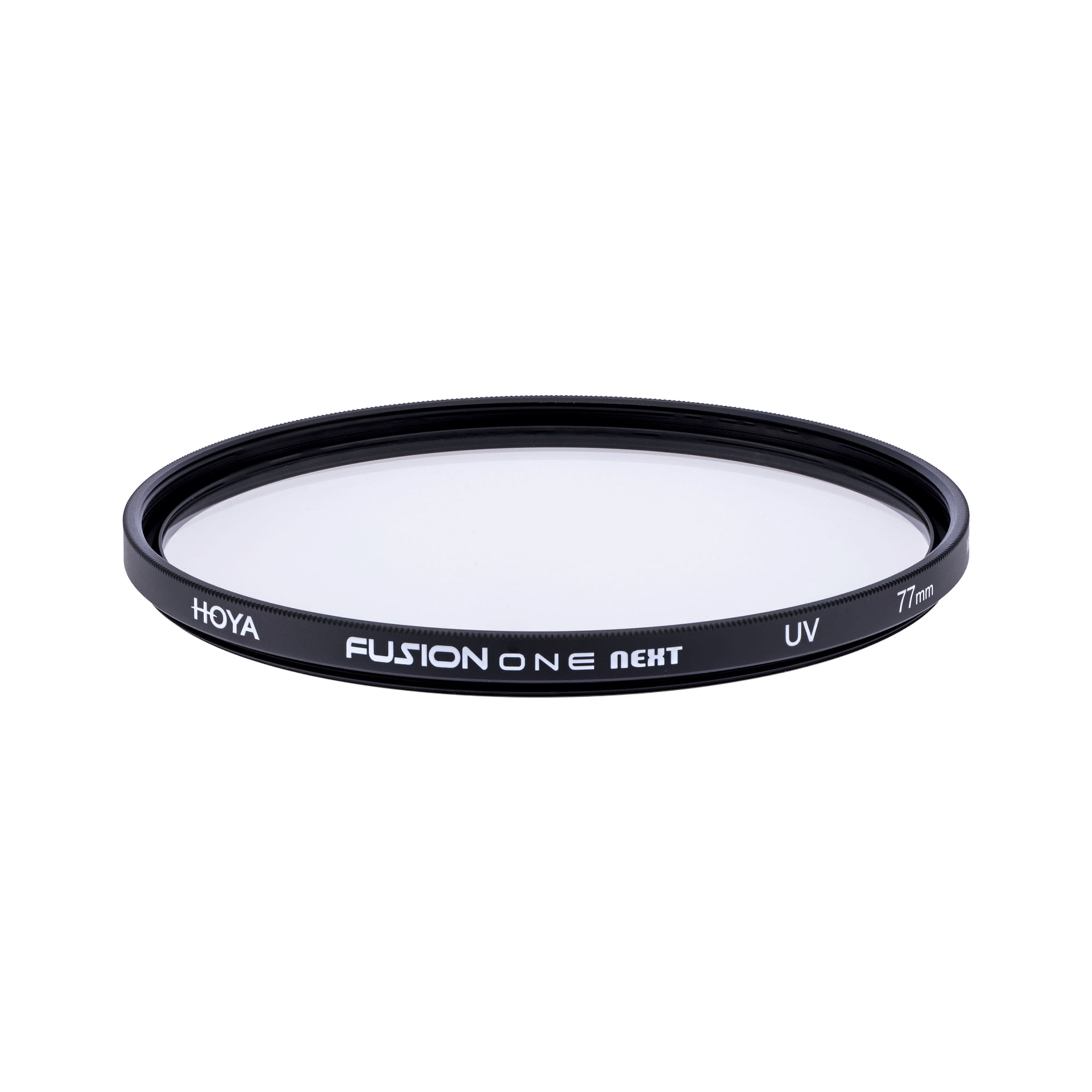
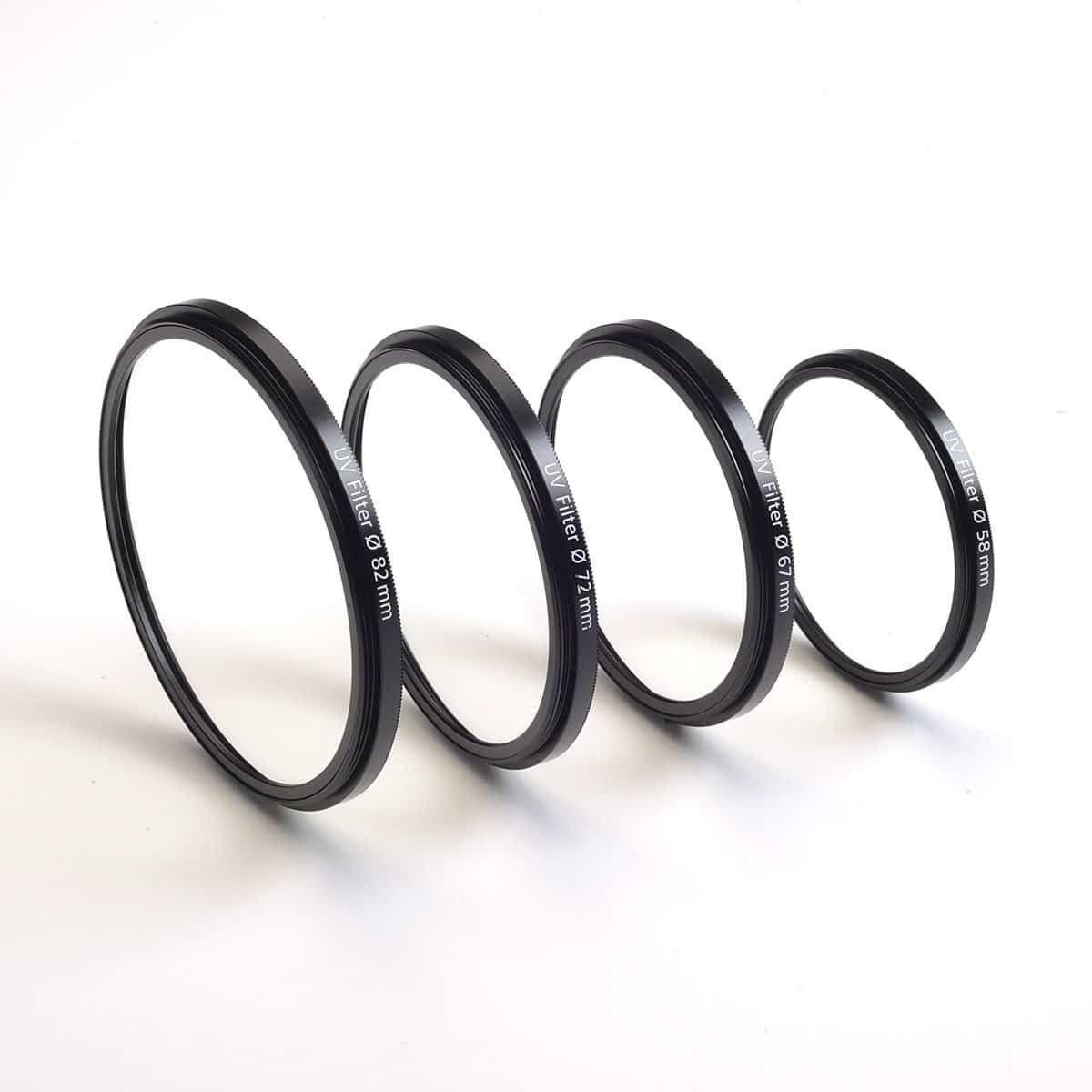
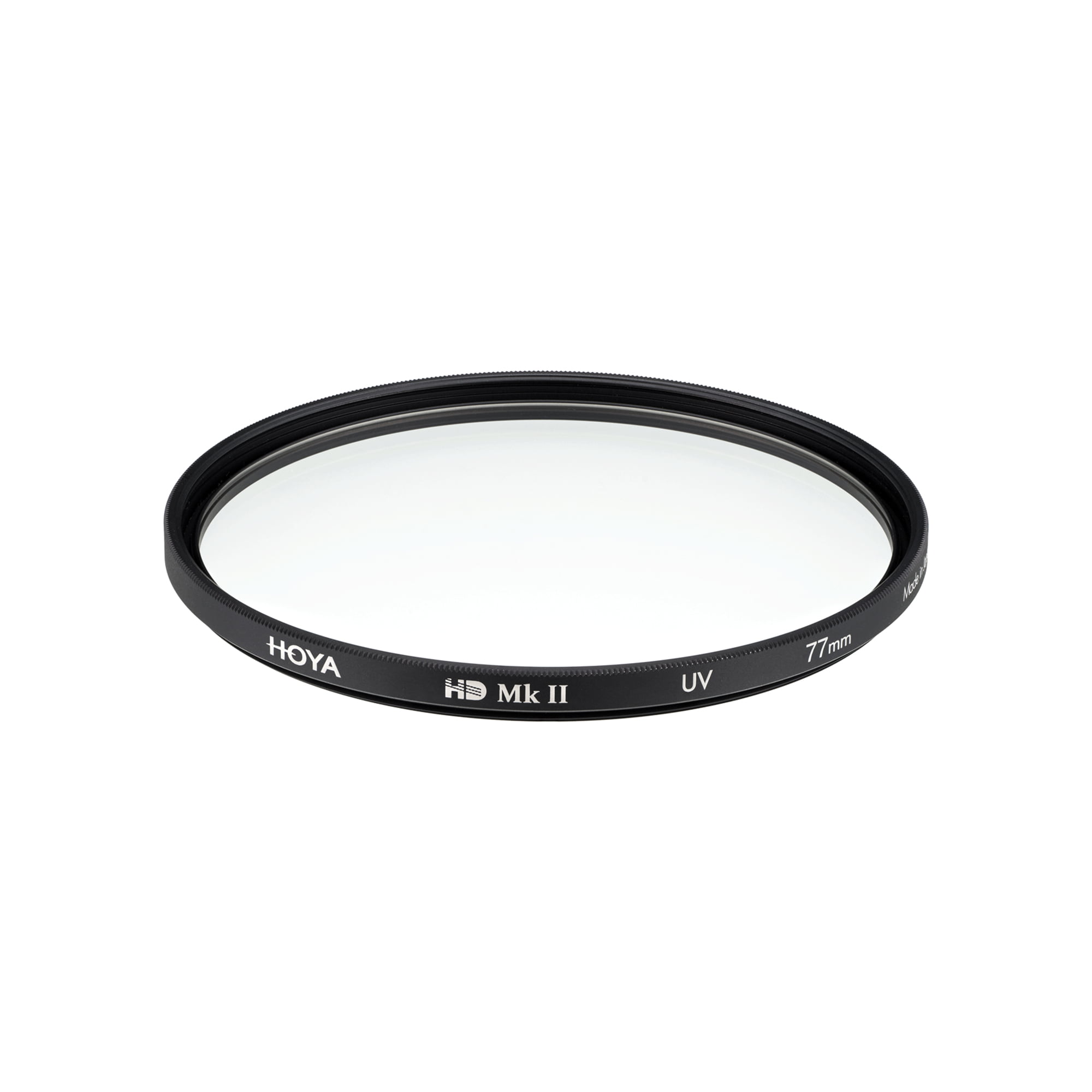
Do you wear a helmet when cycling?You should. Do you use a protective filter on the lens? The same answer applies here. There's always the chance that your clumsy fingers will drop the front element of the lens onto the ground. Lens repair can cost a fortune, Protector filters i.e. protective filters do not.
The protective filter keeps the front element of your lens protected not only from scratches but also from dust and dirt. You'll also feel safer in the field, as you can safely clean the biggest debris from the filter surface without damaging the lens itself. The right conditions and cleaning equipment are not always available for cleaning the front element of the lens. To clean lens surfaces, it is advisable to use products designed for this purpose.
High-quality filters are bright and tint-free, so there is very little or no impact on image quality. However, there are different types of filters available, from slightly more durable HD models to a range of dust and dirt repellent filters with anti-static coatings.
However, poor condition and poor quality filters can have a detrimental effect on image quality, especially when shooting backlit, with more lens flare (light reflections). Cheaper filters can also affect image quality in other ways, such as increasing chromatic aberration (colour fringing)
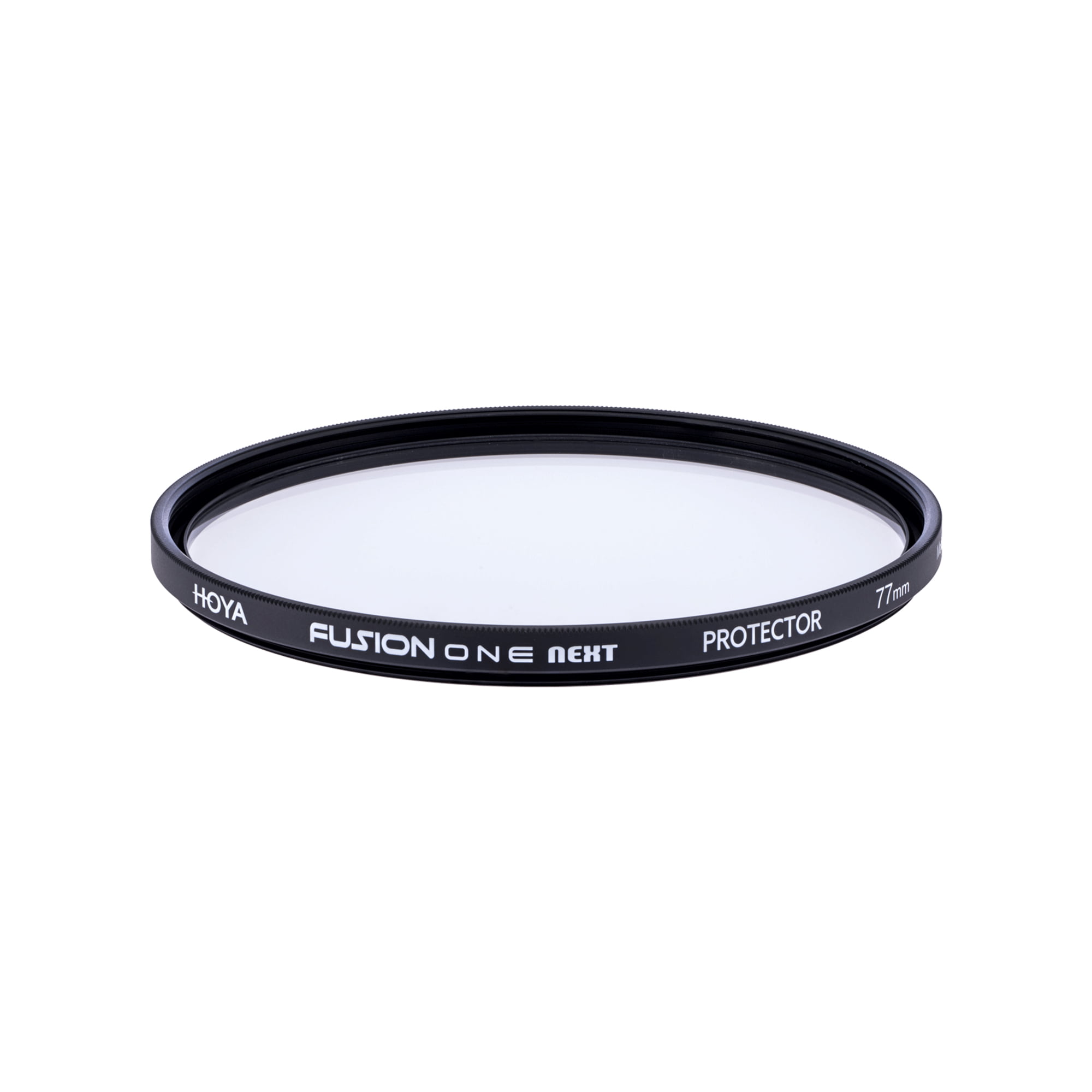
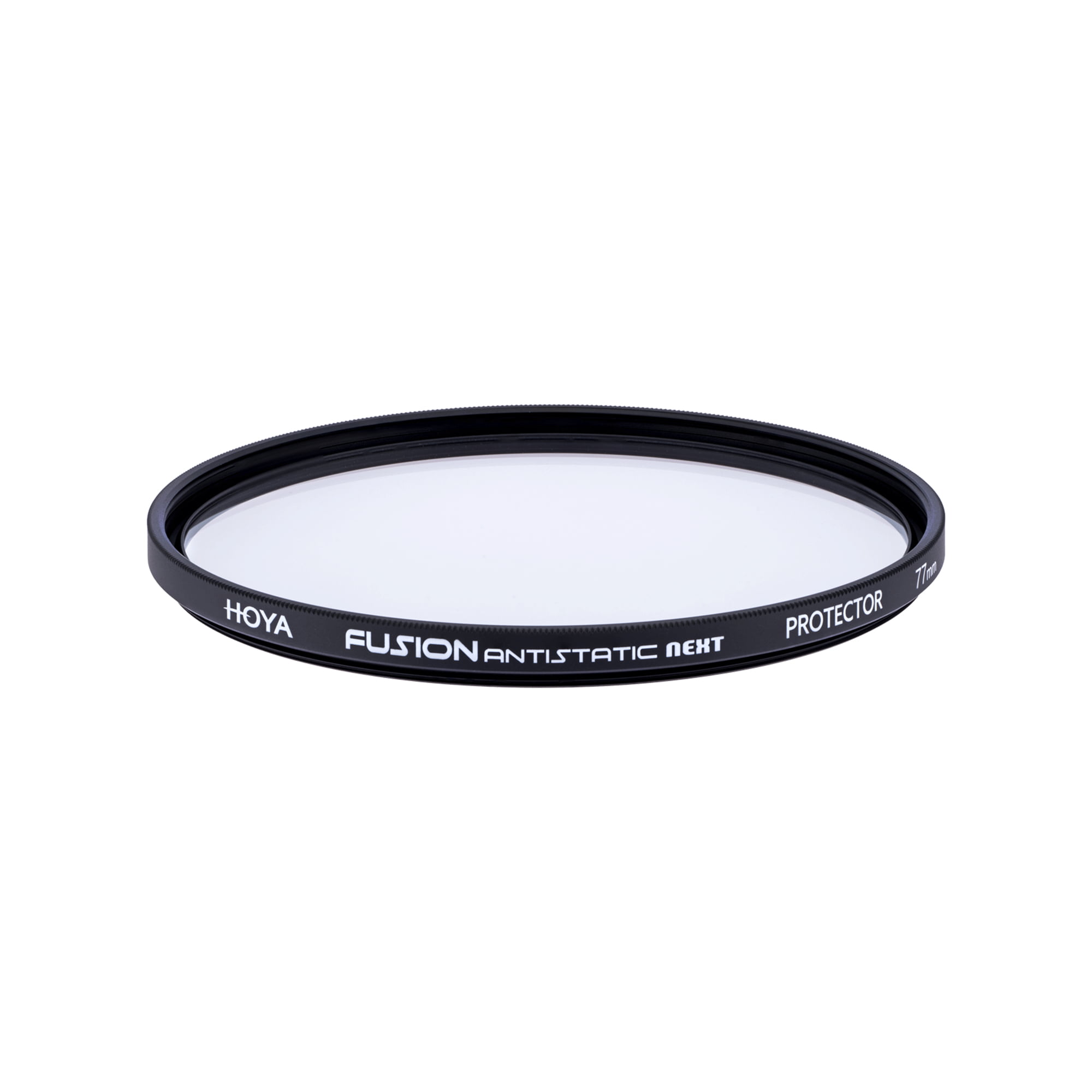
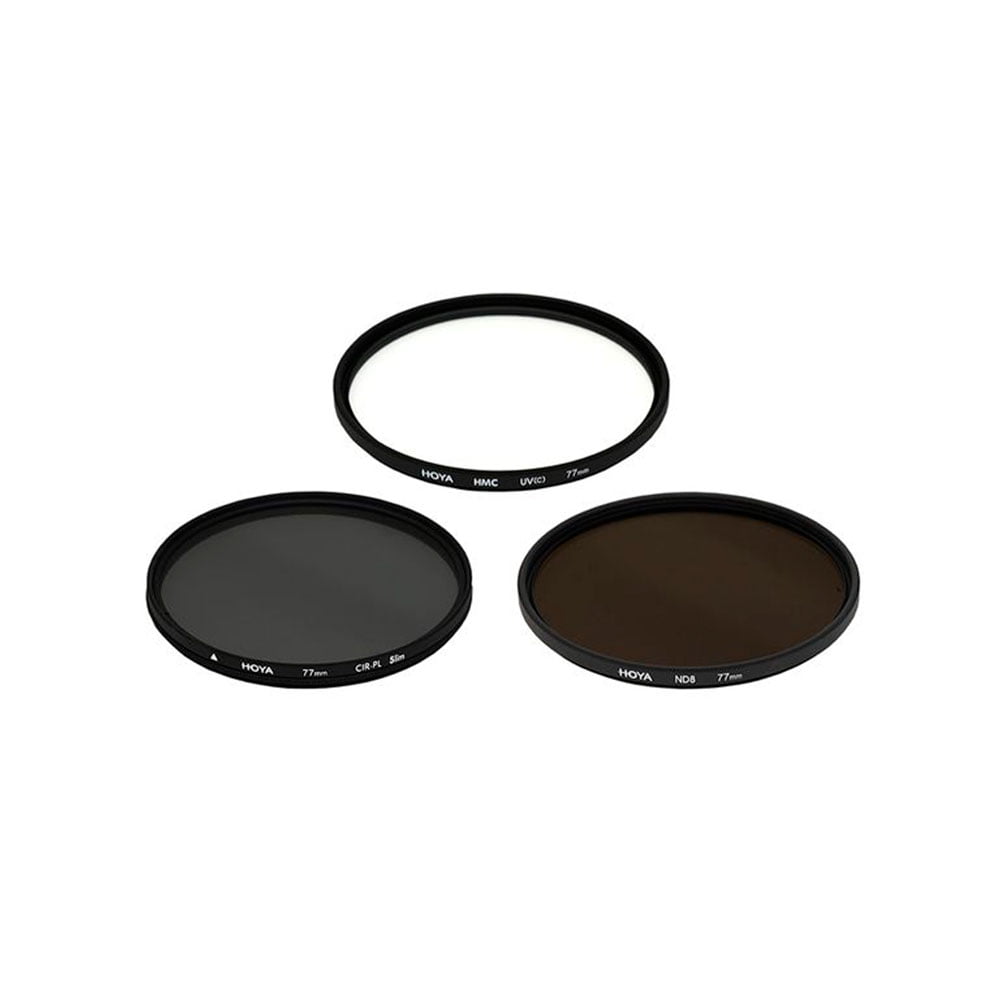
Alongside the protective filter are the so-called UV filters. As a rule, a UV filter is a protective filter. A filter designed to filter ultraviolet light dates back to the days of film. In the film era, UV light used to damage film. Today, due to modern technology, the effect is practically non-existent.
In summary, a UV filter is very useful to protect the lens from dust, dirt and scratches.
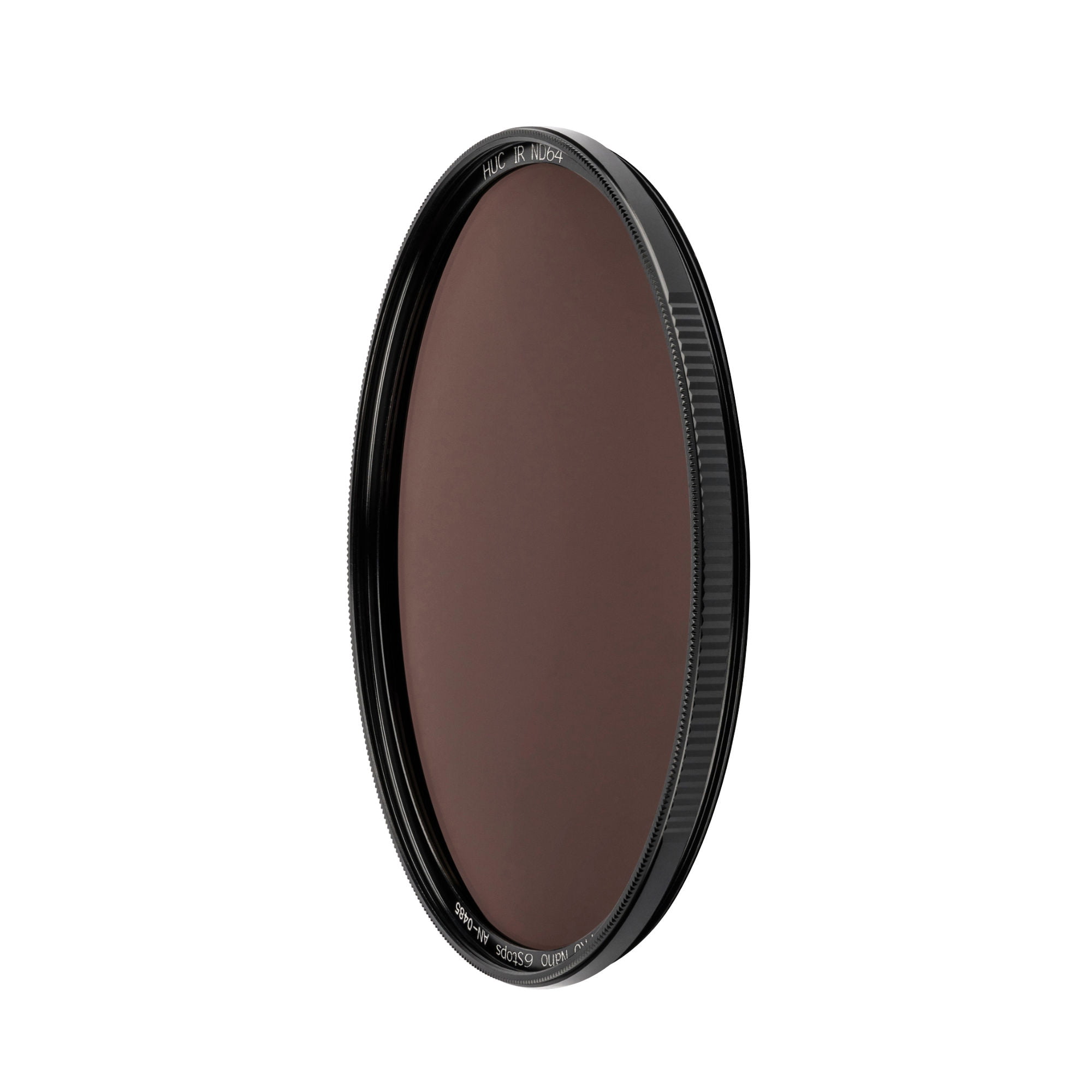
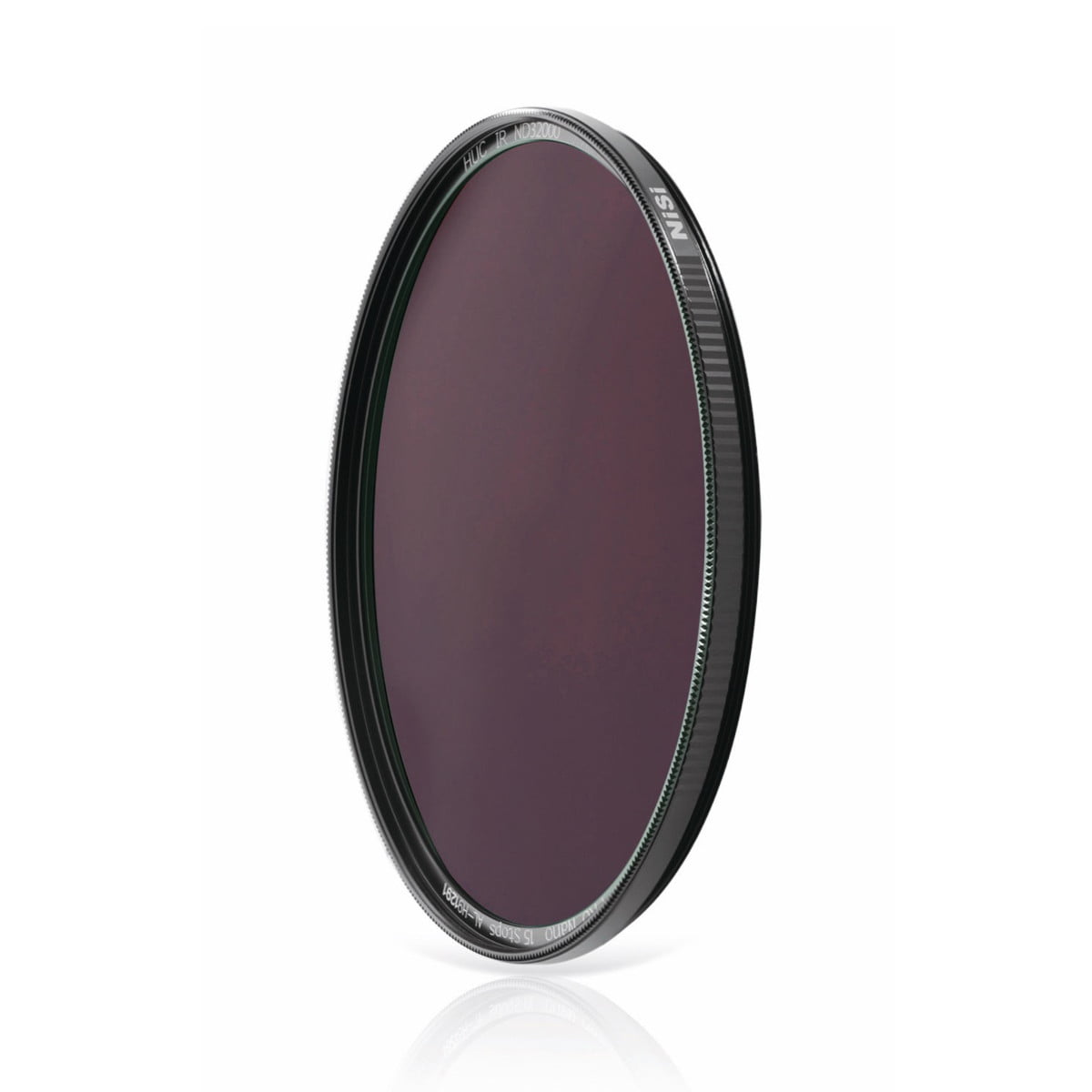
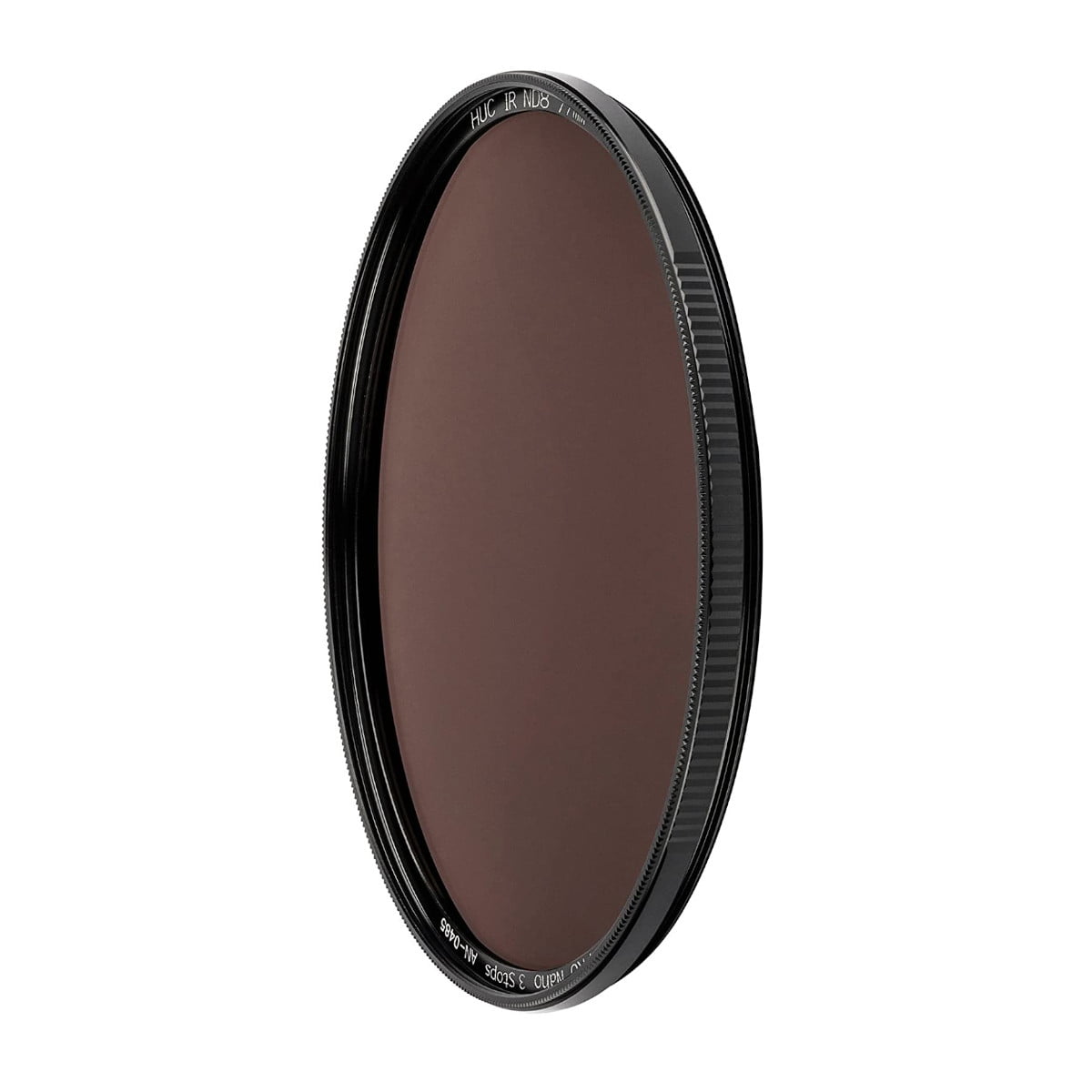
Too much light, it can happen. The purpose of a grey filter is to reduce the amount of light entering the cell. When the ND number doubles, half of the light is lost to the filter, i.e. one stop. The number can also be seen as 1/2, 1/4, 1/8 of the amount of light.
ND2 (1stop) - ND4 (2stops) - ND8 (3 stops) - ND16 (4 stops) - ND32 (5stops) - ND64 (6 stops) - ND1000 (10stops) - ND32000 (15stops)
Grayscale filters can be used in photography in many ways. The most common use is to extend the exposure time. For example, in nature photography when you want to soften the movement of water. A grey filter can also be used in light painting to extend the shutter speed.
Potrette photographers can also use a grey filter. The use of a gray filter allows you to use a large aperture, for example in sunny conditions. With powerful flashes, a grayscale filter can be used when you want to overcome bright natural light and the flash system does not have the HSS high speed sync feature.
For the videographer, a grayscale filter is almost an essential companion when shooting in bright sunlight and wanting a narrow depth of field and to keep to natural shutter speeds.
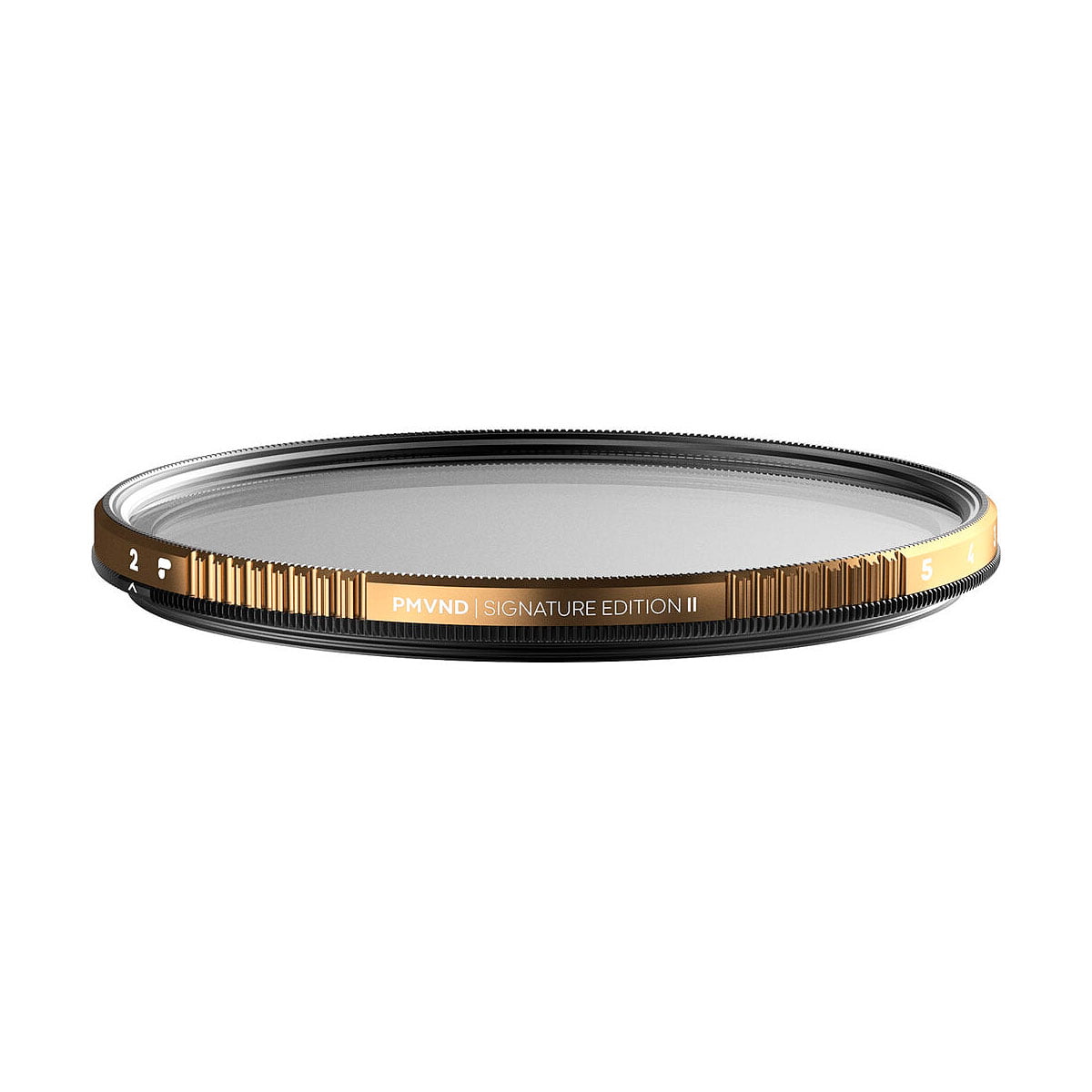
Maybe not a best friend, but a good friend, literally. The adjustable grey filter is a very good tool for the videographer. Outdoors, conditions and light levels are constantly changing. Video shooting generally revolves around the 180 degree rule and an adjustable grayscale filter allows you to react quickly to changing exposure conditions without changing camera settings. A colour profile is also often used when shooting video, which raises the lowest possible ISO value upwards. This means that the sensor captures one to three stops more light than when shooting at the lowest ISO value. Depending on the camera.
Adjustable grey filters are also available in different types. The most popular are the Signature and Mist series, co-created by PolarPro and popular tuba player Peter McKinnon. The strengths of the adjustable grays are marked by stops based on ND values. PolarPro filter strengths go from 2-5 and 6-9 stops. PolarPro's Peter McKinnon Mist is a version with a mist effect that makes the lights have a nice bloom and softens skin details.
Nis also has a very high quality True Color ND-Vario series, which is very good in terms of colour reproduction. The True Color series from Nis has a strength of 1-5 stops.
Of course, an adjustable ND filter is also suitable for photography, but individual ND filters are a cheaper solution and give you more leeway in terms of camera settings.
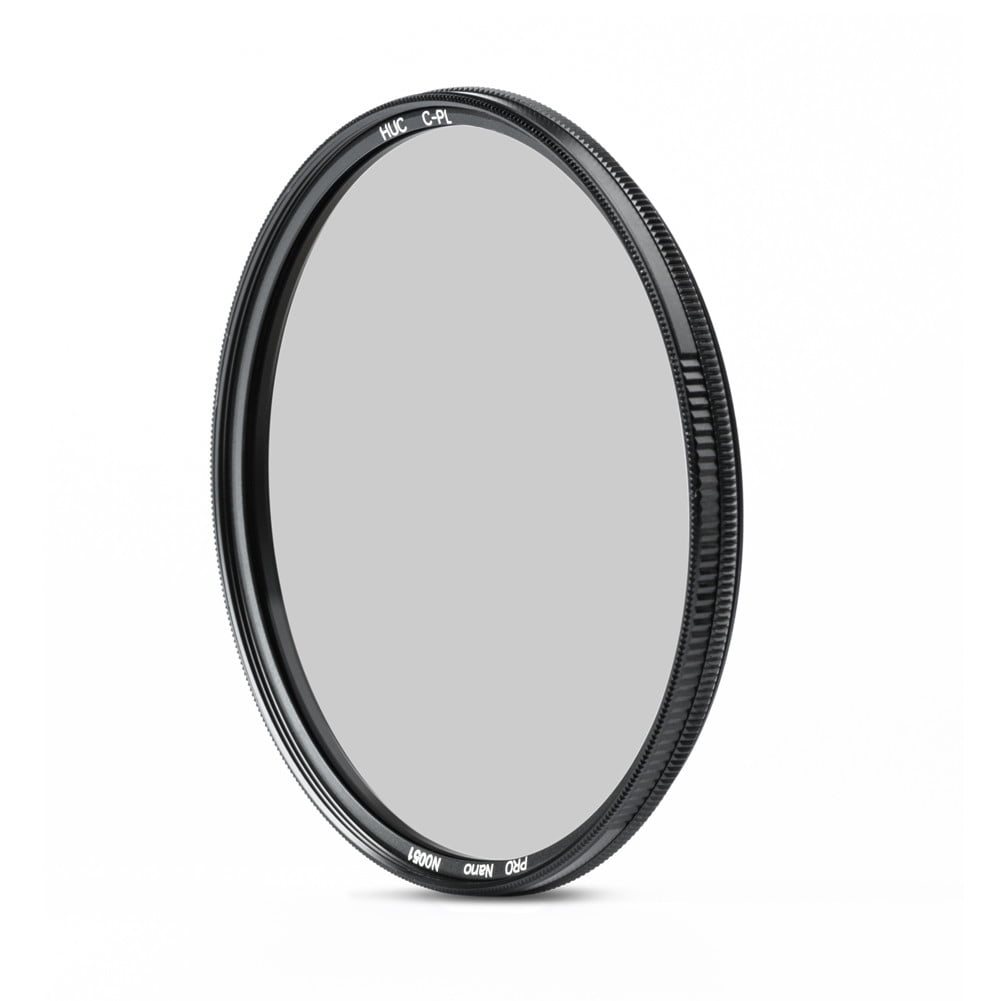
A spin polarisation filter reduces reflections and glare in images, for example from water and windows. It filters out the sun's polarising light reflecting off a non-metallic surface. It also enhances the colours of the sky and vegetation. So it's safe to say that this would be a good item to have in the camera bag of many nature and landscape photographers. The circular polarisation filter is rotatable, allowing you to control the effective power of the effect.
The NiSi Filter Vari Orange/Blue CPL circular polarising filter enhances orange or blue tones. The filter is like a normal circular polarising filter, but it enhances the orange and blue tones, which can be useful when shooting sunsets, for example. If the image is yellowish, this filter can be used to make it more “blue”, making the colours of the image look more realistic.
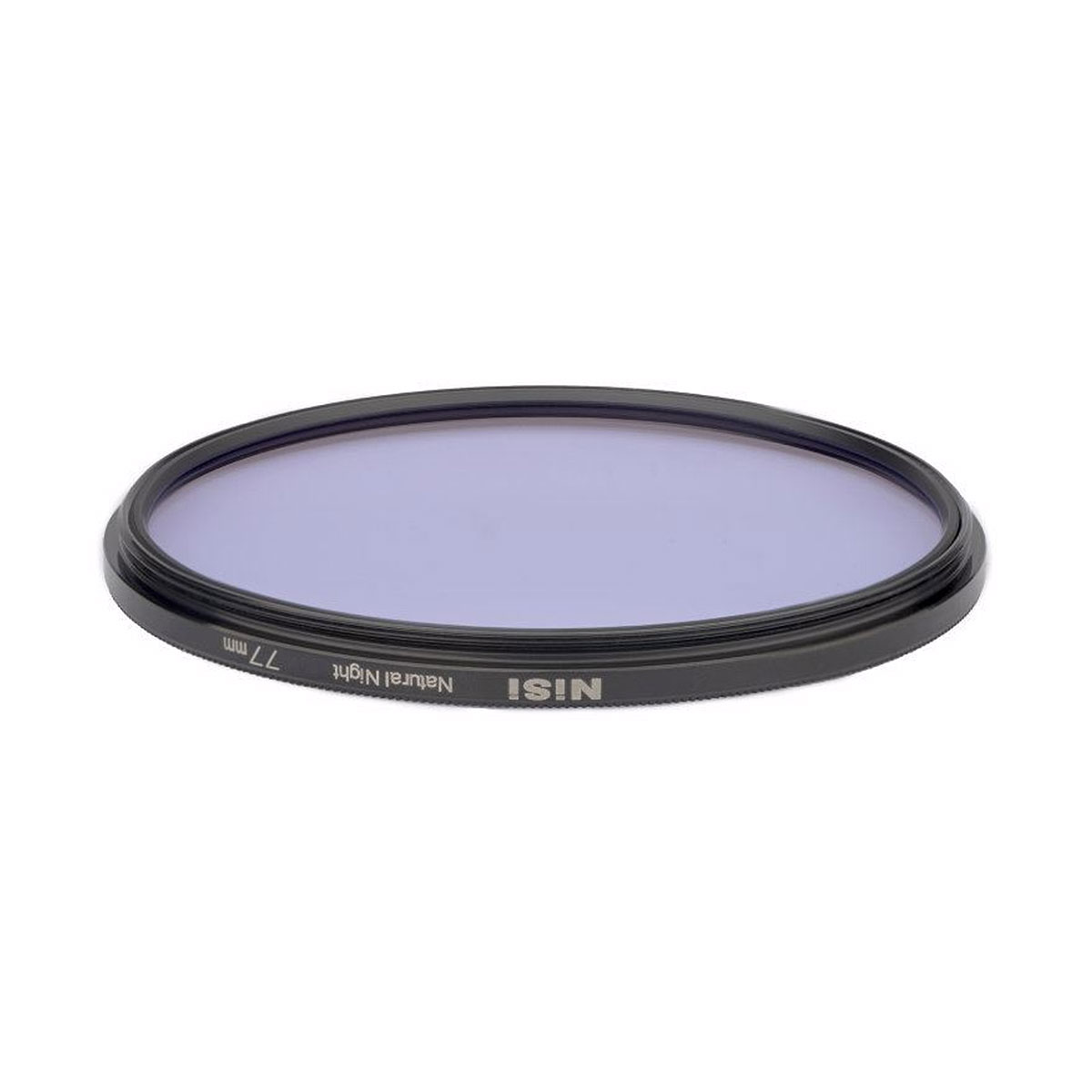
Night landscape photography is hampered by light pollution from many different light sources, including mercury, multi-metal, sodium and LED street lights. The glow from these light sources prevents the camera from capturing the night landscape. The NiSi Natural Night filter is designed to filter out the most common wavelengths that cause light pollution. This filter is designed for urban night and landscape photography. Nisin Natural Night drops the amount of light by about half a stop.
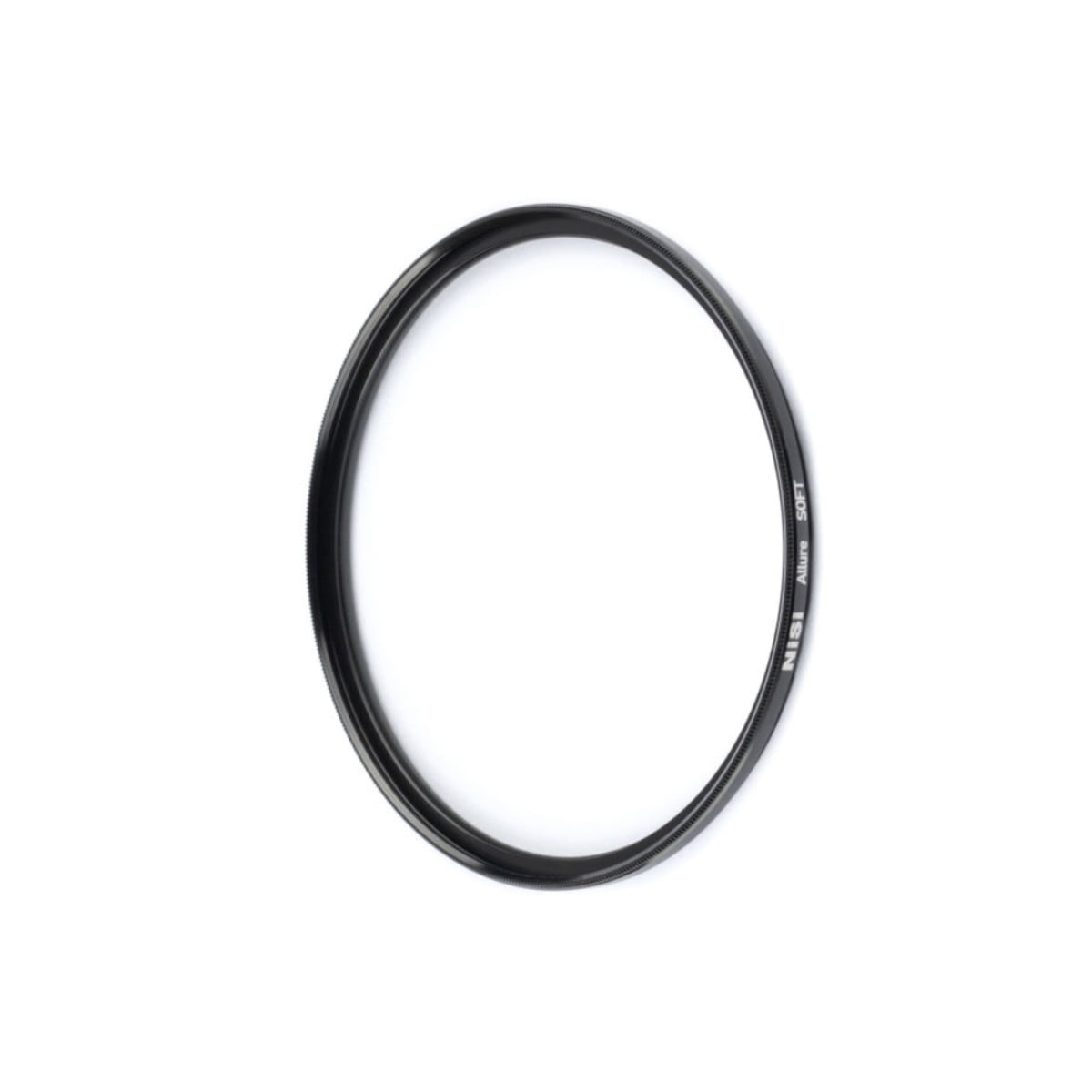
The NiSi Alure Soft filter diffuses and softens bright light entering the lens and diffuses the glowing effect. This makes the image look softer without sacrificing sharpness. The filter makes use of tiny particles to diffuse the light and spread it evenly. The filter comes into its own especially in portrait photography, where the filter can hide “imperfections” in the skin and face.
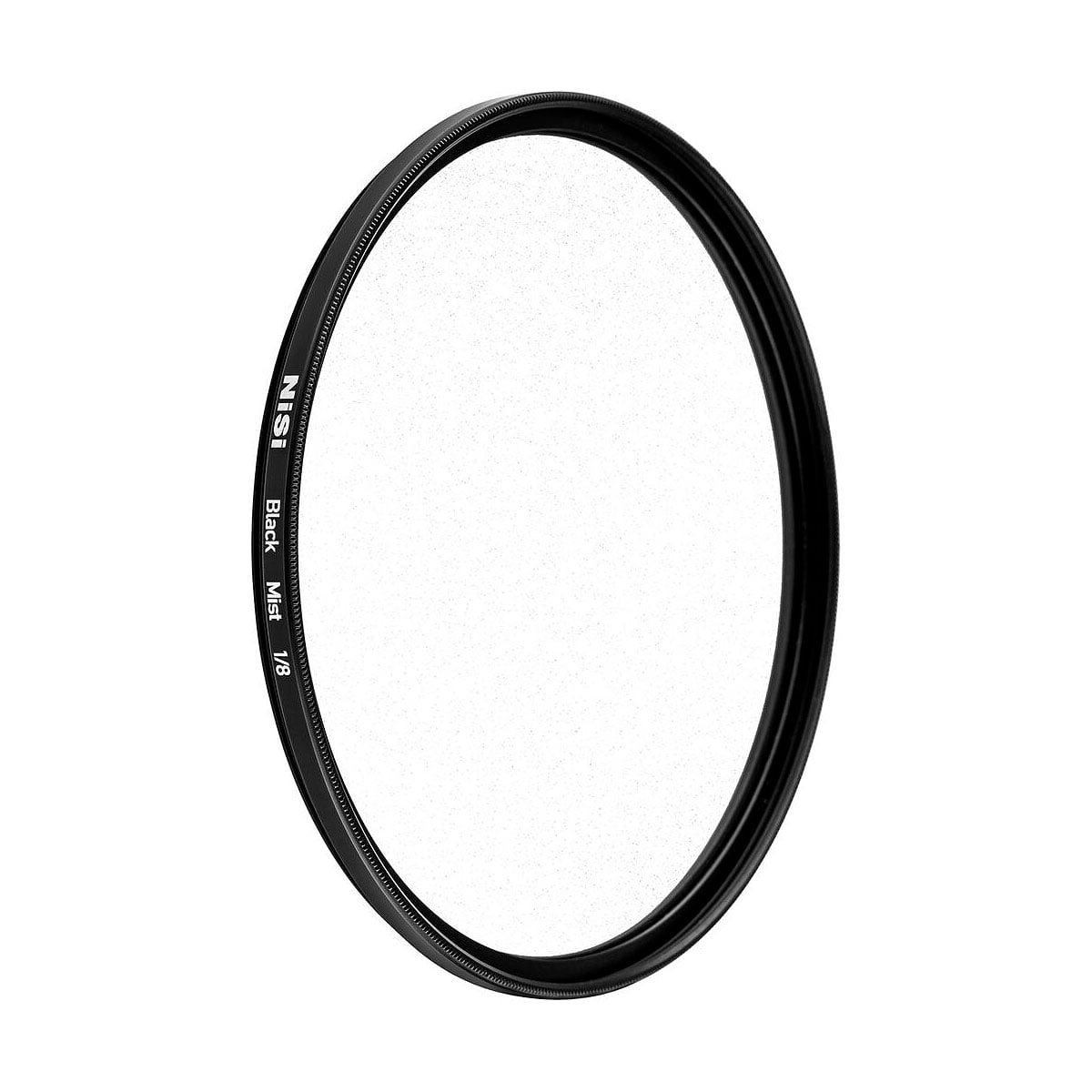
Black mist reduces contrast by diffusing highlights and enhancing shadows, creating a balance of tones. The filter creates a cinematic feel and softens wrinkles and skin imperfections. The effect is at its best when shot backlit, creating a lovely transparent bloome that's close to the feel of old-fashioned quality lenses.
Although both descriptions sound the same, the end result is different. Allure Soft is more hazy while black mist spreads a glowing effect just from the light source. Black Mist and Mist filters create a cinematic look and are therefore more popular.


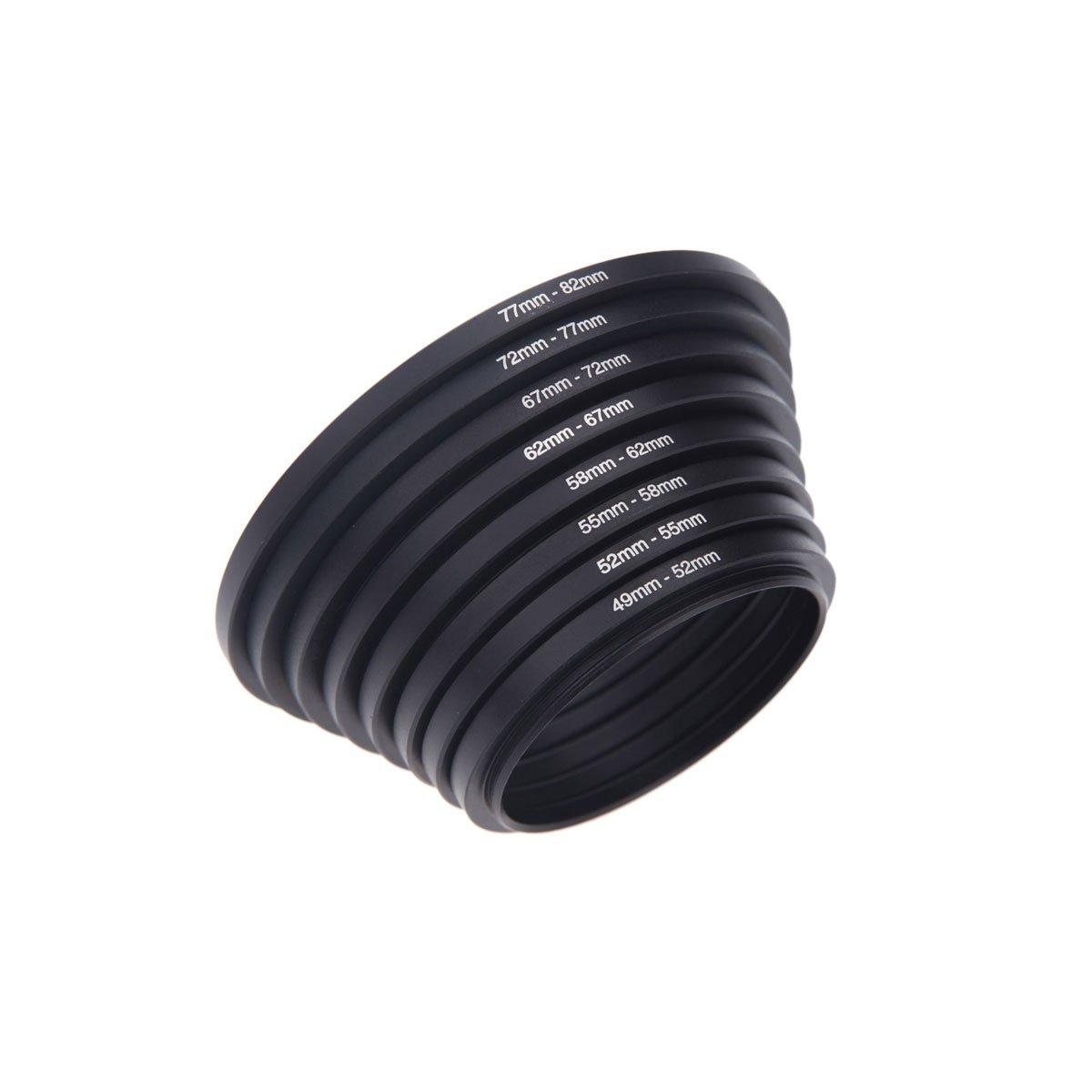
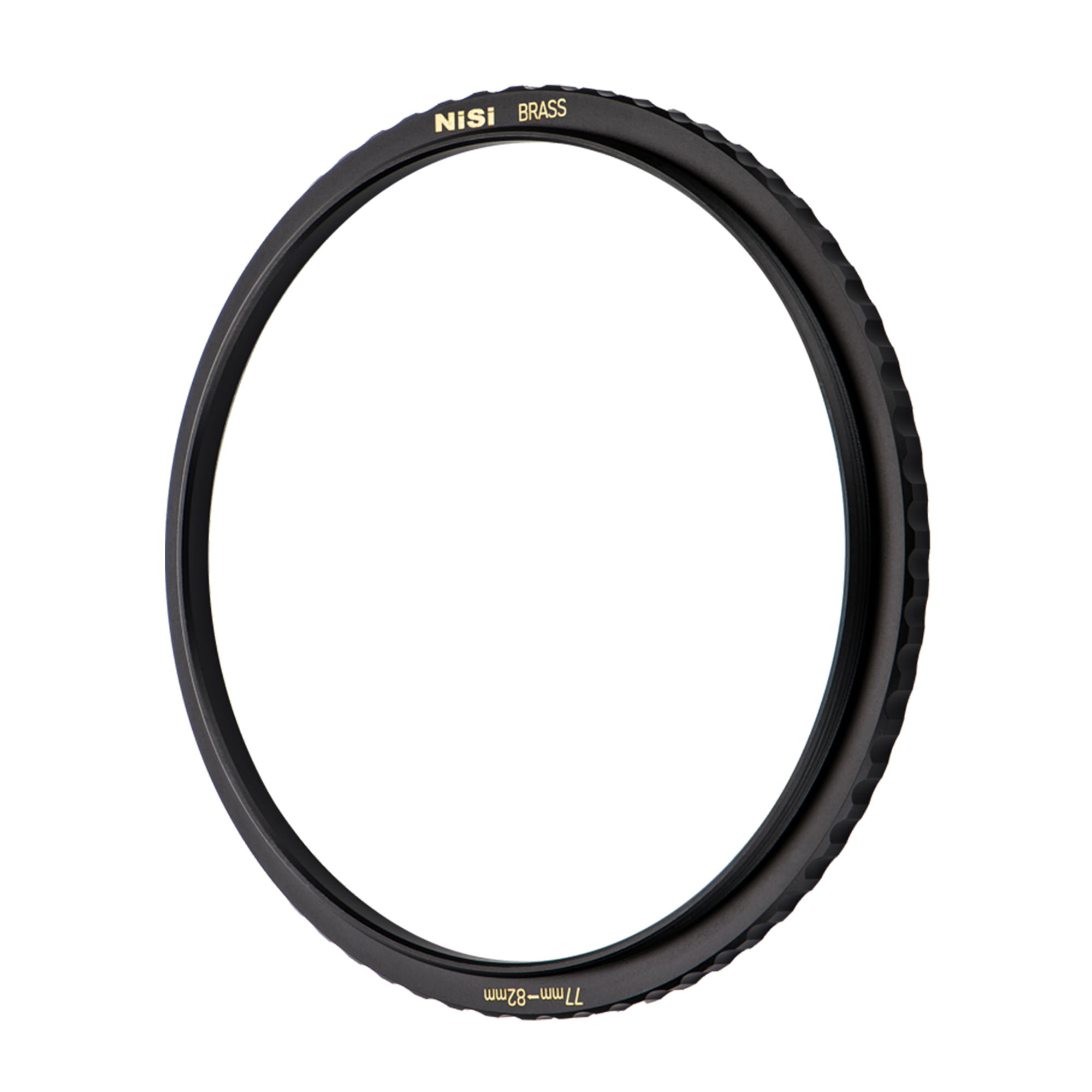
With the helical rings, you can use a larger filter than the filter thread of the lens. This means you don't need to buy a variable-ND, CPL or even a Natural night filter for every lens. Save money and buy a grey filter adjustable to the largest filter thread and change rings to suit your other lenses.
Not all wide-angle lenses have a filter thread. At the widest focal lengths, the front element of the lens is convex which prevents the use of filters. In this case, the plate filters and their adaptors enter the picture. The adaptors are often lens-specific.
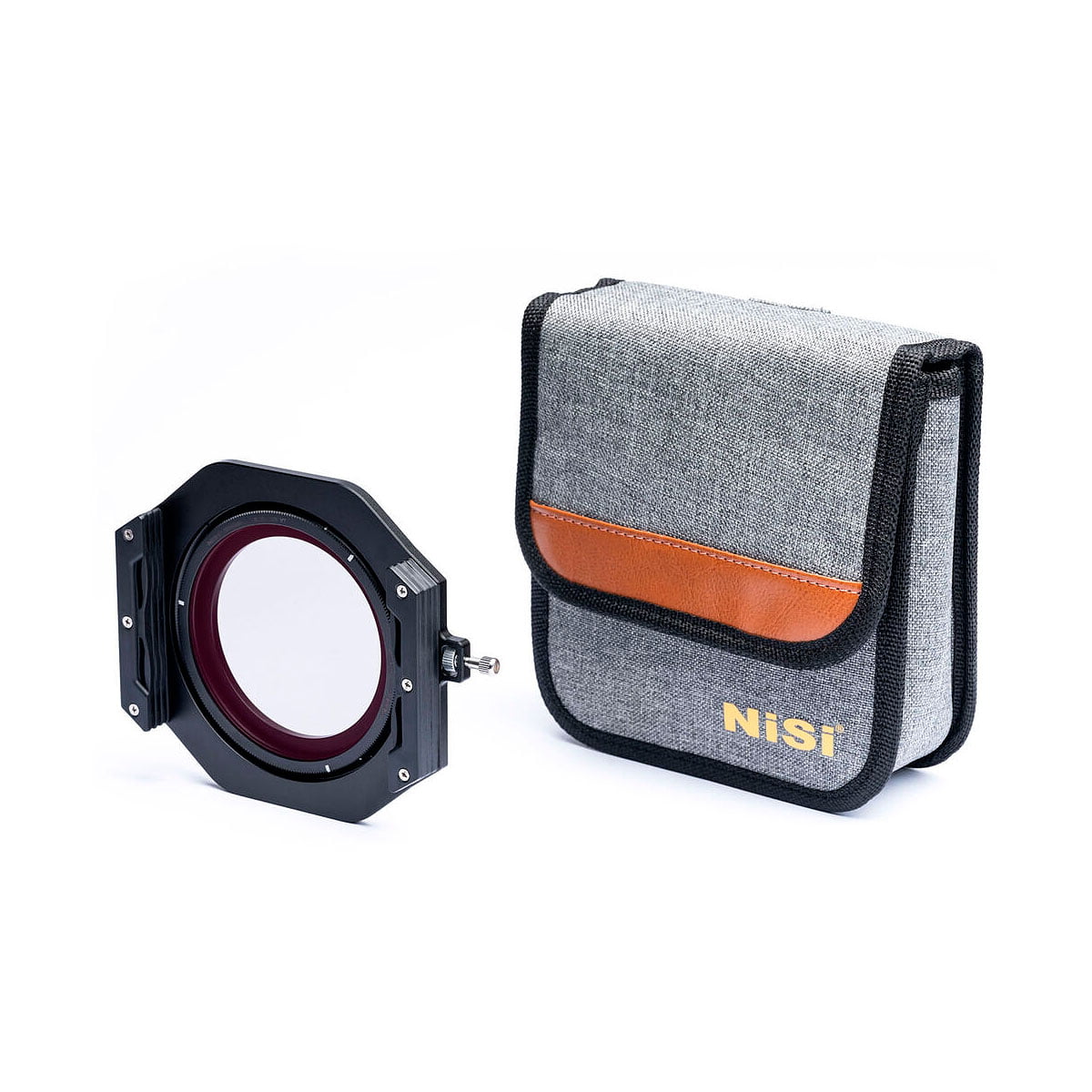
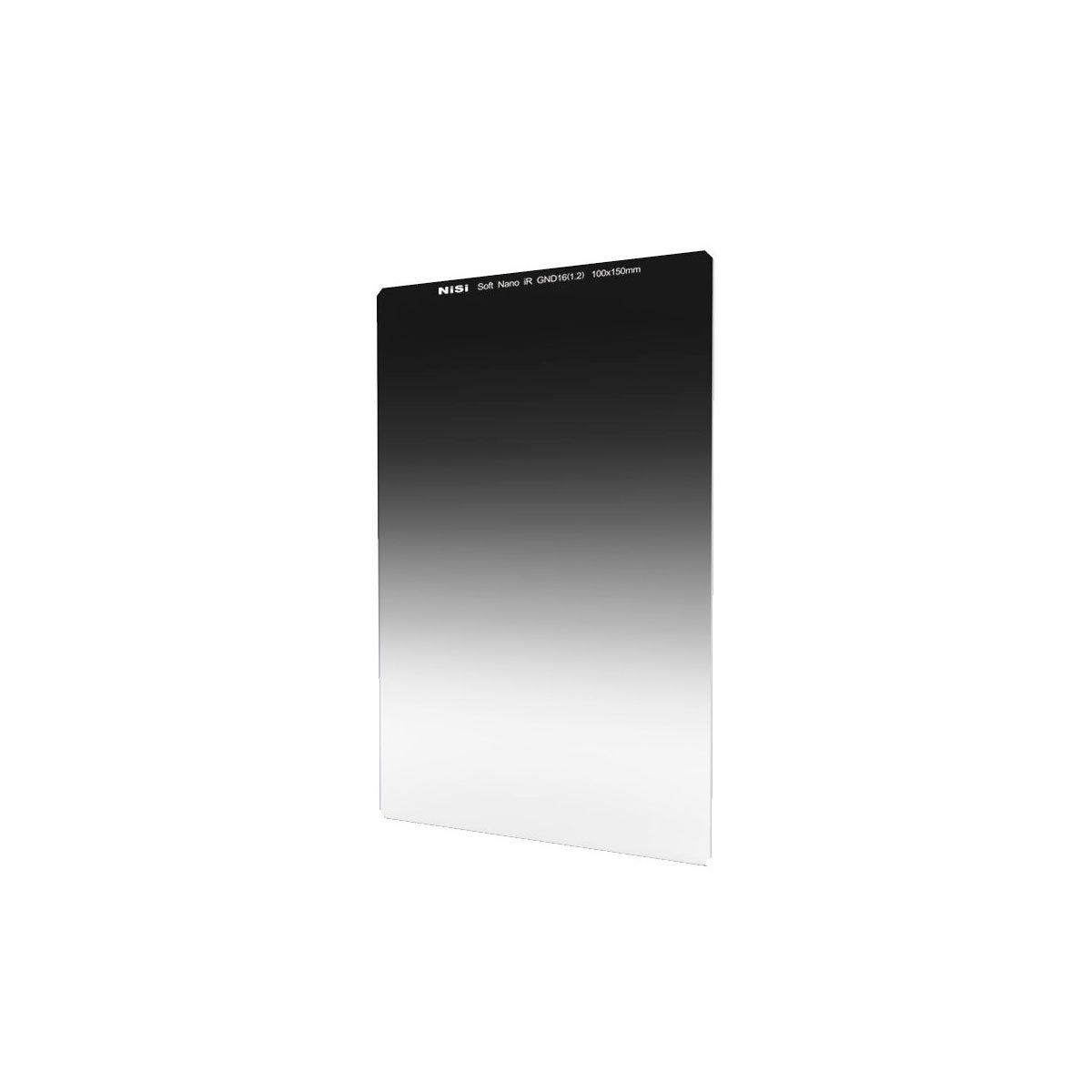
Disc filters are also available for lenses with filter threads, for example with the Nisi Filter Holder Kit V7 (filter thread 67, 72, 77 and 82). The use of disc filters allows the use of gradient flat filters to darken the sky in landscape images, for example, for better dynamics. Gradient filter discs are half clear and half grey filter discs with a sliding level. The Filter Holder pivots around the lens barrel, allowing the gradient filter to be rotated according to the subject and the need. Up to three filter discs and a circular polarization ring can be inserted simultaneously in the V7 kit.